Nairobi National Park
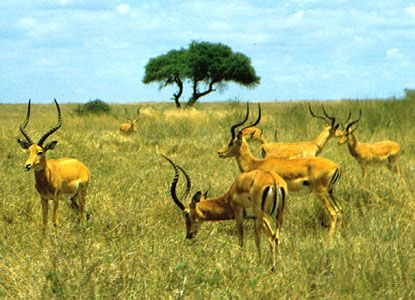
Nairobi National Park is located in south-central Kenya, situated just 5 miles (8 km) south of the capital city, Nairobi.
Where is Nairobi National Park located and how large is it?
Nairobi National Park is located in south-central Kenya, situated just 5 miles (8 km) south of the capital city, Nairobi.1
The park covers an area of 45 square miles (117 square km). Established in 1946 as Kenya’s first national park, it features a diverse landscape of rolling plains, valleys, and wooded areas, serving as a habitat for a wide variety of wildlife, including lions, giraffes, and black rhinoceroses.1
When was Nairobi National Park established, and what was the reason for its creation?
Nairobi National Park was established in 1946, becoming the first national park in Kenya.1
While the provided search results confirm the date of its establishment, they do not explicitly state the specific historical motivation or reason for its creation. However, the park serves as a vital sanctuary for a diverse range of wildlife, including lions, gazelles, giraffes, and black rhinoceroses, and its continued viability relies on maintaining migration routes into the nearby Ngong Reserve.1
What conservation programs are in place to protect the endangered species in the park?
Conservation efforts at Nairobi National Park and across Kenya focus on protecting vulnerable species like the black rhinoceros from threats such as poaching and habitat loss.14
Key conservation strategies include:
- Habitat Connectivity: Maintaining migration routes into the nearby Ngong Reserve is essential for sustaining the park’s wildlife populations at their current levels.1
- Community Engagement: The Kenya Wildlife Service introduced the “parks beyond parks” program in the mid-1990s. This initiative encourages local communities to participate in the management and distribution of income derived from wildlife, fostering greater tolerance for animals and helping to reduce poaching incidents.5
- Animal Rehabilitation: The Nairobi Animal Orphanage, founded in 1963, is located within the park and serves as a facility for the care and rehabilitation of displaced or injured animals.1
- Conflict Mitigation: In areas where wildlife and human populations overlap, authorities sometimes relocate animals to less densely populated regions to minimize human-wildlife conflict.5
Protecting these species is a moral imperative, as it preserves biodiversity and ensures the survival of animals threatened by human activity.4
How does Nairobi National Park contribute to Kenya’s tourism and economy?
Nairobi National Park serves as a significant contributor to Kenya’s economy by acting as a popular tourist attraction near the capital city. Because Kenya’s tourism industry is a primary source of foreign exchange, the park plays a vital role in the country’s broader economic framework, which relies on a network of national parks, game reserves, and sanctuaries to showcase wildlife and cultural attractions.16
Beyond its direct appeal to visitors, the park supports economic stability through the Kenya Wildlife Service’s “parks beyond parks” initiative. This program integrates local communities into the management and distribution of income generated by wildlife in their vicinity. By ensuring that local populations benefit financially from the presence of animals, the program fosters greater tolerance for wildlife and helps reduce poaching, thereby protecting the long-term viability of the tourism sector.3
Sources
- Nairobi National Park — Encyclopædia Britannica
- Amboseli National Park — Encyclopædia Britannica
- Nairobi — Encyclopædia Britannica
- conservation - Protecting species — Encyclopædia Britannica
- Kenya - Plant and animal life — Encyclopædia Britannica
- Kenya - Services — Encyclopædia Britannica
Published on · 2 min read