Naoero
Naoero (formerly Nauru) is distinguished from many other Pacific island nations by its unique economic history and high degree of Westernization. While many…
How does Nauru’s culture and way of life differ from other Pacific island nations?
Naoero (formerly Nauru) is distinguished from many other Pacific island nations by its unique economic history and high degree of Westernization. While many Pacific nations rely heavily on agriculture, fishing, or tourism, Naoero’s economy was dominated for most of the 20th century by phosphate mining. This industry once made the country one of the wealthiest in the world per capita, leading to a lifestyle where many residents were unemployed by choice.12
Culturally, Naoero is considered one of the most Westernized countries in the South Pacific. Its colonial history, particularly its administration by Australia, Britain, and New Zealand, integrated the island into the Australian monetary system, where the Australian dollar serves as legal tender. Additionally, the island’s indigenous Nauruan language is classified as severely endangered, and the nation has a dispersed settlement pattern rather than traditional village clusters, with the exception of Buada. Unlike many neighbors, Naoero also became a significant site for processing asylum seekers for Australia, a role that has drawn international scrutiny regarding human rights standards.132
What is the history of phosphate mining in Nauru and its impact on the country’s economy?
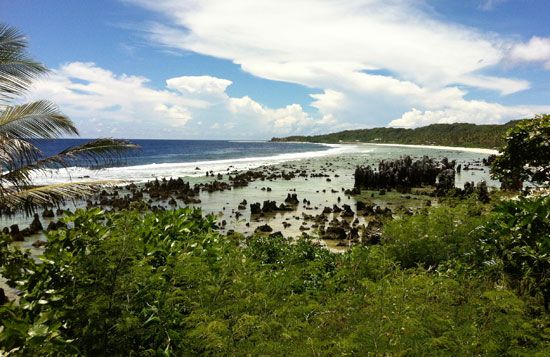
Phosphate mining has been the defining force in Naoero’s modern economic history. Commercial extraction began in 1907 under the Pacific Phosphate Company and later transitioned to the British Phosphate Commission, a joint enterprise of Australia, Britain, and New Zealand. Following independence in 1968, the Nauruan government gained control of the industry in 1970.13
For much of the 20th century, high-quality phosphate was the nation’s sole export and primary source of wealth. During the 1980s, these revenues made Naoero one of the wealthiest countries in the world per capita, allowing for a lifestyle where many citizens were unemployed by choice. However, this prosperity was fragile; as primary deposits neared exhaustion and global market conditions shifted, the nation’s accounts dwindled.31
Attempts to secure the country’s future through foreign investments largely failed due to fraud and risky management, pushing the nation toward bankruptcy by the early 21st century. While the discovery of secondary deposits and infrastructure improvements provided some economic relief, the country has since sought alternative revenue streams, including the hosting of asylum seekers for Australia.13
What is the population of Nauru and how has it changed over time?
As of 2026, the estimated population of Naoero is 12,500.4
Historical data indicates that the population has faced significant fluctuations due to external pressures and colonial events. A notable decline occurred during World War II, when Japanese forces occupied the island and forcibly relocated 1,200 Nauruans to Truk (now Chuuk) to serve as forced laborers. By the time the survivors returned home in January 1946, the population had been depleted by nearly 500 individuals.1
In more recent decades, the population has been influenced by the country’s role in hosting asylum seekers for Australia. In 2001, Naoero agreed to accept up to 1,200 refugees, and the subsequent reestablishment of detention centers in 2012 has continued to impact the island’s demographics and international profile. Today, the majority of residents are indigenous dei-Naoero, alongside smaller populations of I-Kiribati, Chinese, Australians, New Zealanders, and Tuvaluans, many of whom were originally recruited for the phosphate industry.12
What is the geographical location and size of Nauru?
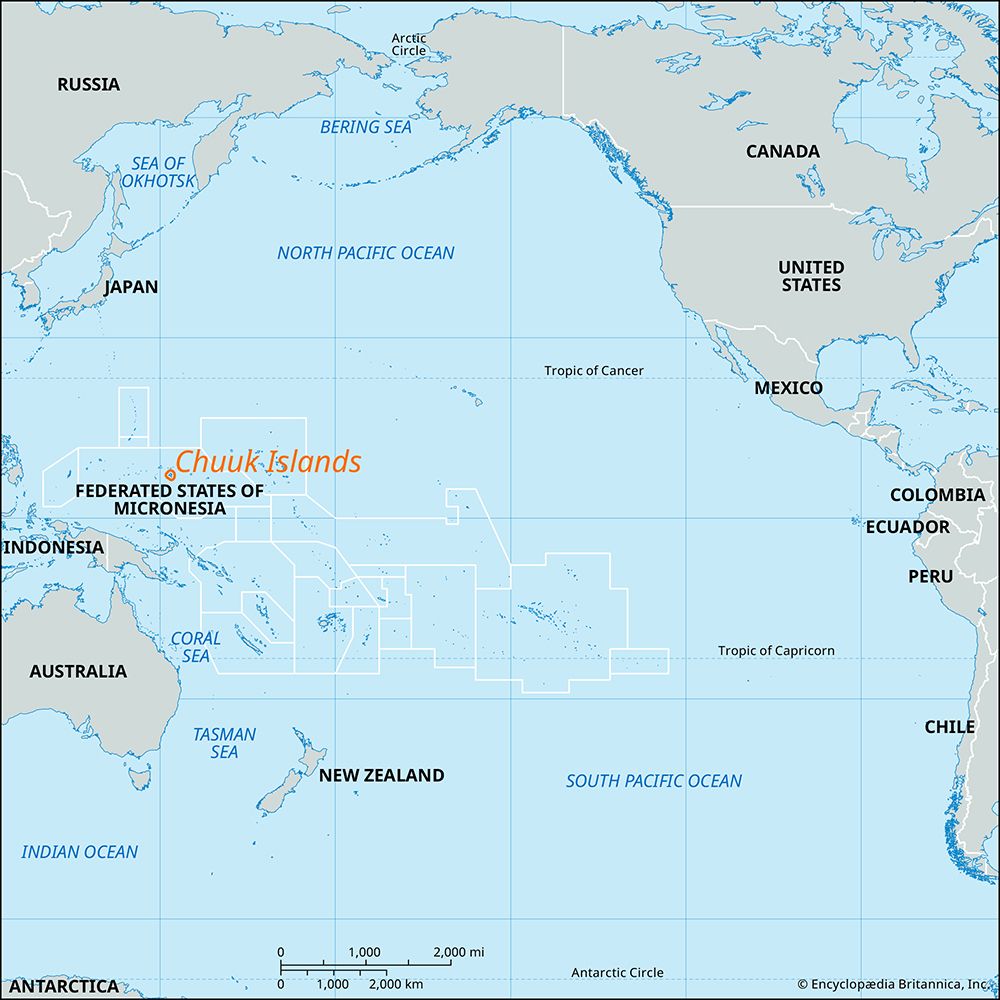
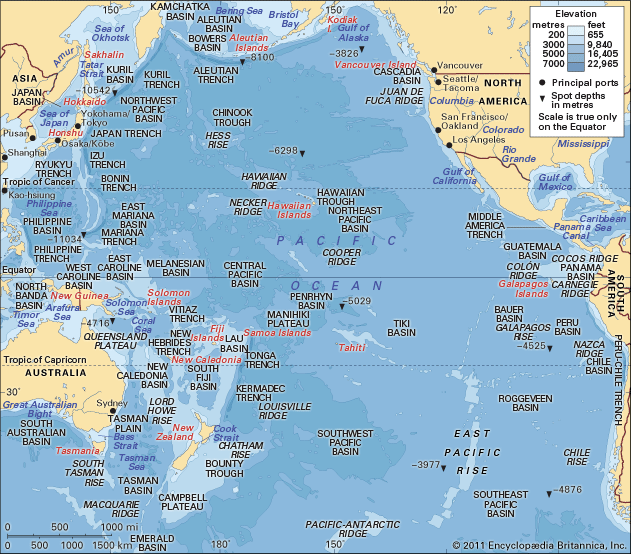
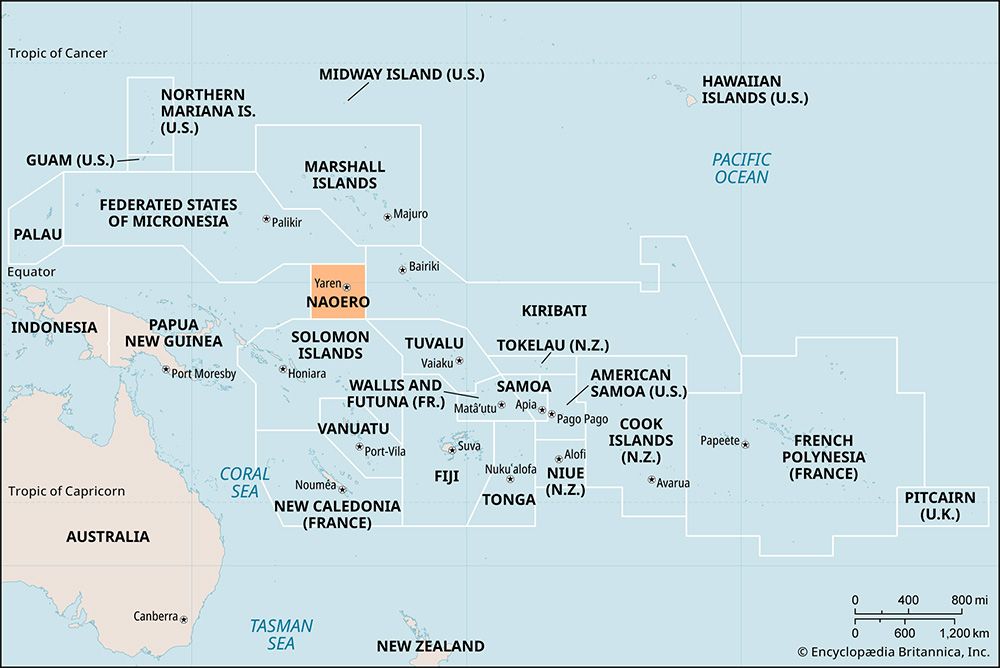
Naoero (formerly known as Nauru) is an island country situated in the southwestern Pacific Ocean. It is a raised coral island located in southeastern Micronesia, positioned approximately 26 miles (42 km) south of the Equator.56
The island is geographically isolated, lying about 800 miles (1,300 km) northeast of the Solomon Islands. Its closest neighbor is the island of Banaba in Kiribati, located roughly 200 miles (300 km) to the east.5
In terms of size, Naoero covers a total area of approximately 8 square miles (21 square kilometers). While the country has no official capital, the district of Yaren serves as the location for its government offices.65
Sources
- Naoero - History of Naoero — Encyclopædia Britannica
- Naoero - People — Encyclopædia Britannica
- Naoero - Economy — Encyclopædia Britannica
- Naoero: Country Facts — Encyclopædia Britannica
- Naoero — Encyclopædia Britannica
- Nauru — Merriam-Webster
Published on · 3 min read