Banaba
Banaba Island is primarily characterized as a coral and phosphate formation. Beyond its historical phosphate deposits, which were exhausted by 1979, the…
What natural resources, besides phosphate, are found on Banaba Island?
Banaba Island is primarily characterized as a coral and phosphate formation. Beyond its historical phosphate deposits, which were exhausted by 1979, the provided information does not identify other significant commercial natural resources on the island.12
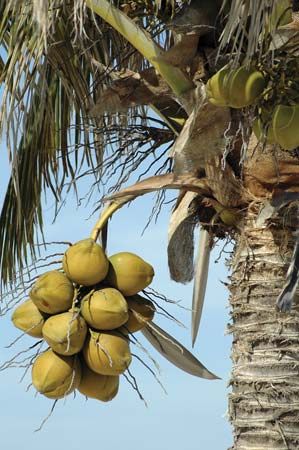
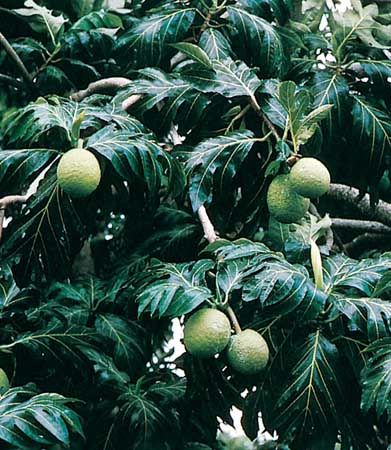
The island’s landscape is limited, and its environmental history has been heavily impacted by extensive mining, which led to significant ecological devastation. While other islands in Kiribati support agriculture such as coconut palms, breadfruit, and pandanus, Banaba is sparsely inhabited and does not possess the same agricultural profile as the country’s atolls.12
Where is Banaba Island located and what is its significance in Kiribati?
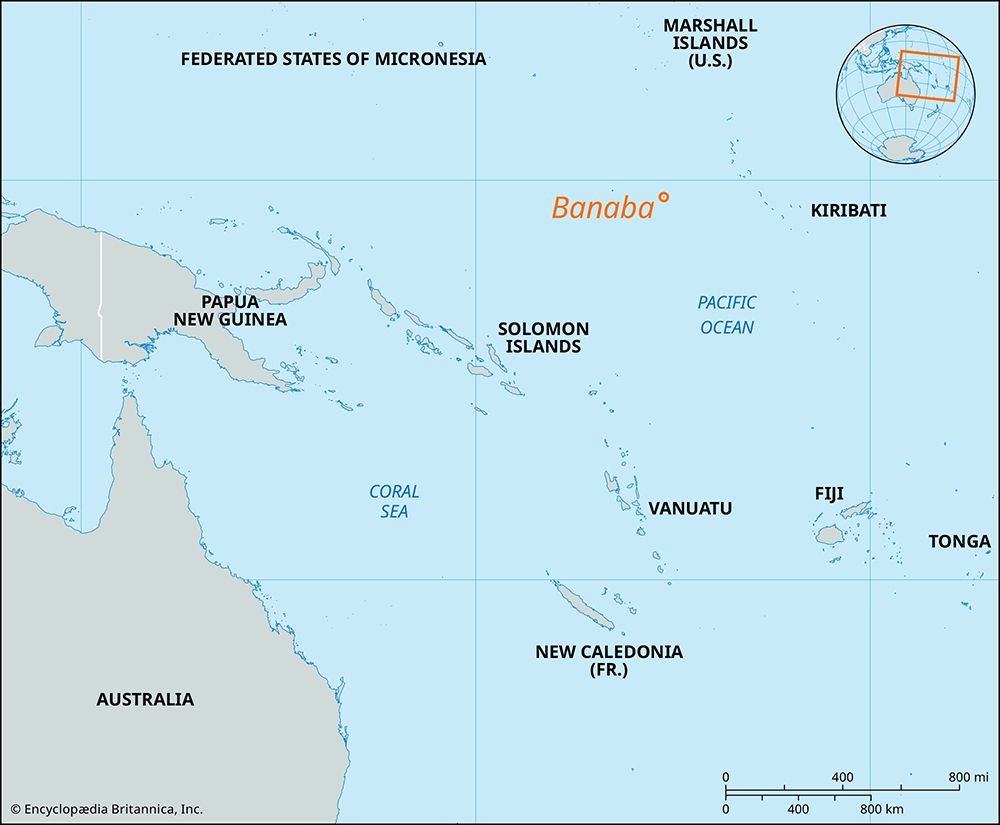
Banaba, also known as Ocean Island, is a coral and phosphate formation located in the west-central Pacific Ocean. It is situated 250 miles west of the Gilbert Islands and east-southeast of Nauru. Although it covers only 2 square miles, it holds significance as the highest point in Kiribati, reaching 285 feet above sea level.11
The island’s history is defined by its intensive phosphate mining, which began under British administration in 1900 and continued until the reserves were exhausted in 1979. This industry caused severe environmental devastation, leading to the displacement of the Banaban people to Rabi Island in Fiji. Following a legal battle for royalties and compensation, the Banaban community was granted ownership of the island and dual citizenship in Kiribati and Fiji. Despite these guarantees, the island remains sparsely populated today, with Tabiang serving as its administrative seat.3
How has phosphate mining affected the environment and people of Banaba?
Phosphate mining on Banaba caused profound and lasting damage to both the island’s environment and its indigenous population. The extraction process, which began in 1900 and peaked in the 1970s, resulted in widespread environmental devastation that rendered the island largely uninhabitable.1
The impact on the people was equally severe:
- Forced Displacement: Following World War II, the British government relocated many Banabans to Rabi Island in Fiji. While the official justification was wartime destruction, the continued mining operations made life on Banaba impossible for the local community.1
- Loss of Livelihood and Rights: Although the Banabans successfully sued the British government in 1971 for a share of mining royalties and compensation for environmental destruction, the depletion of phosphate reserves meant that the resulting income was short-lived.1
- Legal and Political Struggle: The community eventually accepted a $10 million (Australian) trust payment in 1981 to end litigation. While they were later granted ownership of the island and dual citizenship, the legacy of the mining era has left the island with only a sparse population.1
What efforts have been made to rehabilitate Banaba’s environment after mining?
Despite the severe environmental degradation caused by decades of phosphate mining on Banaba, there have been no successful, large-scale efforts to rehabilitate the island’s landscape.
When the Banaban people sued the British government in 1971, they specifically sought compensation for the environmental destruction of their home and hoped for a court order requiring the mining company to restore the land. However, the legal proceedings concluded without such an order. Ultimately, the community accepted a one-time trust payment of $10 million (Australian) in 1981 in exchange for dropping further litigation, leaving the island in its post-mining state.14
Because the mining operations exhausted the island’s phosphate reserves and left the terrain largely devastated, the island has seen only sparse repopulation since Kiribati gained independence in 1979. While the government of Kiribati has focused on various economic development projects and climate change adaptation strategies for the nation as a whole, specific restoration of the Banaban environment remains unaddressed.14
Sources
- Banaba — Encyclopædia Britannica
- Kiribati - Land — Encyclopædia Britannica
- Banaba — Merriam-Webster
- Kiribati - History of Kiribati — Encyclopædia Britannica
Published on · 3 min read