Solomon Islands
The Solomon Islands gained independence on July 7, 1978, following a period of constitutional development spurred by the global decolonization movement and…
How did the Solomon Islands gain independence, and what is their current system of government?
The Solomon Islands gained independence on July 7, 1978, following a period of constitutional development spurred by the global decolonization movement and the rise of local political consciousness, such as the Maasina Rule movement.12
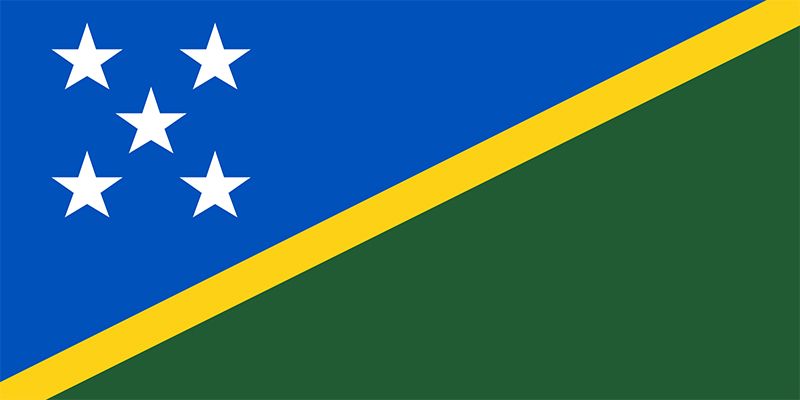
Today, the Solomon Islands operates as a constitutional monarchy and is a member of the Commonwealth. The British monarch serves as the formal head of state, represented by a governor-general who must be a citizen of the Solomon Islands and is appointed on the advice of the National Parliament.3
Legislative power is held by a unicameral Parliament, whose members are elected by universal adult suffrage for four-year terms. Executive power is exercised by a prime minister, who is elected by and from the members of Parliament. Because political parties often lack strict discipline, governments are typically formed through coalitions of parties or factions.34
How has tourism developed in the Solomon Islands, and what unique experiences does it offer?
While tourism has been developed in the Solomon Islands, it is not currently a major source of national income. The industry has faced significant challenges, including periods of civil unrest, political instability, and natural disasters like earthquakes and tsunamis, which have periodically disrupted infrastructure and commerce.56
Despite these hurdles, the islands offer unique cultural and historical experiences for visitors:
- Traditional Craftsmanship: Travelers can explore indigenous artistry, including intricate woodwork, shell inlay, mats, baskets, and shell jewelry. These items are produced both for export and for the local tourist market.5
- Cultural Heritage: Traditional culture remains vibrant, with regular performances of music and dance. Visitors may encounter “bamboo bands”—assemblages of drums made from bamboo—and panpipe music. The Solomon Islands National Museum in Honiara serves as a key institution for promoting these traditions.7
- World War II History: The capital, Honiara, holds historical significance as it developed around a former U.S. military headquarters following the Battle of Guadalcanal, one of the most pivotal conflicts of the Pacific War.86
What role did the Solomon Islands play during World War II?
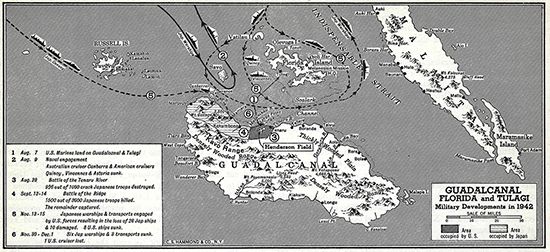
During World War II, the Solomon Islands became a critical theater of conflict in the Pacific War. Japanese forces began occupying the protectorate in early 1942, aiming to construct airfields that would threaten Allied bases in the region.1213
The Allied response culminated in the Battle of Guadalcanal, which began on August 7, 1942, when U.S. forces launched an amphibious assault to seize a strategic airfield, later named Henderson Field. This campaign, lasting 15 months, featured some of the most intense fighting in the Pacific, including the disastrous Battle of Savo Island and numerous naval engagements in the area known as Ironbottom Sound.712
Throughout the campaign, local islanders provided strong support to Allied forces. The war significantly altered the islands’ geography; following the conflict, Honiara on Guadalcanal was established as the new capital, replacing Tulagi, due to the infrastructure left behind by the military.1213
What are the main economic activities and natural resources of the Solomon Islands?
The economy of the Solomon Islands is primarily driven by the service sector, which employs the majority of the workforce and contributes nearly half of the country’s gross domestic product5.
Economic Activities
The nation’s economic activities are diverse, though they have faced significant setbacks due to past civil unrest and natural disasters:
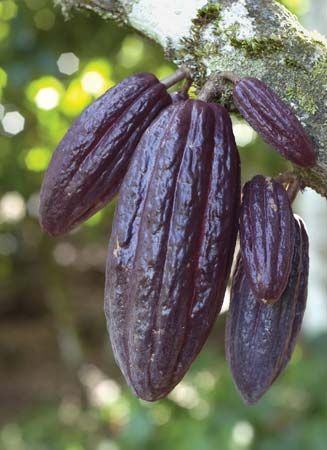
- Agriculture and Manufacturing: The economy relies on plantation crops, specifically palm oil, copra, and cacao. Manufacturing is largely focused on processing these agricultural products, such as coconut oil and cocoa5.
- Handicrafts: Traditional production of woodwork, shell inlay, mats, baskets, and shell jewelry supports both the local tourist market and export trade.5
Natural Resources
The Solomon Islands possess several key natural resources, though some have been subject to excessive exploitation:
- Primary Exports: Fish and timber are major resources, though their stocks have been depleted by over-extraction.5
- Mineral Reserves: The islands hold significant deposits of bauxite on Rennell Island and phosphates on Bellona. Additionally, gold has been extracted on Guadalcanal.5
Sources
- history of Solomon Islands - Independence for Solomon Islands — Encyclopædia Britannica
- Solomon Islands - Independence — Encyclopædia Britannica
- Solomon Islands - Government and society — Encyclopædia Britannica
- Solomon Islands: Country Facts — Encyclopædia Britannica
- Solomon Islands - Economy — Encyclopædia Britannica
- Solomon Islands - World War II — Encyclopædia Britannica
- history of Solomon Islands - The Solomons during World War II — Encyclopædia Britannica
- Solomon Islands - Cultural life — Encyclopædia Britannica
- Solomon Islands — Encyclopædia Britannica
- Oceanic art and architecture - The Solomon Islands — Encyclopædia Britannica
- Honiara — Encyclopædia Britannica
- Battle of Guadalcanal — Encyclopædia Britannica
- Battle of Guadalcanal - Landings in the southern Solomons and the Battle of Savo Island — Encyclopædia Britannica
- Maldives - Agriculture, forestry, and fishing — Encyclopædia Britannica
- Samoa - Agriculture, forestry, and fishing — Encyclopædia Britannica
- Samoa - Economy — Encyclopædia Britannica
- Samoa - Resources and power — Encyclopædia Britannica
- Samoa - Trade — Encyclopædia Britannica
Published on · 3 min read