Narmada River
The Narmada River holds profound significance in Hinduism, where it is revered as a sacred waterway second only to the Ganges River in sanctity. According to…
What is the cultural and religious significance of the Narmada River in Hinduism?
The Narmada River holds profound significance in Hinduism, where it is revered as a sacred waterway second only to the Ganges River in sanctity. According to Hindu belief, the river originated from the body of the god Shiva.
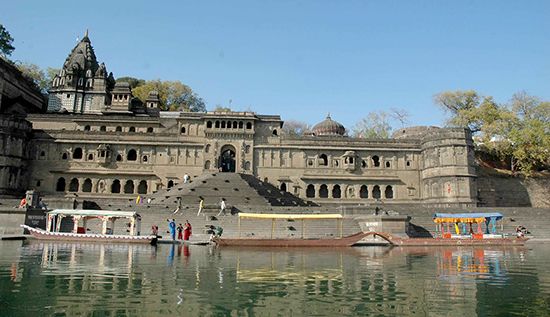
The town of Amarkantak, Madhya Pradesh, is home to the Narmada Kund, a reservoir widely regarded as the river’s source and a major holy site. The river’s spiritual importance is further emphasized by the pradakshina pilgrimage, a devotional journey that requires pilgrims to travel from Bharuch to Amarkantak, walking up one bank of the river and returning down the other. Throughout its course, the river passes through several cities and towns of religious importance, including Mandhata, Maheshwar, and Jabalpur, where devotees engage in various rituals and ceremonies along its banks.
How has the Narmada River influenced the development of ancient civilizations and trade routes in India?
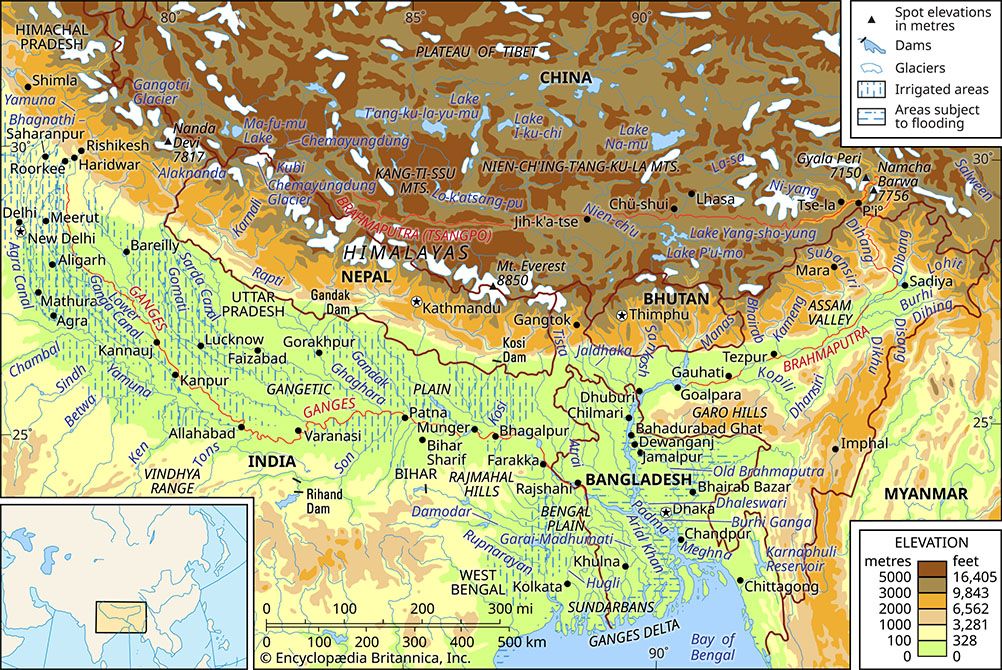
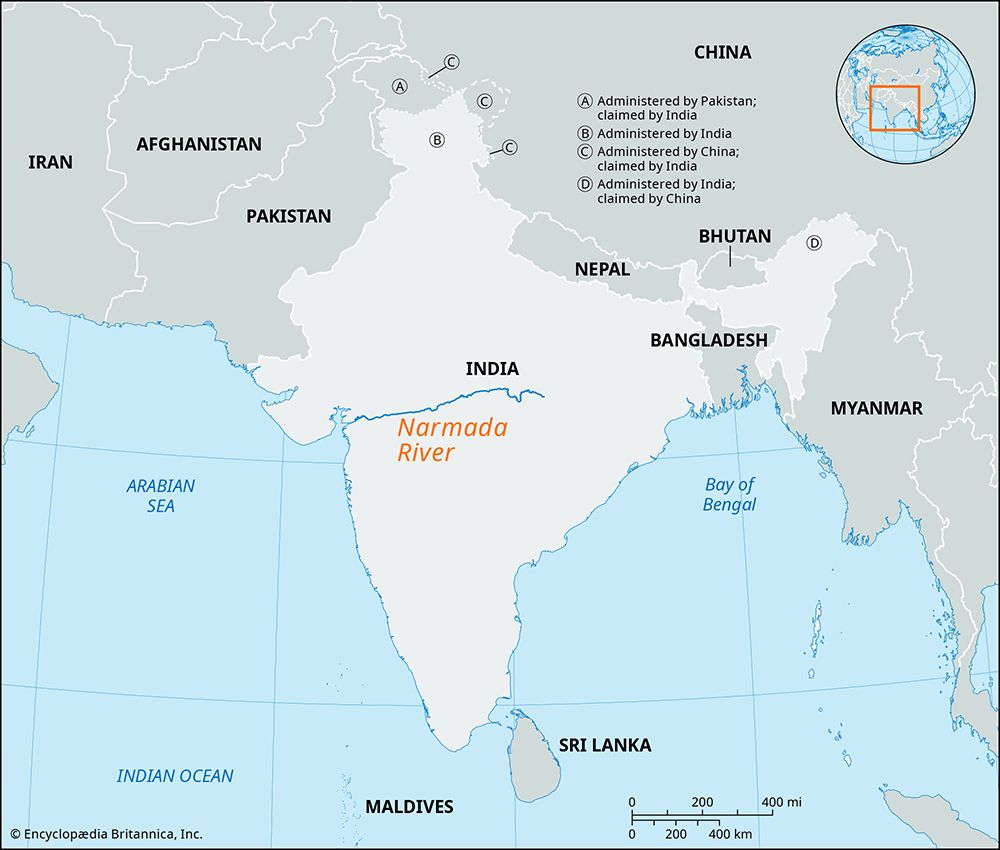
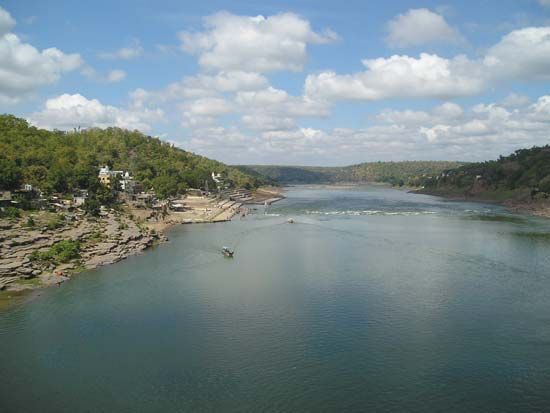
The Narmada River has historically served as a vital corridor for connectivity and economic exchange in central India. For centuries, the river has functioned as an essential transit route linking the Arabian Sea to the Ganges River valley, facilitating trade and movement across the region.1
Beyond its role as a transport artery, the river’s basin has supported human settlement and agricultural activity for generations. The fertile plains along its course, such as the Hoshangabad and Mahishmati plains, have historically provided the environmental foundation necessary for sustaining local populations and economic development. While the river is now heavily managed through modern water infrastructure, including large-scale dams and canal networks designed for irrigation and hydroelectric power, its historical significance remains rooted in its capacity to bridge diverse geographical areas of the Indian subcontinent.1
How does the Narmada River compare in size and importance to other major rivers in India?
The Narmada River is one of the most significant waterways in India, recognized as the most important west-flowing river of peninsular India. Stretching approximately 800 miles (1,300 km) in length, it possesses a drainage basin covering roughly 38,145 square miles (98,796 square km).125
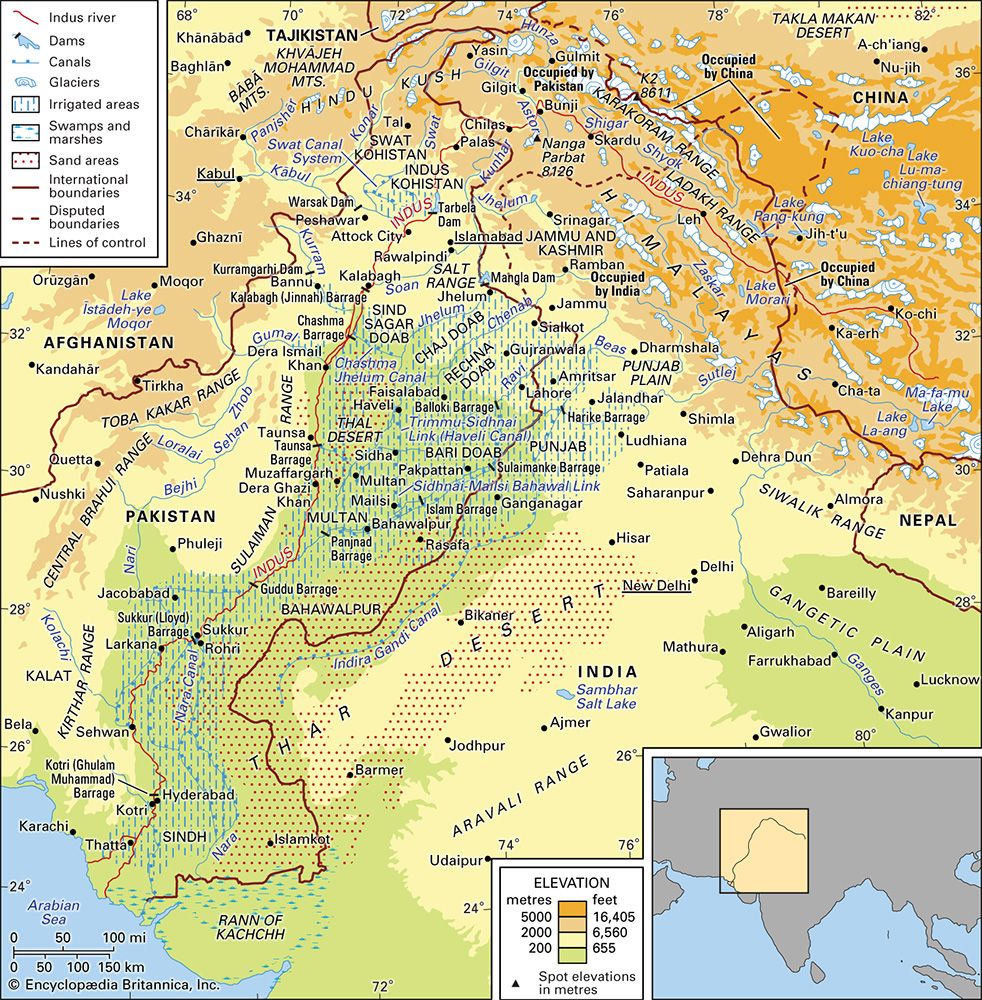
In terms of size and scale, the Narmada is larger than the Tapi River, which has a drainage basin of about 25,000 square miles (65,000 square km). While it does not match the massive scale of the Indus River system, which spans multiple countries and features extensive Himalayan-fed tributaries, the Narmada is a critical water resource for central India.12
Its importance is defined by several factors:
- Religious Sanctity: It is considered the second most sacred river in Hinduism, surpassed in holiness only by the Ganges River.2
- Economic Development: The river is a major hub for hydroelectric power and irrigation, supporting states like Madhya Pradesh and Gujarat through massive infrastructure projects like the Sardar Sarovar Dam.2
How has the Narmada River been depicted in Indian literature and art throughout history?
The provided search results do not contain information regarding the depiction of the Narmada River in Indian literature and art. While the sources detail the river’s geography, religious significance in Hinduism, and its role in modern water resource development, they do not address its representation in artistic or literary works throughout history.12
Sources
- Narmada River — Encyclopædia Britannica
- Narmada — Merriam-Webster
- Kumbh Mela - Deep daan — Encyclopædia Britannica
- water infrastructure in India - Historical background — Encyclopædia Britannica
- India - Drainage into the Arabian Sea — Encyclopædia Britannica
Published on · 3 min read