Nimba Range
The Nimba Range is a mountain chain that extends in a southwest–northeast direction along the borders of three West African nations: Guinea, Côte d’Ivoire…
Where is the Nimba Range located, and which countries does it span?
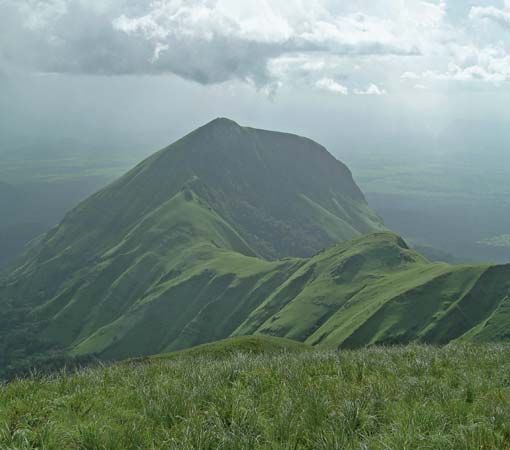
The Nimba Range is a mountain chain that extends in a southwest–northeast direction along the borders of three West African nations: Guinea, Côte d’Ivoire, and Liberia.1
The range reaches its highest elevation at Mount Nimba, which stands at 5,748 feet (1,752 meters). The area is ecologically significant, characterized by surrounding lowland rain forest to the south and savanna to the north, and it serves as the source for the Nuon and Cavalla rivers. Due to the region’s rich iron-ore deposits, the range has been a site of significant mining activity, though all three countries have also established nature and forest reserves on its slopes to protect the environment.1
Are there any endangered species that are unique to the Nimba Range?
The Nimba Range is home to a diverse array of flora and fauna, including many species that are considered endemic or threatened. Specifically, the Mount Nimba Strict Nature Reserve, which encompasses a portion of the range, is recognized for its unique biological importance and has been designated as a World Heritage site to help protect these vulnerable populations.1
While the provided information confirms that the region supports numerous endemic and threatened species, it does not list specific names of these endangered animals or plants. The area’s ecological significance is largely attributed to its varied habitats, ranging from lowland rain forest to savanna, which provide critical niches for specialized life forms.21
What unique ecosystems or biodiversity can be found in the Nimba Range?
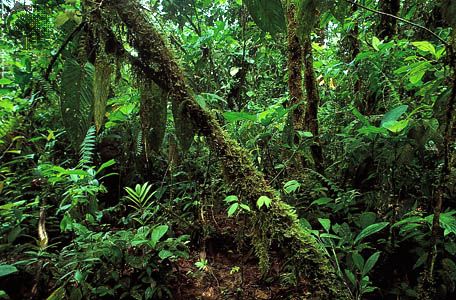
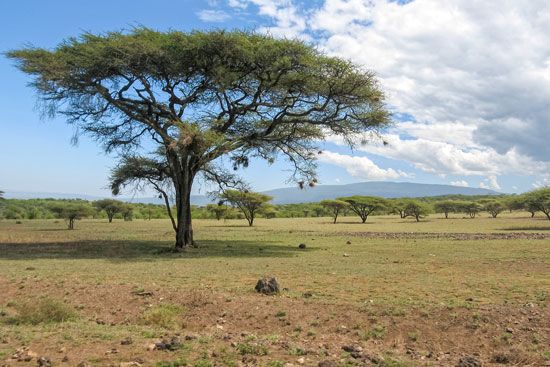
The Nimba Range is characterized by a unique convergence of distinct ecological zones, serving as a transition point between different environments. The mountains are bordered by lush rain forest to the south and savanna to the north, creating a diverse landscape that supports a wide variety of life.12
The biodiversity of the range is particularly notable within the Mount Nimba Strict Nature Reserve. This area is recognized for hosting a diverse array of flora and fauna, including numerous species that are endemic or threatened, which has led to its designation as a World Heritage site. The region’s varied elevation and well-watered climate—part of the broader Guinea Highlands plateau—provide critical habitats that allow for such ecological richness.2
While the range is ecologically significant, it is also a site of substantial mineral wealth, particularly iron-ore deposits, which have been subject to industrial mining since the 1960s. Consequently, all three bordering nations have established nature and forest reserves on the mountain slopes to balance economic activity with environmental protection.12
Are there any conservation efforts or protected areas within the Nimba Range?
The Nimba Range is subject to significant conservation efforts due to its ecological importance and the presence of diverse, often threatened, species. Because the mountains span the borders of Guinea, Côte d’Ivoire, and Liberia, all three nations have established nature and forest reserves on the mountain slopes to protect the local environment.1
A primary conservation area within the range is the Mount Nimba Strict Nature Reserve. This reserve covers approximately 70 square miles (180 square km) and is recognized for its rich biodiversity, which includes numerous endemic and threatened species. Due to its biological significance, the Guinean sector of the reserve was designated a UNESCO World Heritage site in 1981, followed by the Côte d’Ivoirian sector in 1982.2
These protections are particularly vital given the range’s substantial mineral wealth. Extensive iron-ore deposits have been mined in the region since the 1960s, necessitating a balance between industrial activity and the preservation of the surrounding rain forest and savanna ecosystems.12
Sources
- Nimba Range — Encyclopædia Britannica
- Guinea Highlands — Encyclopædia Britannica
Published on · 3 min read