Nutcracker
The term "nutcracker" refers to two specific species of birds within the genus Nucifraga, which are members of the Corvidae family and the order…
What species of birds are classified as nutcrackers?
The term “nutcracker” refers to two specific species of birds within the genus Nucifraga, which are members of the Corvidae family and the order Passeriformes.1
These two species are:
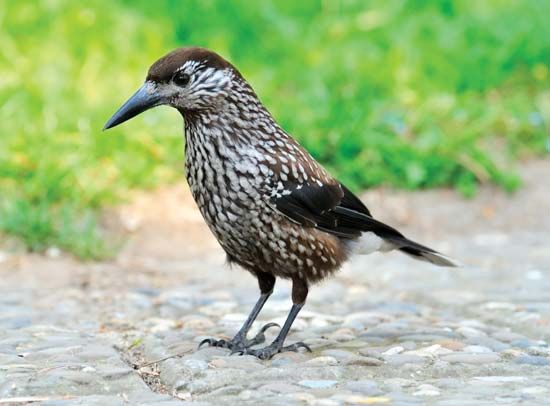
- Eurasian nutcracker (Nucifraga caryocatactes): A brownish bird with white streaking and a white-tipped tail, found in regions ranging from Scandinavia to Japan.1
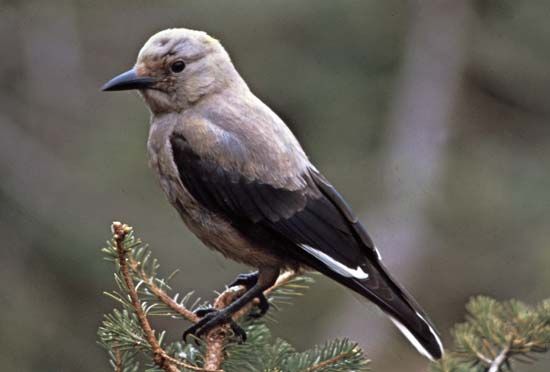
- Clark’s nutcracker (N. columbiana): A pale gray bird native to western North America, characterized by black tail feathers and white wing patches visible during flight.1
Both species are adapted to coniferous forests and are known for their remarkable ability to cache nuts and pine seeds underground, which they retrieve months later using an exceptional spatial memory facilitated by an enlarged hippocampus.1
What role do nutcrackers play in seed dispersal and forest ecology?
Nutcrackers play a vital role in forest ecology through their behavior of caching seeds. These birds, which belong to the Corvidae family, rely heavily on nuts and pine seeds for their winter survival.12
To prepare for colder months, nutcrackers hide thousands of individual seeds in various underground caches across their habitat. While they possess a remarkable spatial memory that allows them to recall these locations for up to nine months, they inevitably overlook a portion of their stored seeds. These forgotten caches serve a critical function in the environment: they act as a natural mechanism for reforestation, allowing seeds to germinate and grow into new trees in areas where they might not have otherwise been dispersed. By facilitating the spread and regeneration of coniferous forests, nutcrackers act as essential ecosystem engineers.12
Where are nutcrackers typically found, and what are their preferred habitats?
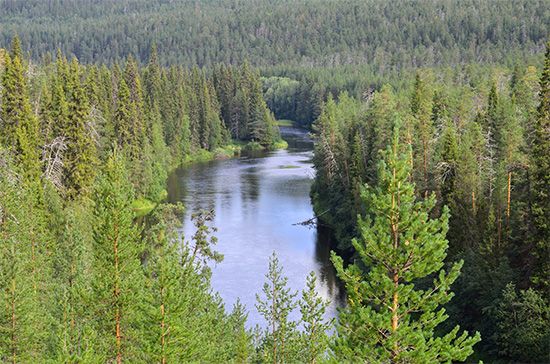
Nutcrackers are primarily found in coniferous forests, which serve as their preferred habitat due to the availability of seeds and nuts that sustain them throughout the year.1
The geographical distribution of the two species is as follows:
- Eurasian nutcracker: This species is found across a vast range extending from Scandinavia to Japan, with additional isolated populations residing in mountainous regions further south.1
- Clark’s nutcracker: This bird is native to western North America, where it thrives in the coniferous environments characteristic of that region.134
Both species are highly specialized for these forest environments, utilizing their sharp bills to extract seeds and their exceptional spatial memory to cache them for winter survival.1
What other birds belong to the corvid family?
The Corvidae family is a diverse group of songbirds within the order Passeriformes. Beyond nutcrackers, this family includes a wide variety of well-known birds, often categorized by their size, appearance, and behavior:
- Crows and Ravens: These are generally larger, shorter-tailed species with a somber appearance, found globally except in South America. This group includes the crow, raven, rook, and jackdaw.2
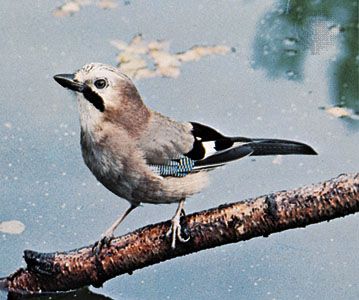
- Jays and Magpies: These are typically smaller, more colorful, and often feature crests or long tails. They are most numerous in southeastern Asia and South America.2
- Choughs: These are also members of the corvid family, known for their distinct characteristics within the order.2
Corvids are recognized for their high level of intelligence, complex social organizations, and strong pair bonds. While some are known as scavengers or nest-robbers, they play essential roles in their ecosystems, including aiding in reforestation through seed caching.2
Sources
- Nutcracker — Encyclopædia Britannica
- Corvidae — Encyclopædia Britannica
- Clark's nutcracker — Merriam-Webster
- Clark nutcracker — Merriam-Webster
Published on · 3 min read