Nutria
The nutria (Myocastor coypus) is a large, amphibious rodent native to South America. It is characterized by a robust body, webbed hind feet, and a…
What is a nutria and where did it originate?
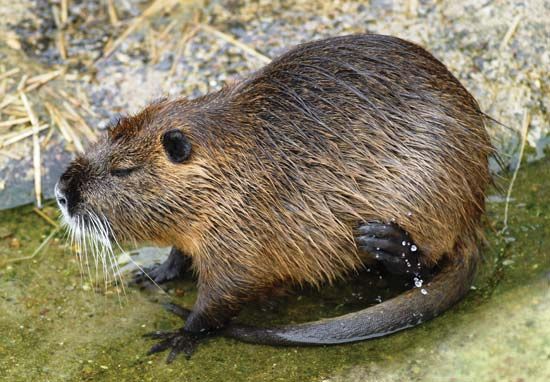
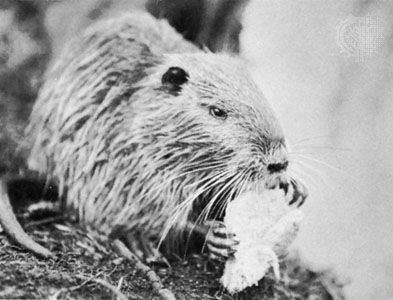
The nutria (Myocastor coypus) is a large, amphibious rodent native to South America. It is characterized by a robust body, webbed hind feet, and a cylindrical, scaly tail. These animals are highly adapted to aquatic environments, possessing the ability to remain submerged for up to five minutes and to cut vegetation underwater without swallowing water.1
The species originated in southern South America, with an indigenous range extending from southern Brazil and Bolivia southward to Chile and Argentina. While they were historically hunted for their fur, the establishment of breeding farms in North America and Europe led to escapes and intentional introductions. Consequently, the nutria has become an invasive species in many parts of the world, including Canada, the United States, and regions across Central Asia, Japan, and East Africa, where they often compete with native species like muskrats.12
How did nutrias spread to different parts of the world?
The global spread of the nutria (Myocastor coypus) was primarily driven by the international fur trade during the 19th and 20th centuries. As demand for the animal’s plush underfur grew, breeding farms were established across North America and Europe to supply the industry.1
The expansion of these populations occurred through two main channels:
- Intentional Introduction: In some regions, such as Louisiana in the 1930s, nutrias were deliberately imported and released into the wild to bolster local fur-trapping economies.2
- Accidental Escapes: Many feral populations originated from animals that escaped from these commercial breeding facilities.1
Once introduced to new environments, these rodents proved highly adaptable, establishing themselves in diverse aquatic habitats ranging from Canada and the United States to Central Asia, Japan, and East Africa. In many of these areas, they have become invasive, often outcompeting native species like muskrats and causing significant environmental damage by destroying vegetation and undermining infrastructure like levees.12
What are the main differences between nutrias and other similar rodents like beavers or muskrats?
Nutrias are often confused with other amphibious rodents, but they possess distinct physical and behavioral characteristics that set them apart from species like the muskrat.
Key Differences
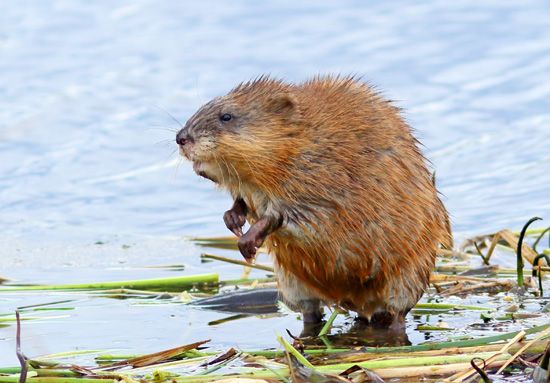
- Size and Weight: The nutria is significantly larger than the muskrat. A typical nutria weighs between 5 and 10 kg (up to 17 kg), whereas a muskrat is much smaller, weighing up to 1.8 kg.41
- Tail Shape: A primary physical identifier is the tail. The nutria has a cylindrical, scaly tail, while the muskrat possesses a tail that is flattened vertically, acting as a rudder for swimming.41
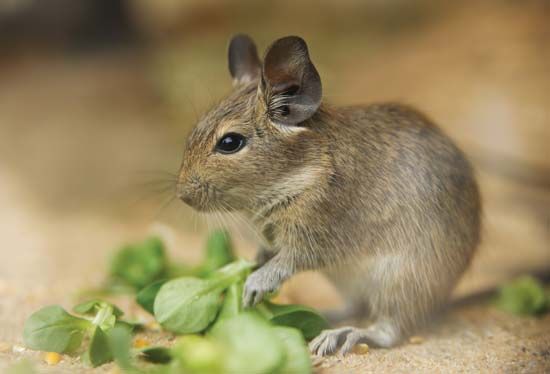
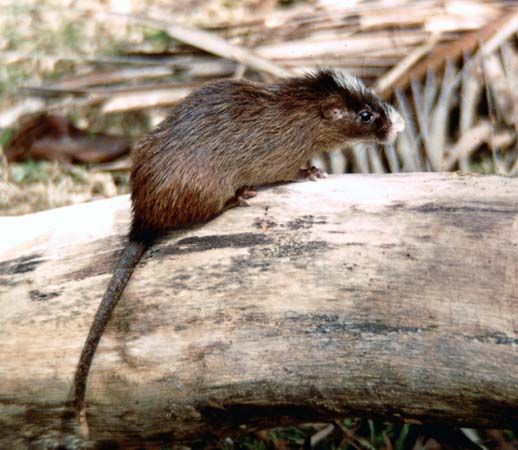
- Biological Classification: Nutrias belong to the family Myocastoridae, with their closest relatives being degus and spiny rats. In contrast, muskrats are part of the subfamily Arvicolinae within the mouse family.41
- Adaptations: While both are excellent swimmers, nutrias can close their mouths behind their incisors to cut vegetation underwater without swallowing water. Muskrats are known for their ability to remain submerged for up to 20 minutes, significantly longer than the nutria’s five-minute capacity.41
While beavers are also large, semi-aquatic rodents, they are distinct from both nutrias and muskrats due to their iconic broad, flat, paddle-like tails and their unique ability to engineer complex dams and lodges.
What is the diet of nutrias and how does it affect their habitat?
The nutria (Myocastor coypus) is a herbivorous rodent with a highly varied diet. It consumes a wide range of aquatic vegetation, including stems, leaves, roots, rhizomes, grains, cattails, water lilies, duckweed, and white clover. While primarily plant-based, their diet also includes mussels and snails.1
Their feeding habits significantly impact their habitat. Because they are capable of cutting submerged vegetation without swallowing water, they can clear large amounts of aquatic plants, which can alter the structure of marshes and wetlands. Furthermore, nutrias excavate short or elaborate burrows in riverbanks and lake margins, and they construct platform nests and feeding sites in marshes. In regions where they have been introduced as an invasive species, their aggressive feeding and burrowing behaviors can lead to the degradation of local ecosystems, as they compete with native species like muskrats and can damage the integrity of banks and shorelines.1
Sources
- nutria — Encyclopædia Britannica
- nutria — Merriam-Webster
- Fur clothing bans - Pro 2: The fur industry contributes to the destruction of the environment. — Encyclopædia Britannica
- muskrat — Encyclopædia Britannica
Published on · 3 min read