Mouse
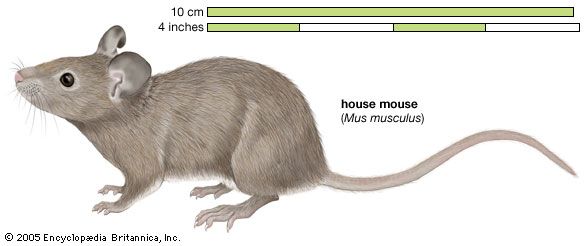
In a scientific context, the term mouse refers exclusively to the 38 species within the genus Mus. While the name is often applied loosely to various small…
What are the defining characteristics of mice as a rodent genus?
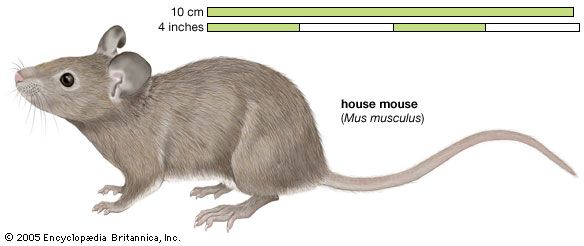
In a scientific context, the term mouse refers exclusively to the 38 species within the genus Mus. While the name is often applied loosely to various small rodents, the genus Mus is defined by a specific combination of physical and biological traits.1
Physical Characteristics
Members of the genus Mus typically possess:
- Body Structure: A slender body with a blunt or tapered muzzle and prominent, thinly furred ears.1
- Limbs and Tail: Narrow hind feet with bald soles, small sharp claws, and a scantily haired or “naked-appearing” tail that varies in length relative to the body.12
- Coat: Fur texture ranges from soft and velvety to spiny, depending on the subgenus. Common color patterns include gray to brown upperparts with lighter underparts, though variations exist.1
Natural History and Behavior
- Habitat and Activity: Mice are primarily nocturnal and ground-dwelling, though many species are agile climbers, leapers, and swimmers. Most species excavate burrows and construct globular nests of vegetation.12
- Diet: They are generally omnivorous, consuming a combination of seeds, plant parts, insects, and other invertebrates.12
- Distribution: The genus is native to Eurasia and Africa, ranging from lowlands to high-altitude mountain environments.1

How have mice been used in scientific research and what are some important discoveries made through mouse studies?
Mice are essential in medical research primarily because their genetic makeup closely resembles that of humans, allowing them to serve as effective models for studying human diseases. Their short life cycles enable researchers to observe the progression of conditions and the effects of treatments across multiple generations in a relatively short time.6
Key Scientific Contributions
- Gene Function: Through the development of knockout mice, scientists can inactivate specific genes to observe changes in phenotype. This has provided critical insights into the biological roles of genes and their involvement in various disorders, including cancer, diabetes, cystic fibrosis, and Parkinson disease.67
- Developmental Biology: Research using mouse embryonic stem cells has advanced our understanding of mammalian organ development and the establishment of body plans.87
- Therapeutic Testing: These models provide a platform for testing novel drug therapies before they are applied to human subjects.7
While this research is vital for medical advancement, it is conducted under ethical frameworks like the Animal Welfare Act to minimize animal distress, though it remains a subject of debate regarding animal welfare.6
What are some common species of mice found around the world?
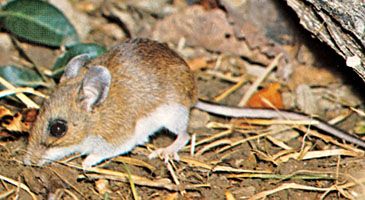
While the term “mouse” is often used broadly to describe many small rodents, in a scientific context, it refers specifically to the 38 species within the genus Mus. Other rodents, such as the deer mouse, belong to different genera despite their similar appearance.
Common Species of the Genus Mus
- House Mouse (Mus musculus): Native to Eurasia, this is the most widely distributed species due to its long-standing association with human populations worldwide.15
- Pygmy Mouse (M. minutoides): Found in sub-Saharan Africa, this is one of the smallest mouse species, weighing as little as 3 grams.1
- Ryukyu Mouse (M. caroli): Native to Southeast Asia, this species is known for its specialized burrowing techniques in agricultural lands like rice fields.1
- Fawn-coloured Mouse (M. cervicolor): Distributed across mainland Southeast Asia and southern China, it has also been introduced to parts of Indonesia.1
- Flat-haired Mouse (M. platythrix): A larger species native to peninsular India.1
Other “Mice”
It is important to note that many animals commonly called mice, such as the deer mouse (genus Peromyscus), are not members of the genus Mus. Deer mice are found throughout North America and are frequently used in scientific research.9
How do mice communicate with each other?
Mice communicate primarily through chemical signaling, utilizing pheromones and other volatile compounds found in their urine to convey vital information to other members of their species.1011
Chemical Communication and Social Interaction
- Territory and Reproduction: Mice use urine to mark their breeding territories and advertise their sexual state. Males frequently deposit urine at “marking posts” to establish presence, and they can determine a female’s reproductive receptivity by smelling her scent markings.1011
- Physiological Influence: Chemical signals act as both releasers, which influence immediate behavior, and primers, which alter the physiology of others. For example, specific substances in male mouse urine can induce and accelerate the estrous cycle of females.1011
- Individual Recognition: Mice distinguish between individuals using chemical signatures influenced by the major histocompatibility complex (MHC). These genetic variations produce unique odors that help mice identify others and influence mate selection, as they generally prefer partners with an MHC different from their own.12
- Imprinting: Young mice undergo imprinting to the odor of the family in which they are reared. This “family odor” serves as a reference point for identifying potential mates once the mouse reaches maturity.12
Sources
- mouse — Encyclopædia Britannica
- rodent — Encyclopædia Britannica
- rodent - General features — Encyclopædia Britannica
- rodent - Evolution and classification — Encyclopædia Britannica
- house mouse — Encyclopædia Britannica
- Why are mice used in medical research? — Encyclopædia Britannica
- stem cell - Mouse embryonic stem cells — Encyclopædia Britannica
- Knockout mouse — Encyclopædia Britannica
- deer mouse — Encyclopædia Britannica
- Chemoreception - Mammals — Encyclopædia Britannica
- Chemoreception - Individual recognition — Encyclopædia Britannica
- Reproductive behaviour - Olfactory clues — Encyclopædia Britannica
Published on · 4 min read