Oise River
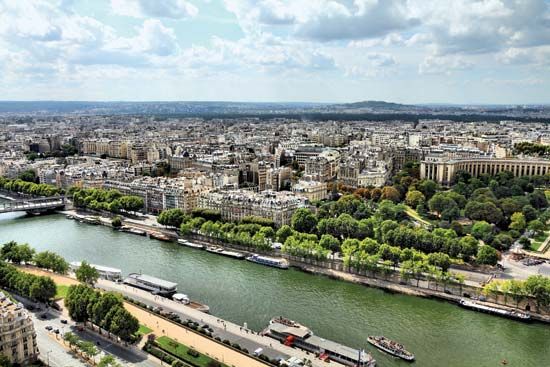
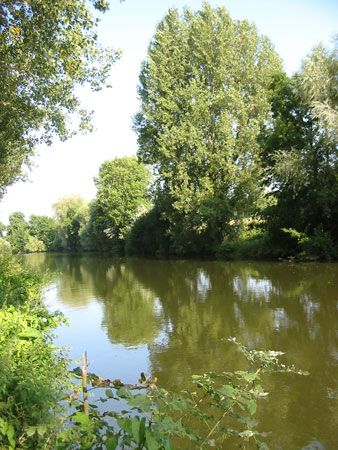
The Oise River flows through northern France, passing several notable towns and cities along its course toward the Seine River. Key settlements located along…
What are some of the major cities or towns located along the Oise River?
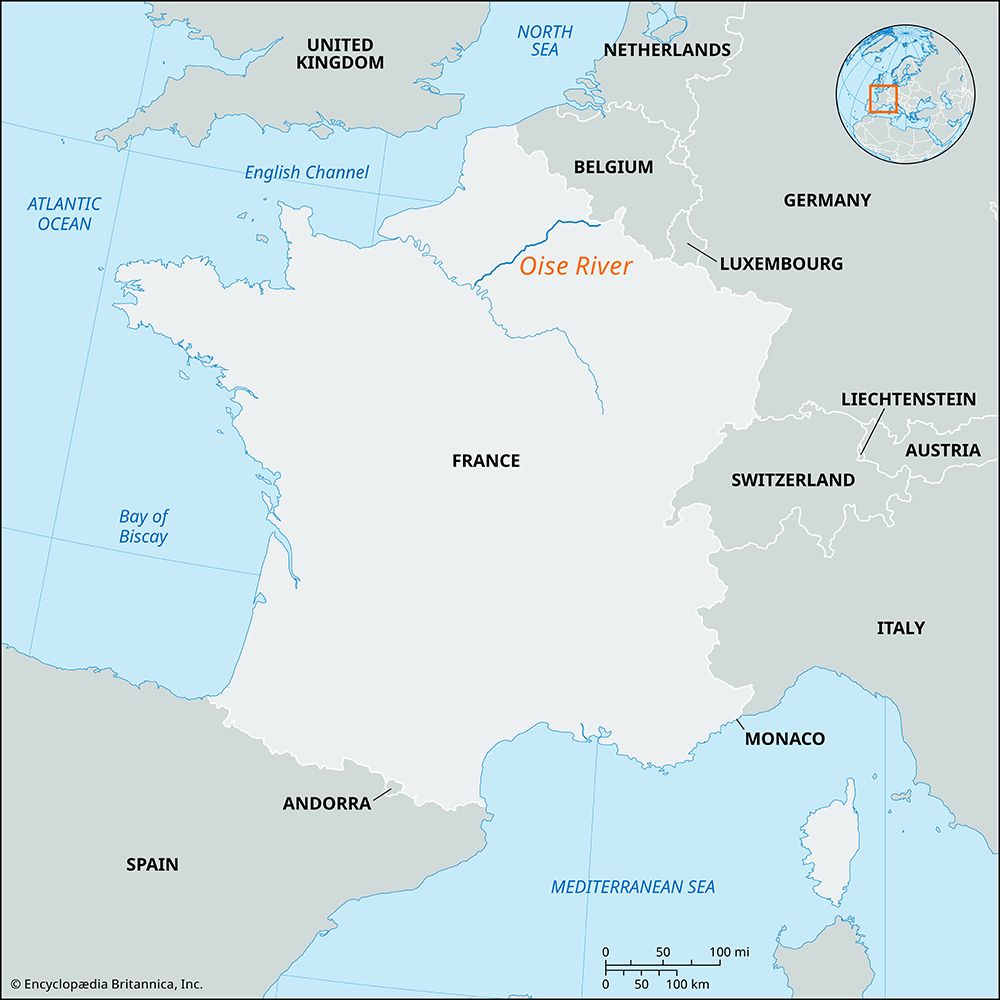
The Oise River flows through northern France, passing several notable towns and cities along its course toward the Seine River. Key settlements located along the river include:
- Guise: Situated in a flat alluvial valley, this town marks a point where the river flows through a distinct landscape.1
- La Fère: A town located along the river’s path.1
- Compiègne: A historic town known for its royal palace and its significance during both World Wars.12
- Creil: An industrial center featuring metalworks and engineering industries.13
- Pontoise: Located northwest of Paris, this town serves as the capital of the Val-d’Oise département and is part of the Cergy-Pontoise agglomeration.4
These locations reflect the river’s historical importance as a transport link and its role in the industrial and cultural development of the region.13
How does the Oise River contribute to the water management system in its region?
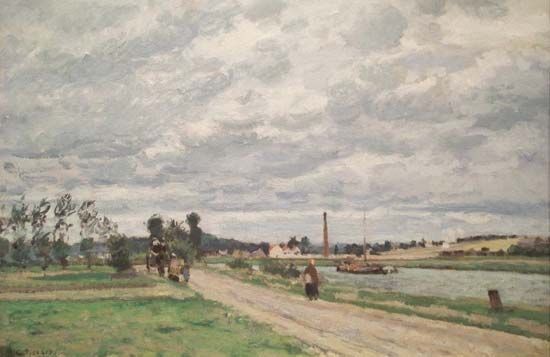
The Oise River plays a vital role in the regional water management system primarily by serving as a critical link in the canal system of northern France. By connecting the navigable waterways of the Seine River system with the canals of the north, the Oise facilitates the movement of goods between the center of the Paris Basin and industrial hubs in Belgium and Dunkirk.16
Beyond its function as a transport artery, the Oise acts as a major drainage collector for a basin covering approximately 7,700 square miles (20,000 square km). It receives significant tributaries, such as the Aisne, the Serre, and the Thérain, which integrate the river into the broader hydrological network of the Paris Basin. While the Seine system relies on various storage reservoirs and dams to manage flow and ensure water supply for industry and human consumption, the Oise remains a fundamental component of this interconnected waterway infrastructure.16
What is the historical significance of the Oise River in European trade and transportation?
The Oise River has long served as a vital artery for European trade and transportation. Its historical significance lies primarily in its function as a strategic link within the broader French inland waterway network. By connecting the navigable waterways of the Seine River system with the canals of northern France, the Oise facilitates the movement of goods between the industrial heart of the Paris Basin and key northern markets, including Belgium and the port of Dunkirk.11
This connectivity was historically enhanced by the development of canal systems, such as the Saint-Quentin and Nord canals, which integrated the Oise into the transport routes serving the former coal basins of northern France. Beyond its economic role, the river has been a site of significant historical conflict, most notably serving as a theater for several battles during World War I.6
How has the Oise River been used for recreation and tourism?
Sorry, the Britannica knowledge base does not contain information regarding the specific use of the Oise River for recreation and tourism.
Sources
- Oise River — Encyclopædia Britannica
- Oise — Merriam-Webster
- Compiègne — Encyclopædia Britannica
- Pontoise — Encyclopædia Britannica
- Creil — Encyclopædia Britannica
- Seine River — Encyclopædia Britannica
Published on · 2 min read