Tana River
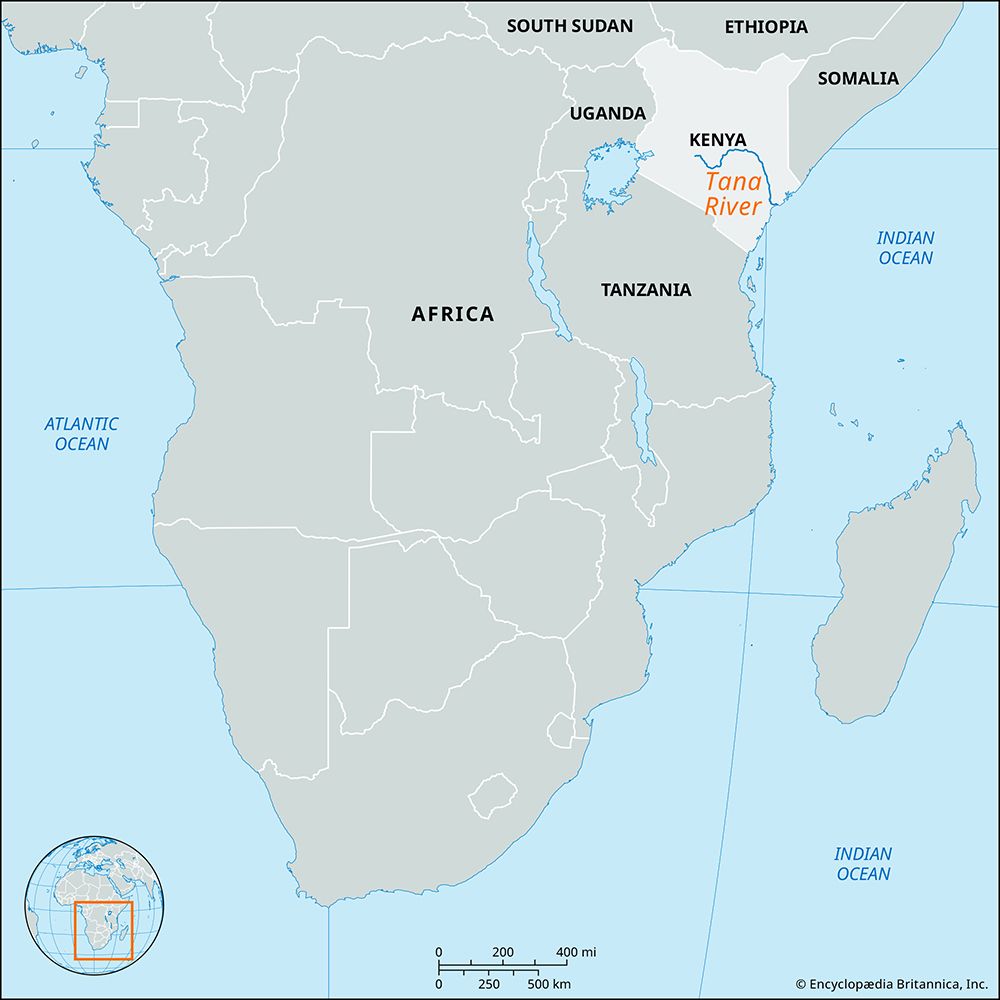
The Tana River is the longest river in Kenya, stretching 440 miles (708 km) from its headwaters in the Aberdare Range and Mount Kenya to the Indian Ocean.
What is Tana River?
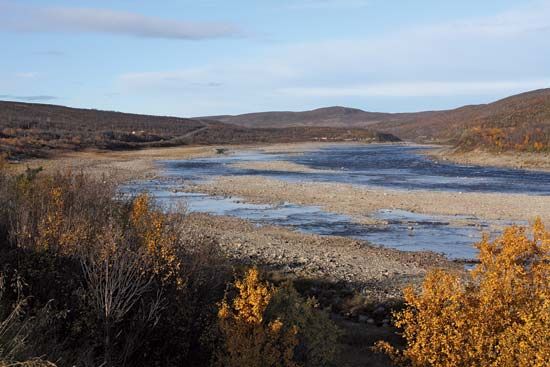
The Tana River is the longest river in Kenya, stretching 440 miles (708 km) from its headwaters in the Aberdare Range and Mount Kenya to the Indian Ocean.1
The river follows a diverse path:
- Upper Course: It begins in the highlands and features the Sasumua Dam, which supplies water to Nairobi.1
- Middle Course: The river descends over the Kitaru (Seven Forks) Falls into a semidesert region. This area includes the Kindaruma hydroelectric project and irrigation systems used for rice cultivation.1
- Lower Course: After veering south, it flows through a wide valley and floodplain before reaching the Indian Ocean at Formosa Bay near Kipini.1
While the river is navigable by small craft for approximately 150 miles (240 km), travel can be difficult.1
How does the Tana River support Kenya’s agriculture?
The Tana River is vital to Kenya’s agricultural sector, primarily through its role in irrigation and water management. In the middle course of the river, specifically at Embu, an irrigation project utilizes the river’s flow to provide essential water for rice cultivation.1
Additionally, the river’s lower course features a wide valley and floodplain that is subject to periodic inundations, which naturally support the surrounding landscape. While the river also serves as a critical source for hydroelectric power—such as the project at Kindaruma—its controlled water supply remains a cornerstone for regional farming efforts.1
What role does the river play in generating electricity?
The Tana River serves as a critical source of hydroelectric power for Kenya, contributing approximately one-fifth of the nation’s total electricity generation.1
The river’s potential for energy production is primarily harnessed through a series of hydroelectric plants situated along its course. A notable example is the project located at Kindaruma, which is part of the Seven Forks development where the river descends over the Kitaru Falls. These facilities are essential to Kenya’s energy strategy, which focuses heavily on renewable sources to meet the growing electricity needs of both urban and rural populations.21
What kind of wildlife lives along the Tana River basin?
The Tana River basin supports a diverse array of wildlife, particularly within its riverine environment. As is characteristic of Kenya’s large rivers, the Tana is inhabited by swarms of fish, as well as populations of hippopotamuses and crocodiles.3
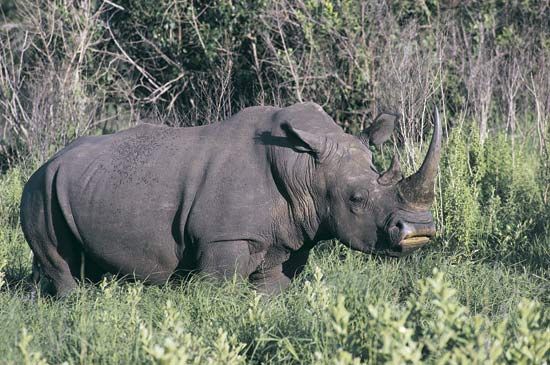
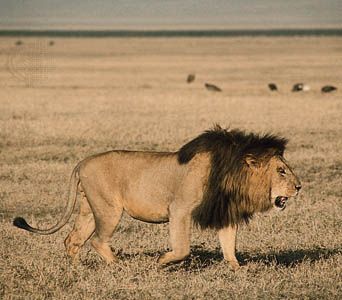
Beyond the immediate riverbanks, the surrounding landscape varies significantly, influencing the distribution of animals. In the semidesert regions of the river’s middle course, the thornbushes and thickets provide habitat for various species, including elephants, rhinoceroses, lions, leopards, giraffes, and several types of antelope such as the gerenuk, impala, and dik-dik.3
The river’s path from the highlands to the coast creates a vital corridor for these animals, though human encroachment and environmental changes remain ongoing challenges for wildlife conservation in the region.31
Sources
- Tana River — Encyclopædia Britannica
- Kenya - Resources and power — Encyclopædia Britannica
- Kenya - Plant and animal life — Encyclopædia Britannica
Published on · 2 min read