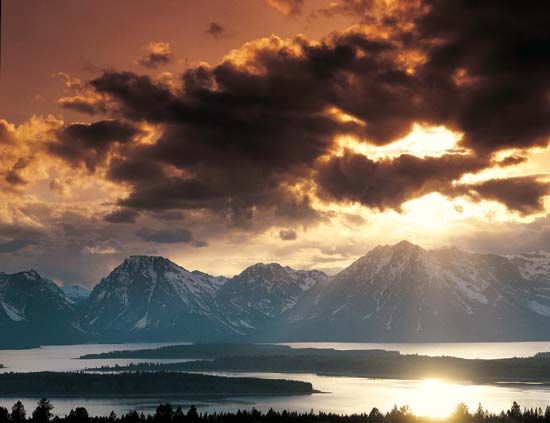
Olympic National Park
The Olympic Peninsula has been home to various Native American peoples for thousands of years, with archaeological evidence at sites like Ozette…
What Native American tribes have historical connections to the Olympic Peninsula?
The Olympic Peninsula has been home to various Native American peoples for thousands of years, with archaeological evidence at sites like Ozette demonstrating long-standing traditions of fishing and hunting seals and whales.1
Among the tribes with historical connections to the region, the Makah are specifically identified as part of the Coast Salish–Chinook cultural province. Additionally, the Quinault are recognized as one of the larger tribes historically associated with western Washington. These groups are part of the broader Northwest Coast Indian culture area, which is characterized by distinct social and linguistic traditions developed over millennia.21
While many tribes in the region were eventually moved to reservations by the end of the 19th century, these groups maintain deep ancestral ties to the peninsula’s unique ecosystems and resources.1
Where is Olympic National Park located, and what makes its geography unique?
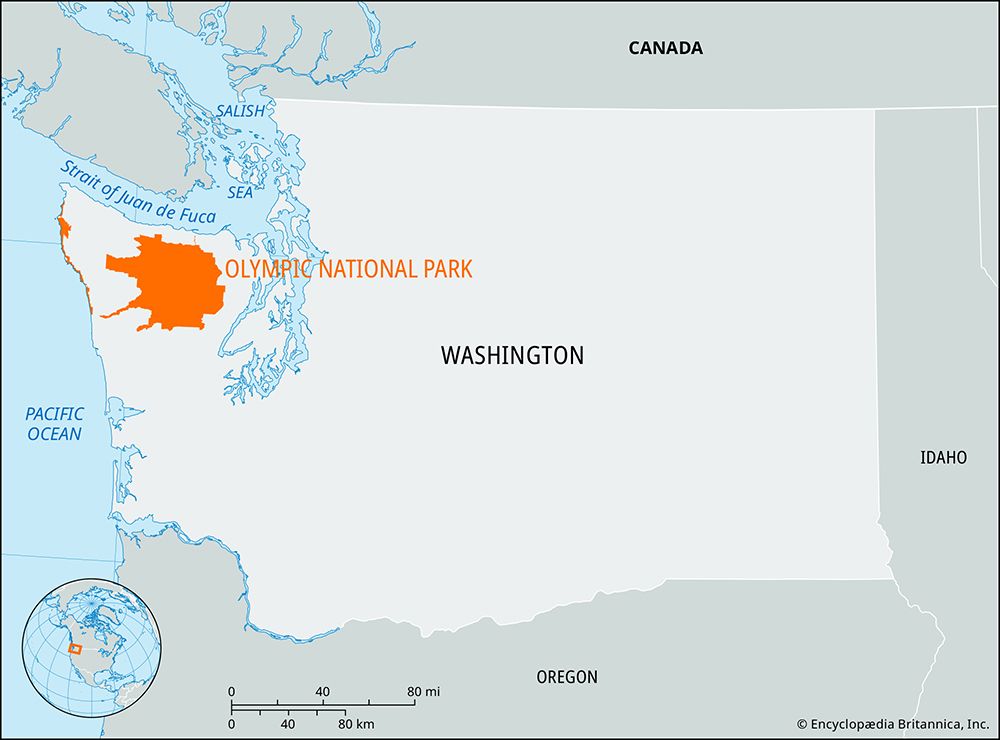
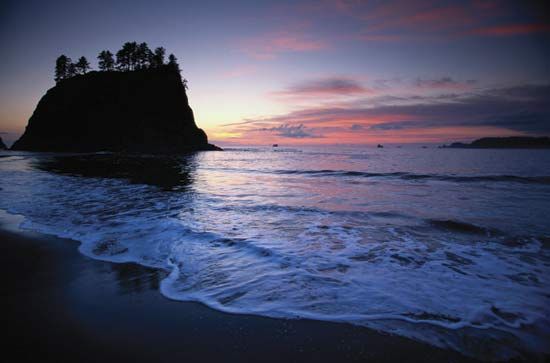
Olympic National Park is located on the Olympic Peninsula in northwestern Washington, U.S. It encompasses two distinct units: a mountainous interior dominated by the Olympic Mountains and a narrow, 60-mile-long strip of Pacific coastline.5
The park’s geography is uniquely diverse due to extreme variations in precipitation and elevation:
- Temperate Rainforests: The western slopes of the mountains receive heavy rainfall, supporting the largest old-growth temperate rainforest in the Western Hemisphere, characterized by massive conifers and dense mosses.5
- Glacial Peaks: The range features rugged peaks, including Mount Olympus, which holds active glaciers.54
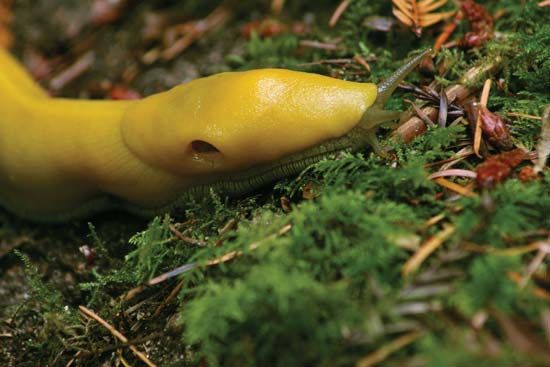
- Endemic Species: The region’s isolation has fostered the evolution of unique flora and fauna, such as the Olympic marmot and Flett’s violet.54
- Varied Ecosystems: While the west is lush and wet, the eastern slopes are drier, featuring subalpine meadows and lakes.5
How does Olympic National Park contribute to scientific research and environmental education?
Olympic National Park serves as a vital site for scientific study and environmental education, primarily by preserving diverse, largely undisturbed ecosystems that allow researchers to observe natural processes in a wilderness setting. Because nearly the entire park was declared a wilderness area in 1988, it provides a protected laboratory for studying endemic species—such as the Olympic marmot and the Olympic torrent salamander—and the complex dynamics of old-growth temperate rainforests.
The park also facilitates public learning through its visitor centers, located at the park headquarters, the Hoh Rainforest, and Hurricane Ridge. These facilities feature exhibits specifically designed to educate the public on the natural history of the Olympic Peninsula, including its unique geology, glacial activity, and biological diversity. By maintaining these educational spaces and protecting vast tracts of land, the park supports ongoing efforts to understand and conserve the region’s ecological health.
What are some of the most popular hiking trails in Olympic National Park?
Olympic National Park offers an extensive network of over 600 miles (1,000 km) of hiking trails that provide access to its diverse ecosystems, ranging from rugged mountain peaks to coastal shorelines. While the park does not designate specific trails as “most popular” in its primary documentation, the following areas are key hubs for hikers:5
- Hurricane Ridge: Accessible via a spectacular drive from Port Angeles, this area serves as a primary gateway to the northern Olympic Mountains, offering trails that lead into the mountainous interior.5
- Hoh Rainforest: This area features trails through the largest old-growth temperate rainforest in the Western Hemisphere, where hikers can experience the dense, moss-covered landscape.5
- Coastal Strip: The park’s coastal unit includes a 60-mile-long strip of Pacific shoreline, providing unique hiking opportunities along scenic beaches, islets, and points.5
- Crescent Lake: Located in the northwestern part of the park, this area offers trails near the water and serves as a base for exploring the surrounding forest.5
Sources
- Northwest Coast Indian: Top Questions — Encyclopædia Britannica
- Washington - Native Americans and early European explorers — Encyclopædia Britannica
- Yakama — Encyclopædia Britannica
- Olympic Mountains — Encyclopædia Britannica
- Olympic National Park — Encyclopædia Britannica
- Olympic National Park — Merriam-Webster
- Washington - Relief and drainage — Encyclopædia Britannica
- Temperate rainforest — Encyclopædia Britannica
- Everglades National Park: Top Questions — Encyclopædia Britannica
Published on · 3 min read