7 Wonders of America
There is no single, universally recognized list of the "7 Wonders of America." However, lists of American wonders are often compiled based on national parks…
What are 7 Wonders of America?
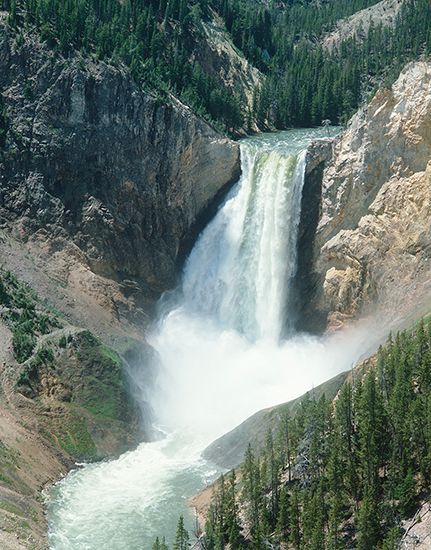
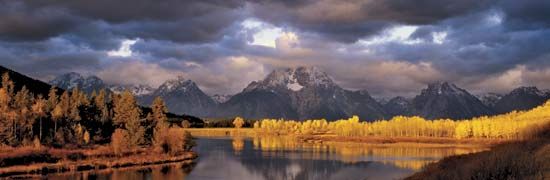
There is no single, universally recognized list of the “7 Wonders of America.” However, lists of American wonders are often compiled based on national parks and scenic locations. One prominent selection of seven of the best national parks in the United States includes:
- Yellowstone National Park: The world’s first national park, famous for its geysers, hot springs, and diverse wildlife.1
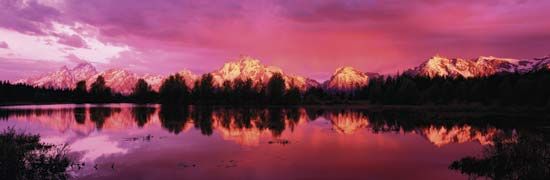
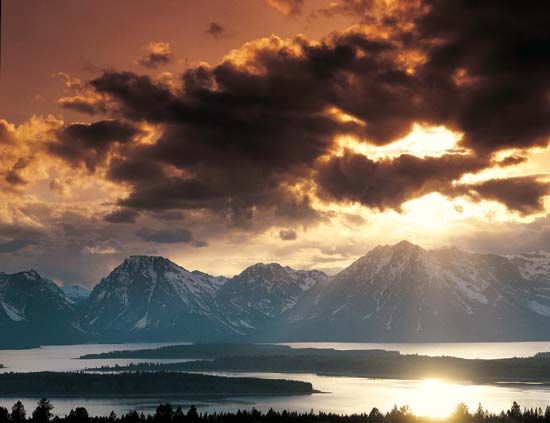
- Grand Teton National Park: Known for the dramatic, jagged peaks of the Teton Range and its scenic, lake-filled valleys.1
- Grand Canyon National Park: A massive, iconic chasm in Arizona carved by the Colorado River.1
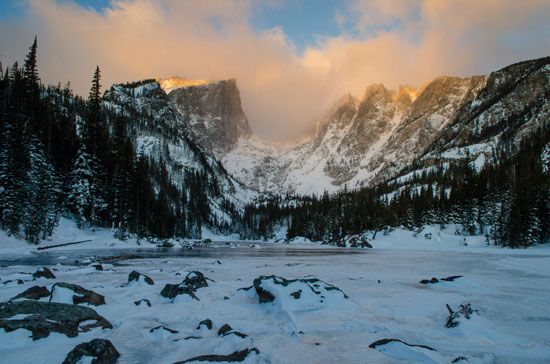
- Rocky Mountain National Park: A high-altitude park in Colorado featuring numerous peaks over 12,000 feet.1
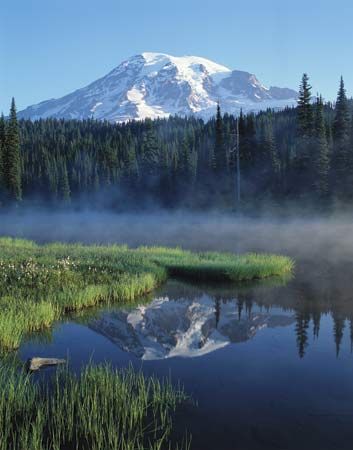
- Mount Rainier National Park: Home to a massive, glacier-covered dormant volcano in Washington.1
- Olympic National Park: An ecologically diverse area in Washington known for its temperate rainforests and rugged coastline.1
- Mammoth Cave National Park: Located in Kentucky, it contains the largest known cave system in the world.1
What are some of the most famous man-made landmarks in the United States?
The United States is home to numerous iconic man-made landmarks that reflect its history, political ideals, and architectural evolution. While there is no single official list, the following sites are among the most famous:
- Statue of Liberty: A universal symbol of freedom located in New York Harbor, this copper sculpture was a gift from France to commemorate the centennial of the U.S. Declaration of Independence.5
- Washington Monument: A 555-foot marble obelisk in Washington, D.C., dedicated to the first U.S. president.6
- Lincoln Memorial: Designed in the Greek Revival style, this monument serves as a powerful site for civil rights gatherings and honors Abraham Lincoln.6
- Jefferson Memorial: A white marble temple inspired by the Pantheon in Rome, featuring inscriptions from Thomas Jefferson’s writings.6
- United States Capitol: A central symbol of American democracy, known for its neoclassical architecture and the Statue of Freedom atop its dome.67
- Vietnam Veterans Memorial: A poignant, chevron-shaped black granite wall in Washington, D.C., that lists the names of those killed or missing during the Vietnam War.6
- National World War II Memorial: An oval plaza featuring fountains and pillars that commemorate the Americans who served during the war.6
How do UNESCO World Heritage sites differ from national parks?
The primary difference between a national park and a UNESCO World Heritage site lies in their designation and purpose.
A national park is an area set aside by a national government to preserve the natural environment, often for public recreation, scientific interest, or wildlife conservation. These areas are managed by national authorities, such as the National Park Service in the United States, which oversees the land’s maintenance and public access.910
In contrast, a World Heritage site is a designation granted by UNESCO to areas or objects recognized for their “outstanding universal value” under the 1972 Convention Concerning the Protection of the World Cultural and Natural Heritage. This status provides a framework for international cooperation in protecting cultural treasures and natural areas.1112
Notably, these categories are not mutually exclusive; many national parks, such as Kaziranga National Park, are also designated as World Heritage sites to provide additional international recognition and protection for their unique significance.13
What are the geological processes that created the Grand Canyon?
The formation of the Grand Canyon is the result of a complex interplay between tectonic uplift and relentless erosion, a process that began approximately six million years ago.1415
The Role of the Colorado River
The primary force behind the canyon’s depth is the Colorado River. Its rapid velocity and massive load of sediment—historically averaging 500,000 tons per day—allowed it to act as a powerful cutting tool, carving deep into the rock layers of the Colorado Plateau.1415
Tectonic Uplift
The uplift of the Colorado Plateau was a critical geological event that steepened the river’s path. This increase in gradient enabled the river to entrench itself deeply into the earth, eventually reaching depths of more than a mile.1415
Widening and Sculpting
While the river cut downward, other forces shaped the canyon’s vast width and distinctive topography:
- Weathering: Rain, wind, and temperature fluctuations continuously wore away the canyon walls.1415
- Chemical Erosion: This process helped break down softer rock layers.1415
- Climate: The region’s semiarid climate was essential; it prevented excessive slope wash from eroding the walls entirely, thereby preserving the canyon’s dramatic, stair-step structure.1415
Sources
- Seven Wonders of the World — Encyclopædia Britannica
- 7 Wonders of America — Encyclopædia Britannica
- Western architecture - United States — Encyclopædia Britannica
- New Seven Wonders of the World — Encyclopædia Britannica
- 9 Memorials and Monuments in the United States - Statue of Liberty — Encyclopædia Britannica
- Washington, D.C. - Monuments and memorials — Encyclopædia Britannica
- list of World Heritage sites - United States of America — Encyclopædia Britannica
- Western architecture - United States — Encyclopædia Britannica
- World Heritage site — Encyclopædia Britannica
- National Park Service - Establishment of the NPS — Encyclopædia Britannica
- national park — Encyclopædia Britannica
- UNESCO: Top Questions — Encyclopædia Britannica
- Kaziranga National Park: Top Questions — Encyclopædia Britannica
- How was the Grand Canyon formed? — Encyclopædia Britannica
- Grand Canyon - Geologic history — Encyclopædia Britannica
- Grand Canyon Series — Encyclopædia Britannica
- North America - 30 to 2.5 million years ago — Encyclopædia Britannica
Published on · 4 min read