Orinoco Crocodile
The Orinoco crocodile (Crocodylus intermedius) is a large, critically endangered species of crocodile native to the Orinoco River basin in Colombia and…
What is an Orinoco crocodile?
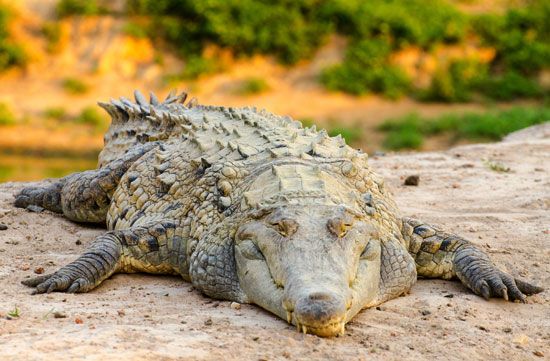
The Orinoco crocodile (Crocodylus intermedius) is a large, critically endangered species of crocodile native to the Orinoco River basin in Colombia and Venezuela. As the largest living predator in South America, it can reach lengths of up to 6.7 meters (21.9 feet) and weigh over 400 kg (882 pounds).12
Physically, the species is distinguished by a longer, narrower snout than most other crocodiles and a lighter coloration, ranging from yellowish to brownish gray. It occupies an apex predator position in its habitat, feeding primarily on birds, fishes, and small mammals like capybaras.1
Historically, the population was decimated by commercial hunting for its hide during the 20th century. Today, despite captive breeding and release programs, the species remains critically endangered due to ongoing habitat loss and pollution.1
Where does the Orinoco crocodile live?
The Orinoco crocodile (Crocodylus intermedius) is native to the Orinoco River basin, which spans parts of Colombia and Venezuela.1
Within this region, the species inhabits a variety of freshwater environments, including:
These crocodiles rely on these diverse freshwater habitats to bask, swim, and regulate their body temperatures. During the dry season, they may also utilize burrows dug into riverbanks for shelter.1
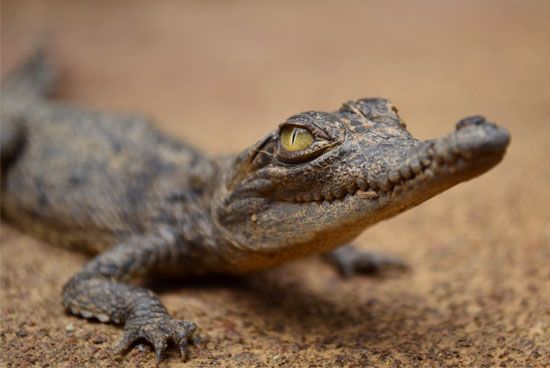
What does the Orinoco crocodile look like?
The Orinoco crocodile (Crocodylus intermedius) is one of the largest living crocodiles, with massive individuals reaching lengths of up to 6.7 meters (21.9 feet) and weighing over 400 kg (882 pounds).1
Key physical characteristics include:
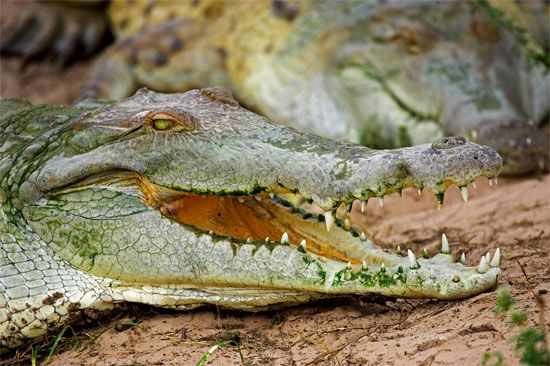
- Snout: They possess a longer and narrower snout compared to most other crocodile species.1
- Dentition: Their jaws are equipped with 68 teeth.1
- Coloration: Their bodies are generally lighter in color than other crocodiles, featuring tones that range from yellowish to deep brownish gray. These base colors are often accented by faded darker spots or bands.1
- Juveniles: Young crocodiles exhibit similar coloration but feature more pronounced dark bands across their bodies and tails.1
Like other members of the order Crocodilia, their bodies are covered in scales arranged in a regular pattern, with thick, bony plates located on their backs.17
What does the Orinoco crocodile eat?
The Orinoco crocodile is an apex predator with a generalist diet, meaning it consumes a wide variety of prey within its food chain.1
- Adult Diet: While a fully grown adult is capable of consuming almost any animal in its habitat, it primarily feeds on fishes, large birds, capybaras, and other small mammals.1
- Juvenile Diet: Young crocodiles have a different diet, supplementing small fish with invertebrates such as snails, crabs, and insects.1
- Feeding Behavior: These crocodiles are ambush predators that wait in the water to strike suddenly at prey that ventures too close.1
- Cannibalism: Larger individuals have also been observed engaging in cannibalism by eating smaller members of their own species.1
Sources
- Orinoco crocodile — Encyclopædia Britannica
- Orinoco crocodile — Merriam-Webster
- crocodile - Form and function — Encyclopædia Britannica
- Orinoco River — Encyclopædia Britannica
- crocodile - Distribution and abundance — Encyclopædia Britannica
- Orinoco River - Animal life — Encyclopædia Britannica
- crocodile - Size range and diversity of structure — Encyclopædia Britannica
Published on · 2 min read