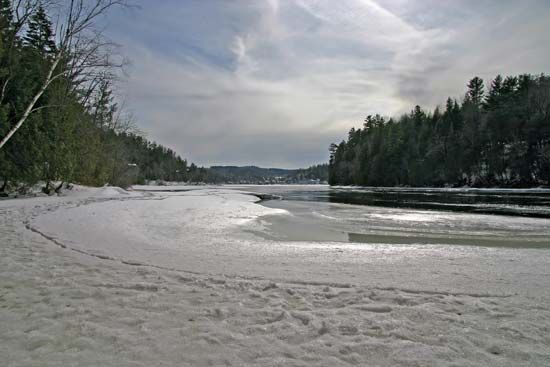
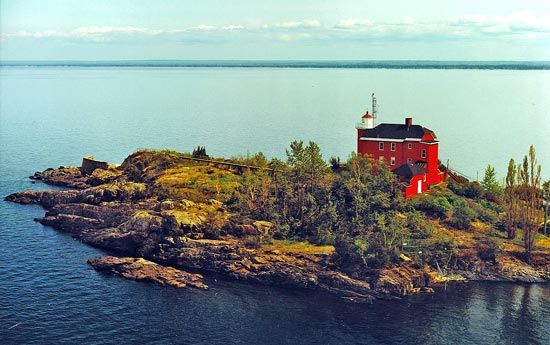
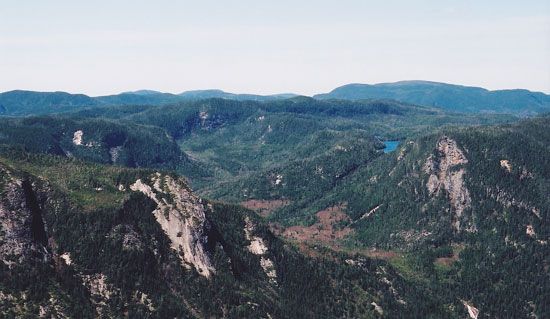
Ottawa River
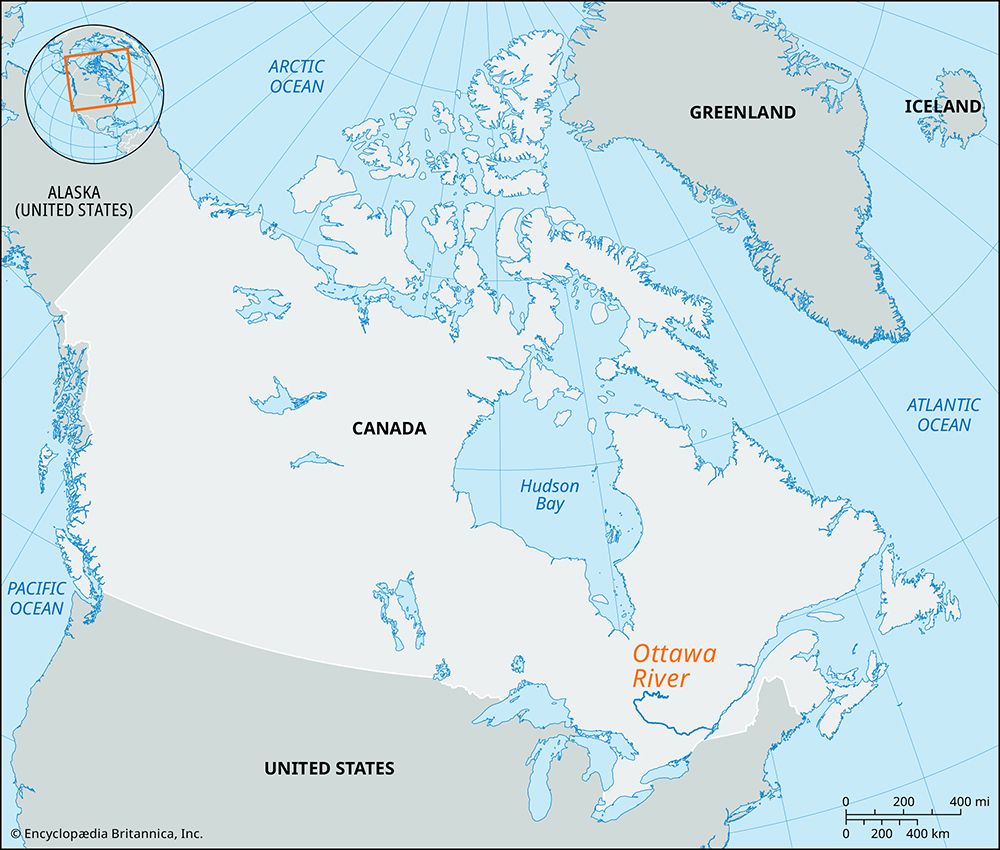
The Ottawa River has been the central influence on the development of the national capital region, serving as both a physical boundary and an economic…
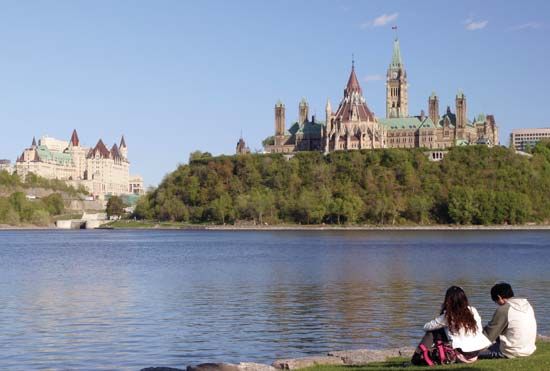
How does the Ottawa River impact urban development and city planning in Ottawa and Gatineau?
The Ottawa River has been the central influence on the development of the national capital region, serving as both a physical boundary and an economic catalyst. Historically, the river facilitated the fur trade and became the backbone of the 19th-century timber industry, which spurred the initial settlement of Ottawa and Gatineau (formerly Hull).123
The river’s geography shaped urban planning in several key ways:
- Industrial Foundations: The river’s Chaudière Falls provided essential hydroelectric power that fueled early industrial growth, particularly in pulp and paper.13
- Capital Redevelopment: In the 20th century, the Gréber Plan sought to transform the city from an industrial mill town into a national capital. This involved removing rail lines and industry from the waterfront to prioritize parkland and federal aesthetics.2
- Regional Integration: The creation of the National Capital Region unified land on both the Ontario and Quebec sides of the river, leading to the decentralization of federal administrative buildings across both banks.2
Today, the river serves as a scenic and recreational anchor, featuring the Capital Pathway and proximity to Gatineau Park.
How is the Ottawa River used for hydroelectric power generation?
The Ottawa River serves as a significant source of hydroelectric power in Canada, with several hydroelectric plants operating along its course to supply electricity to both Ontario and Quebec.1
The generation of power is facilitated by the river’s geography and flow. Key aspects include:
- Regional Supply: Multiple hydro plants utilize the river’s water to generate power for a large portion of the two provinces.1
- Tributary Contribution: The Gatineau River, a major tributary that joins the Ottawa River at Hull, also became an important source of hydroelectric power during the 20th century.12
- Infrastructure Integration: In some cases, infrastructure originally built for other purposes, such as the Rideau Canal, has been maintained in part because the associated dams are utilized for hydroelectric power generation.6
Additionally, the region hosts specialized energy research, such as the nuclear facility at Chalk River, which has been operational since 1944.1
What is the geographical location and length of the Ottawa River?
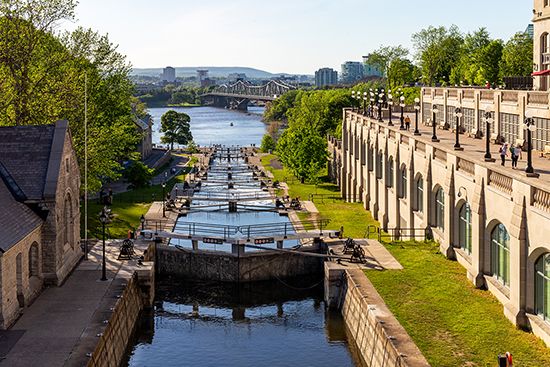
The Ottawa River is located in east-central Canada and serves as the primary tributary of the St. Lawrence River. It originates in the Laurentian Plateau of western Quebec and flows westward to Lake Timiskaming before turning southeastward. For the majority of its course, the river functions as the provincial border between Quebec and Ontario before joining the St. Lawrence River west of Montreal.1
The total length of the Ottawa River is 790 miles (1,270 km).1
How does the Ottawa River contribute to Canada’s history and indigenous culture?
The Ottawa River has played a foundational role in Canadian history and is deeply connected to the heritage of Indigenous peoples.
Indigenous Roots and Culture
The river valley was the traditional territory of the Algonquin First Nation, who established early settlements along its banks. The river is also namesake to the Ottawa (Outaouais) people, whose name is believed to derive from an Algonquian word meaning “to trade”. Historically, the Ottawa were renowned as skilled middlemen in intertribal commerce, utilizing the river and surrounding waterways to trade goods such as furs, tobacco, and medicinal herbs.182
Historical Significance
- Exploration and Trade: Following Samuel de Champlain’s 1613 exploration, the river became a vital artery for explorers, missionaries, and fur traders traveling to the upper Great Lakes.18
- Economic Development: In the 19th century, the river became the economic engine of the region through the timber trade, driven by high demand for shipbuilding materials.18
- Strategic Infrastructure: During the War of 1812, the vulnerability of the St. Lawrence River led to the construction of the Rideau Canal, which diverted traffic through the Ottawa River to ensure secure transportation.8
Sources
- Ottawa River — Encyclopædia Britannica
- Ottawa - History — Encyclopædia Britannica
- Gatineau River — Encyclopædia Britannica
- Ottawa - The contemporary city — Encyclopædia Britannica
- Ottawa — Encyclopædia Britannica
- Rideau Canal — Encyclopædia Britannica
- Ontario - Drainage — Encyclopædia Britannica
- Ottawa — Encyclopædia Britannica
Published on · 3 min read