Gatineau River
The Gatineau River is a river located in the Outaouais region of southwestern Quebec, Canada. It originates in a chain of lakes north of the Baskatong…
What is Gatineau River?
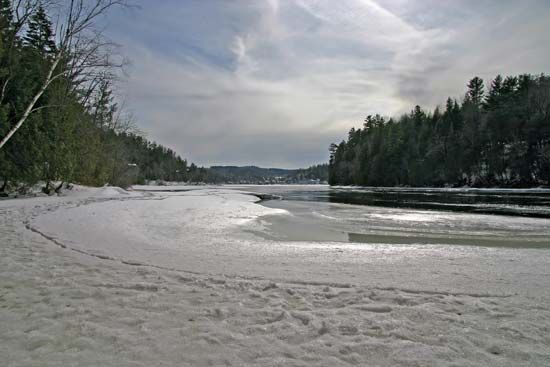
The Gatineau River is a river located in the Outaouais region of southwestern Quebec, Canada. It originates in a chain of lakes north of the Baskatong Reservoir and flows southward for approximately 240 miles (390 km) before joining the Ottawa River at Hull.12
The river is named after Nicolas Gatineau, a fur trader who reportedly drowned in its waters around 1683. Historically, the river served as a vital artery for the lumber trade, facilitating the transport of logs to mills. In the 20th century, it transitioned into a significant source of hydroelectric power. The city of Gatineau, which straddles the river’s mouth, derives its name from the waterway and has long utilized it for its pulp and paper manufacturing industry.132
How did the lumber industry shape the development of Quebec?
The lumber industry played a pivotal role in the economic development of Quebec, particularly from the early 19th century through the mid-1800s. During this period, a surge in British demand for forest products fueled the economy, establishing the industry as a primary driver of growth.43
The impact of the lumber trade was multifaceted:
- Economic Engine: Lumbering became the economic engine of the region, stimulating significant local industries such as shipbuilding in Quebec City. Profits from timber exports, alongside wheat, provided the capital necessary to improve the navigability of the St. Lawrence River and establish essential financial institutions.435
- Settlement and Livelihood: The forestry industry provided vital supplemental income for habitants (tenant farmers) under the seigneurial system, allowing them to diversify their livelihoods beyond agriculture.6
- Regional Development: Rivers such as the Gatineau River served as major arteries for transporting logs to mills, which in turn supported the growth of surrounding communities.1
- Industrial Transition: While the initial boom eventually faced challenges from technological shifts—such as the move toward steam- and steel-based shipping—the industry laid the groundwork for later developments, including the establishment of pulp and paper mills in the 20th century, often powered by hydroelectric power, often powered by hydroelectric power.47
What is the role of hydroelectric power in Canada today?
Hydroelectric power remains a cornerstone of Canada’s energy landscape, with the country possessing approximately one-sixth of the world’s total installed hydroelectric generating capacity. Currently, three-fifths of Canada’s electricity is generated from these hydroelectric sources.8
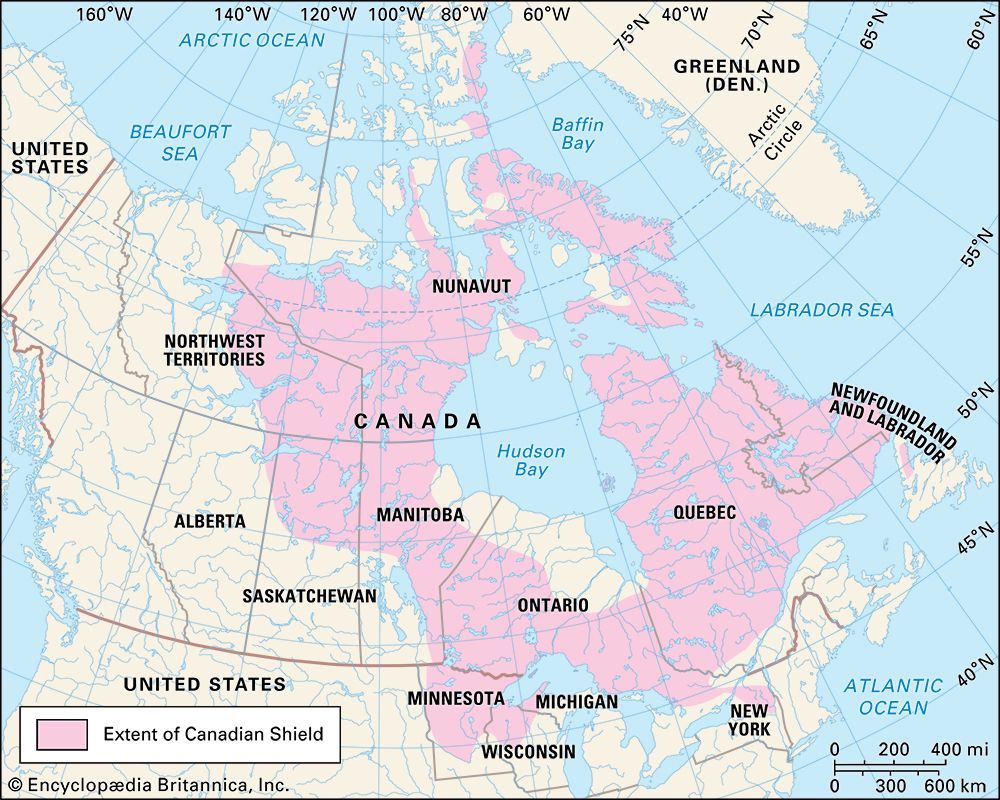
The nation’s geography, particularly the rivers of the Canadian Shield that fall abruptly over the edge of the plateau, provides an abundance of suitable sites, especially within Quebec and Ontario. These resources are integrated into extensive power grids, including those connected to major sites like Niagara Falls. While most of the country’s most suitable hydroelectric sites have already been highly developed, Canada continues to maintain a surplus of electricity, which it can export.98
In contrast to other energy sectors, hydroelectricity provides a reliable, renewable foundation for the country’s power needs, even as Canada balances its energy portfolio with nuclear power and thermal energy sources.8
Who was Samuel de Champlain and what did he explore?
Samuel de Champlain was a French navigator and explorer, often called the “Father of New France,” who was instrumental in the expansion of French influence in North America.11
His explorations and achievements include:
- Founding Quebec: In 1608, he established a settlement at Quebec, serving as a strategic fur-trading post and the foundation for French colonization.1112
- Early Expeditions: Before Quebec, he explored Acadia and surveyed the coast southward to Stage Harbor12.
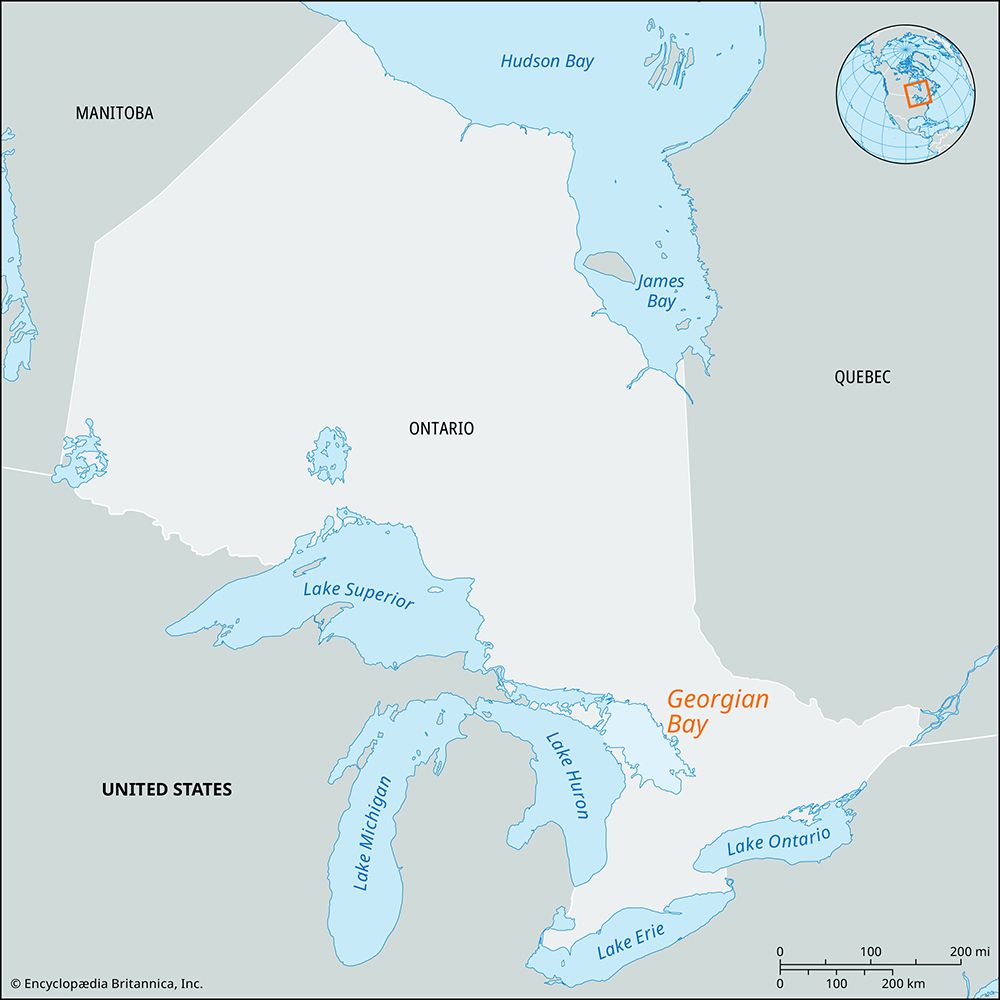
- Inland Exploration: He mapped significant regions, including the Ottawa River, northern New York, and the eastern Great Lakes. In 1615, he reached Georgian Bay and the land of the Huron, securing a vital trade route for the French.1112
- Alliances: His explorations were deeply tied to French alliances with the Algonquin and Huron, which led to his involvement in conflicts against the Iroquois Confederacy.12
Sources
- Gatineau River — Encyclopædia Britannica
- Gatineau — Encyclopædia Britannica
- Ottawa River — Encyclopædia Britannica
- Quebec - History — Encyclopædia Britannica
- Quebec - Settlement patterns — Encyclopædia Britannica
- Quebec - Economy of Quebec — Encyclopædia Britannica
- Quebec - Manufacturing of Quebec — Encyclopædia Britannica
- Canada - Energy — Encyclopædia Britannica
- North America - Hydroelectricity of North America — Encyclopædia Britannica
- turbine - Electric power generation — Encyclopædia Britannica
- Samuel de Champlain: Top Questions — Encyclopædia Britannica
- Canada - Samuel de Champlain — Encyclopædia Britannica
Published on · 3 min read