Pasig River
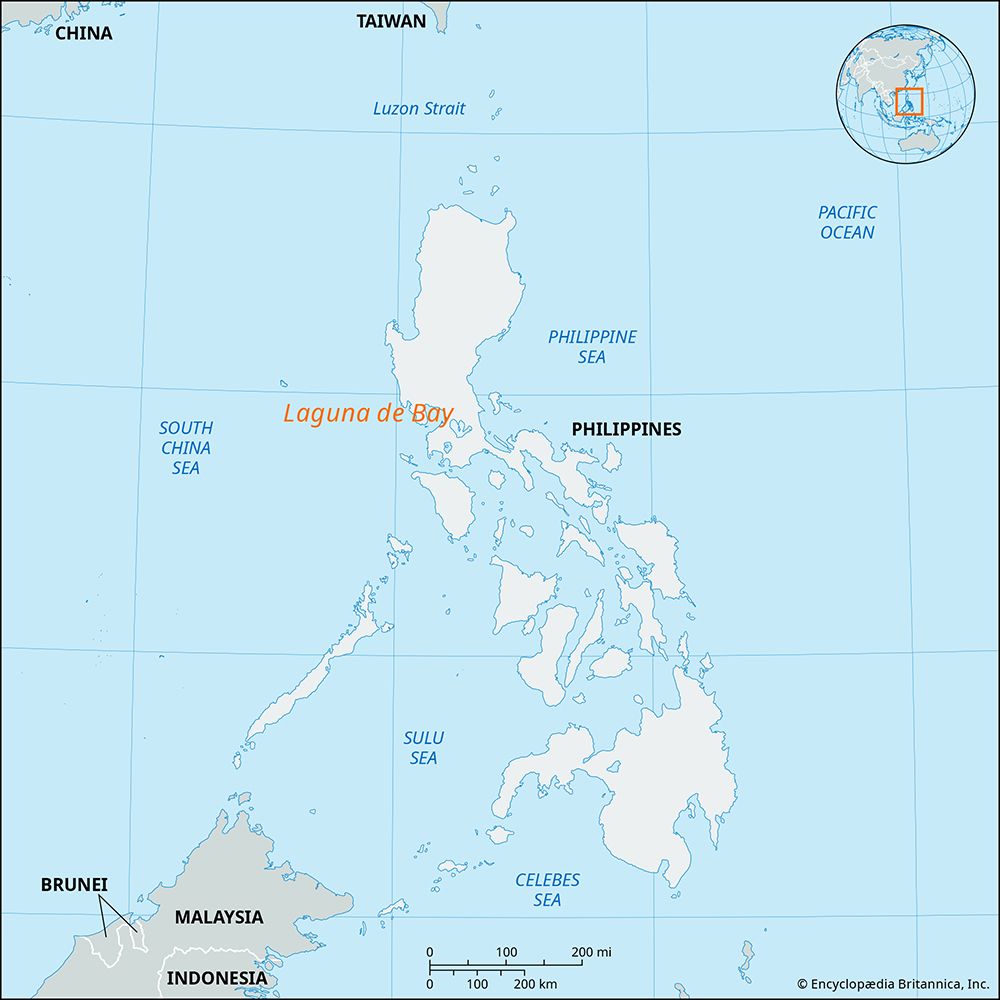
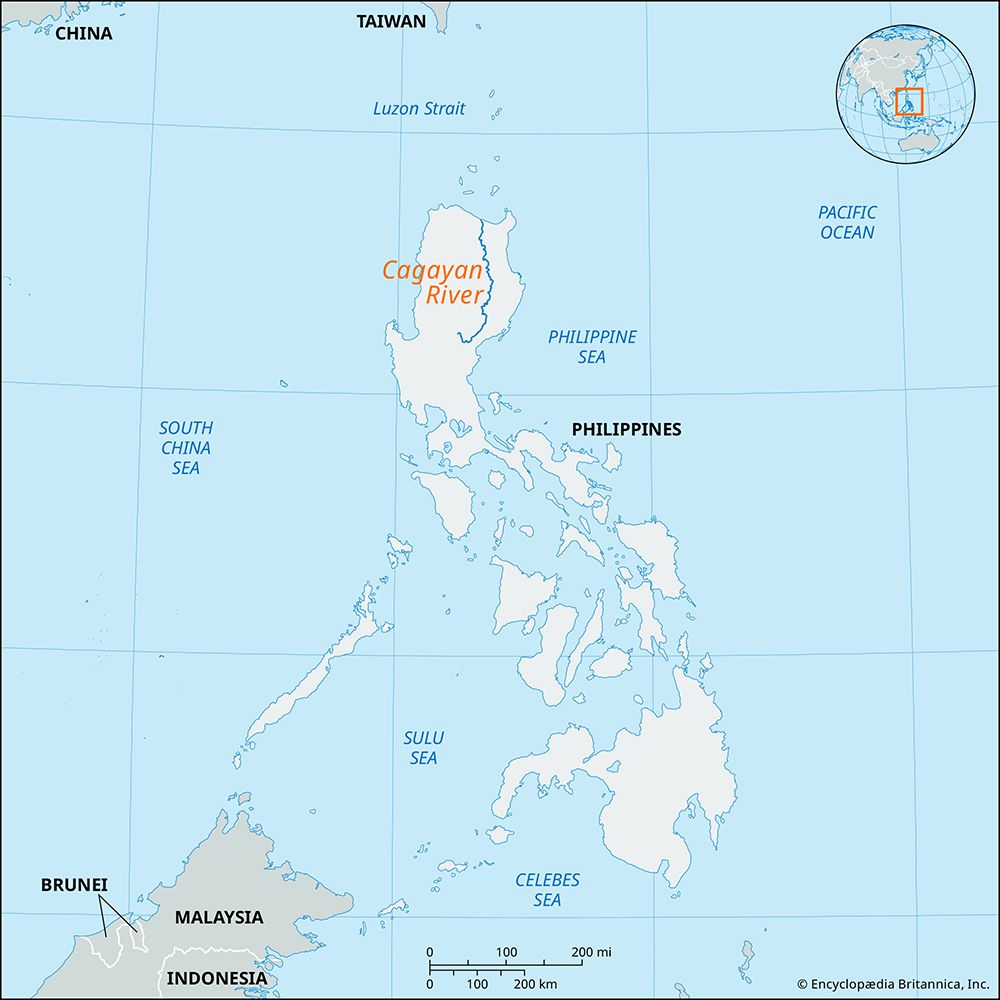
The Pasig River is a 14-mile (23-km) waterway located on the island of Luzon in the Philippines. It serves as the drainage outlet for Laguna de Bay, the…
What is Pasig River?
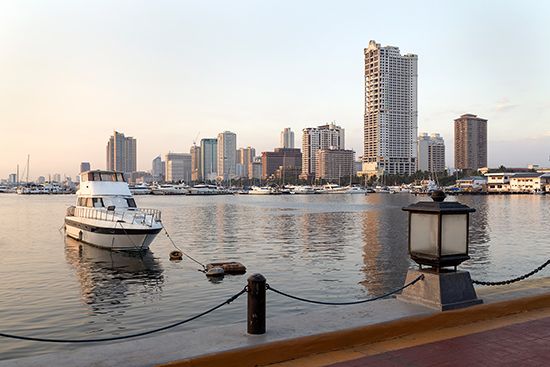
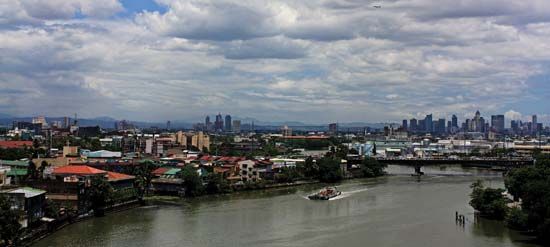
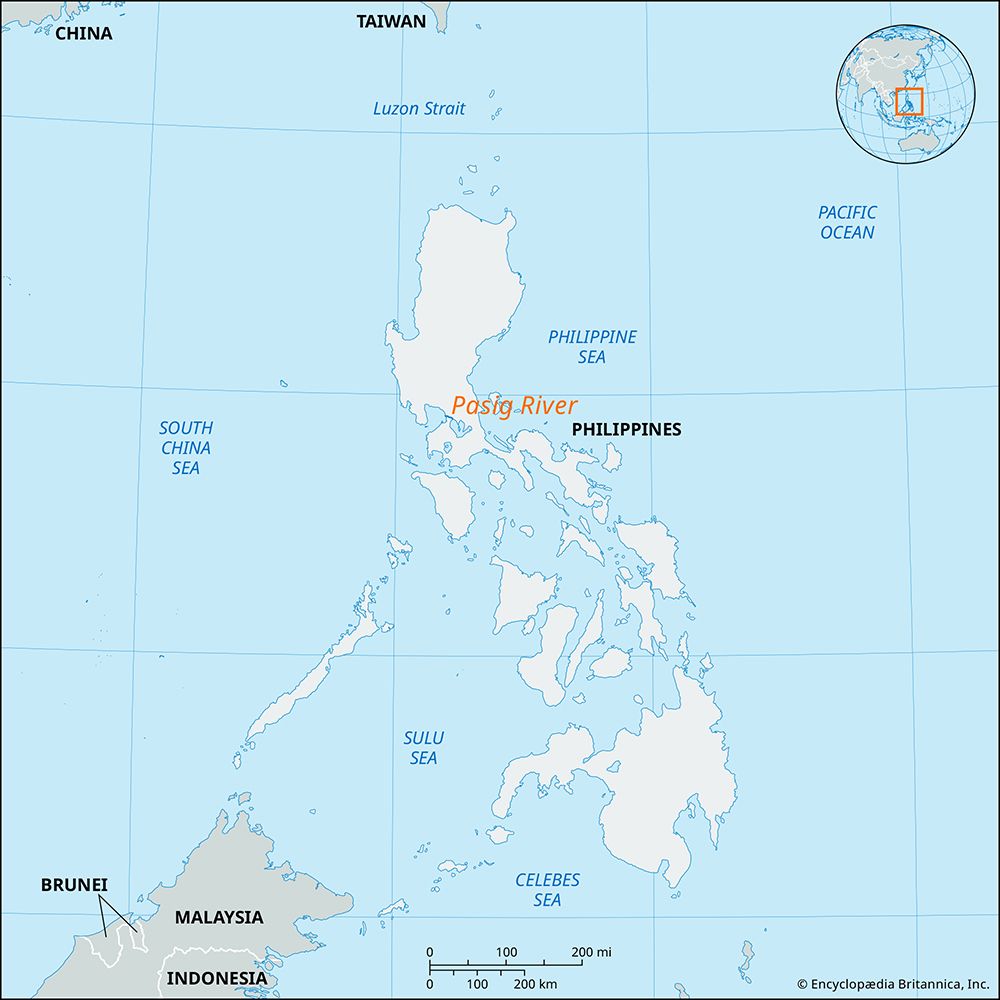
The Pasig River is a 14-mile (23-km) waterway located on the island of Luzon in the Philippines. It serves as the drainage outlet for Laguna de Bay, the country’s largest lake, flowing north-northwest through the city of Pasig and bisecting the city of Manila before emptying into Manila Bay.12
Historically, the river was a vital hub for interisland trade during the Spanish colonial period, supporting a significant population living on barges and rafts. Today, the river is a shallow, sluggish stream spanned by nine bridges. While it remains navigable for small craft, its former importance as a major port has diminished over time.1
How does the Pasig River impact the city of Manila today?
The Pasig River remains a defining feature of Manila, physically and functionally shaping the city today.
Geographic and Urban Impact
The river bisects the city, serving as a primary landmark that divides Manila into two distinct sections connected by several bridges. Approximately two-thirds of the city’s districts are located to the north of the river, while the remaining third lies to the south. The city itself occupies the low, narrow deltaic plain created by the river as it flows northwestward toward Manila Bay.13
Economic and Administrative Role
While the river’s historical function as a major port for interisland trade has diminished, it continues to influence the city’s layout and commerce. The river’s mouth is flanked by major maritime infrastructure: the Manila North Harbor is adjacent to the northern shore, while the Manila South Harbor—the city’s main international port—is situated on the southern shore. Additionally, the river provides access to inland agricultural areas, supporting the city’s status as a significant port site.413
What are the main environmental challenges facing the river?
Sorry, the Britannica knowledge base does not contain information regarding the specific environmental challenges facing the Pasig River.
Why was the Pasig River important during the Spanish colonial period?
During the Spanish colonial period, the Pasig River was vital to the development and economy of the region. Its strategic location at the mouth of the river led to the founding of Intramuros—the fortified Spanish capital—by Miguel López de Legazpi shortly after 1571.
The river served as a critical hub for commerce, with its wharves and quays facilitating early interisland trade. Beyond its role in maritime logistics, the river supported a significant population that lived on barges and rafts, making it a central artery for both transportation and daily life in the colonial city.
Sources
- Pasig River — Encyclopædia Britannica
- Pasig — Merriam-Webster
- Manila - City layout — Encyclopædia Britannica
- Manila - City site — Encyclopædia Britannica
- Intramuros — Encyclopædia Britannica
Published on · 2 min read