Peanut Worm
Peanut worms, members of the phylum Sipuncula, are exclusively benthic (bottom-dwelling) marine animals. While they can be found on seabeds throughout the…
What types of habitats do peanut worms prefer within the marine environment?
Peanut worms, members of the phylum Sipuncula, are exclusively benthic (bottom-dwelling) marine animals. While they can be found on seabeds throughout the world’s oceans, their preferred habitats vary significantly depending on the species:
- Burrowing environments: Many species burrow into mud or sand, ranging from intertidal zones to the deep oozes of ocean trenches.
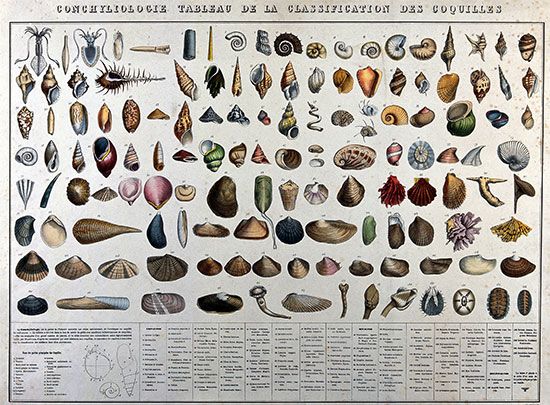
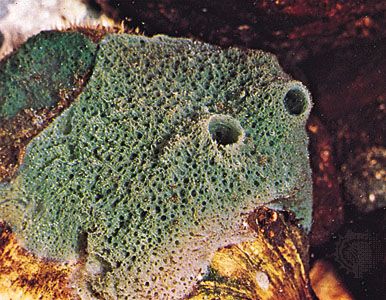
- Protective structures: Some species inhabit discarded mollusk shells or reside within sponge siphons.
- Biogenic habitats: They are also found living within corals, among the tubes of encrusting polychaetes (annelid worms), and nestled within the tangled roots of marine plants.
What is the life cycle of a peanut worm?
The life cycle of a peanut worm (phylum Sipuncula) involves a process of external fertilization and a free-swimming larval stage.
- Reproduction: The sexes are separate but typically look alike. Mature germ cells (gametes) are released into the body cavity, where they collect in specialized excretory organs called nephridia. These organs serve as storage for eggs and sperm before the gametes are emitted into the sea through nephridiopores.1
- Fertilization: Fertilization occurs externally in the marine environment after the gametes are shed.1
- Development: The resulting zygote undergoes spiral cleavage to develop into a trochophore larva. This free-swimming larva eventually undergoes metamorphosis to develop into the characteristic adult form of the peanut worm.1
What are the unique physical characteristics of peanut worms?
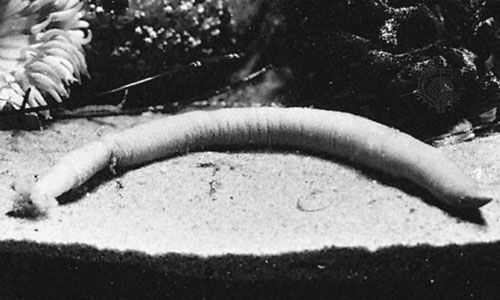
Peanut worms, belonging to the phylum Sipuncula, are distinct from other worm-like invertebrates due to several unique physical characteristics:
- Body Structure: Unlike annelids, peanut worms have unsegmented bodies that are typically cylindrical or globular in shape. They also lack setae (bristles) entirely.1
- The Introvert: A defining feature is the slender, anterior “introvert,” a muscular and highly extensible proboscis that can be retracted into the trunk by specialized retractor muscles.1
- Feeding Apparatus: The mouth is located at the end of the introvert and is usually surrounded by one or more rings of tentacles.1
- Internal Anatomy: They possess a long alimentary canal that spirals backward to the posterior of the trunk before returning to a dorsal anus near the anterior end. Their coelomic fluid contains blood cells with hemerythrin, a respiratory pigment.1
- Surface Features: The skin often features hooks or spines near the tip of the introvert, with glandular pores and papillae scattered across both the trunk and the introvert.1
How do peanut worms feed and what is their role in the marine ecosystem?
Peanut worms (phylum Sipuncula) are primarily bottom-dwelling, or benthic, organisms that occupy a variety of marine habitats.
Feeding Mechanisms
Peanut worms feed using their specialized anterior structure known as the “introvert.” This retractable proboscis features a mouth at its tip, which is typically surrounded by one or more rings of tentacles. These tentacles are used to collect food particles from the surrounding environment. The internal anatomy supports this process through a contractile vessel associated with the esophagus, which pumps fluid into the tentacles to extend them; as the tentacles contract, the fluid returns to the vessel, facilitating the intake of nutrients into the long, spiraling alimentary canal.
Role in the Marine Ecosystem
As benthic animals, peanut worms play a role in the ecology of seabeds and various micro-habitats. They are commonly found burrowing in mud, sand, or the oozes of deep ocean trenches. Beyond burrowing, they occupy diverse niches, including:
- Discarded mollusk shells.
- Sponge siphons and cavities.
- Crevices within corals.
- Tangled roots of marine plants and the tubes of encrusting polychaetes.
By inhabiting these spaces, they contribute to the biodiversity of the seafloor and the complex associations found within marine substrates.
Sources
- peanut worm — Encyclopædia Britannica
- sponge - Sexual reproduction — Encyclopædia Britannica
- Circulatory system - Hemichordata — Encyclopædia Britannica
- worm — Encyclopædia Britannica
- sponge - Associations with other organisms — Encyclopædia Britannica
Published on · 3 min read