Pearl River Delta
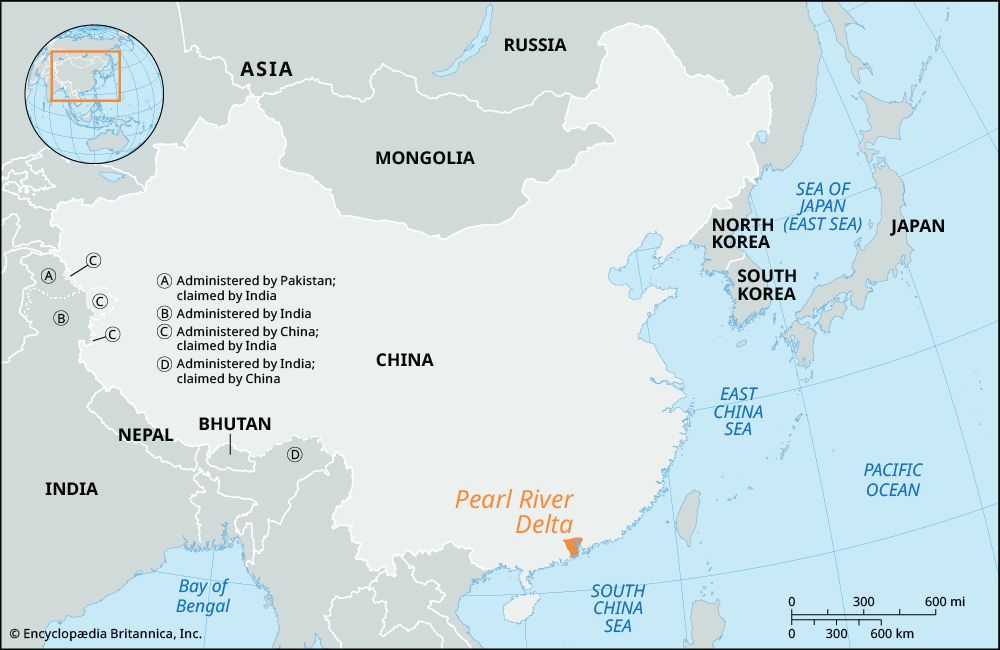
The Pearl River Delta is an extensive, low-lying region in southern Guangdong province, China. Covering approximately 2,900 square miles (7,500 square km)…
What is Pearl River Delta?
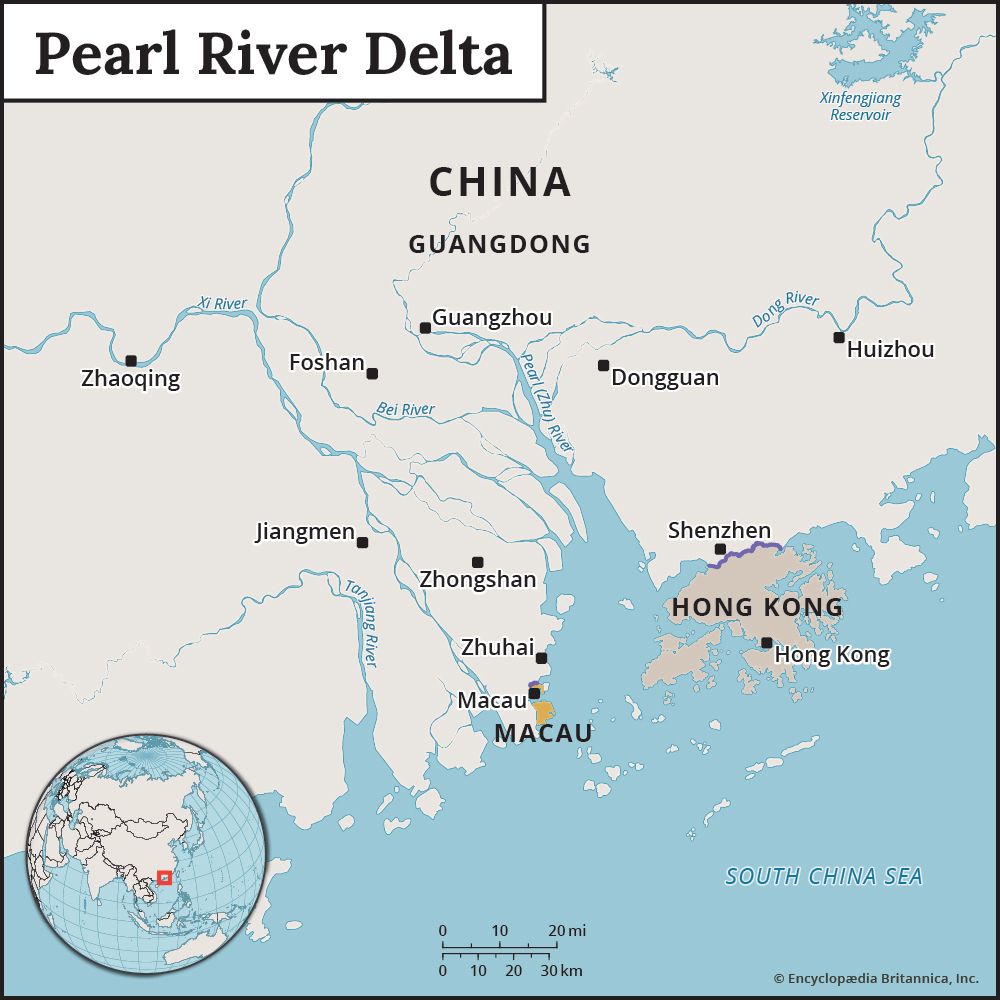
The Pearl River Delta is an extensive, low-lying region in southern Guangdong province, China. Covering approximately 2,900 square miles (7,500 square km), it is formed by the convergence of the Xi, Bei, and Dong rivers.12
The area is characterized by a complex network of streams, canals, and distributaries. Stretching from Guangzhou in the north to the Macau and Hong Kong regions at its southern estuary, it is one of the most densely populated areas in the world.123
Historically an agricultural hub capable of supporting three rice crops annually due to its favorable climate, the delta has undergone rapid industrial and urban development since the 1980s. This growth has been bolstered by the designation of special economic zones in cities like Shenzhen and Zhuhai, making the region a central pillar of China’s modern economy.13
How do special economic zones impact regional growth?
Special economic zones (SEZs) serve as powerful catalysts for regional growth by functioning as hubs for rapid industrial and economic expansion. By granting local governments the authority to offer tax incentives and develop infrastructure without central government approval, these zones effectively attract foreign investment and advanced technology.4
The impact of SEZs on regional development includes:
- Industrial Transformation: SEZs facilitate a shift toward export-oriented light industries, such as electronics, garments, and plastics. This is often achieved through joint ventures that allow for the acquisition of foreign technology and equipment.45
- Infrastructure Development: The need to support new industries often leads to significant improvements in regional infrastructure, such as the doubling of harbor capacity in cities like Xiamen.5
- Urbanization and Population Growth: Areas designated as SEZs often transform from small towns into major metropolises. For example, Shenzhen saw its population grow from approximately 30,000 in 1979 to over 1,000,000 by the early 21st century.43
- Economic Diversification: By fostering value-added reexport manufacturing, SEZs help regions build comprehensive industrial production systems that move beyond traditional agricultural bases.5
What are the environmental challenges facing the delta?
The Pearl River Delta faces significant environmental challenges primarily driven by rapid urbanization and industrialization. Since the late 1990s, the middle and lower courses of the region’s rivers have become seriously polluted due to the discharge of vast quantities of untreated sewage and industrial wastewater.2
Key environmental concerns include:
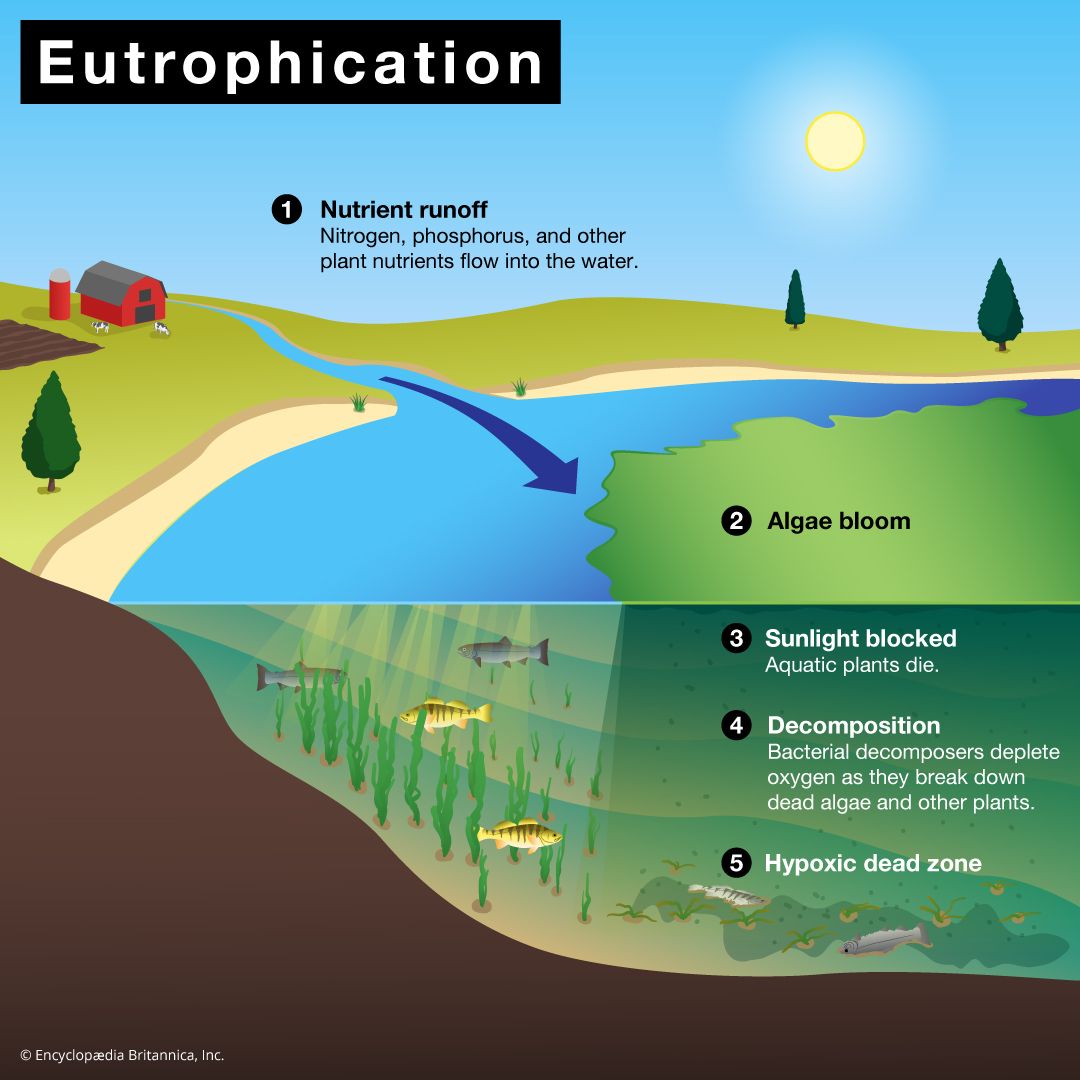
- Water Pollution: Urban centers frequently release untreated sewage directly into waterways, effectively using rivers as open sewers. This degrades water quality and contributes to eutrophication, a process where excess nutrients trigger algal blooms that deplete oxygen levels, harming aquatic life.27
- Industrial Contamination: Untreated chemical wastes from industrial facilities can alter biological activity and increase water acidity, potentially becoming corrosive to living organisms. Furthermore, persistent pollutants—such as those found in historical industrial processes—can remain in the environment for decades, accumulating in the food chain.7
- Hydrological Risks: The delta is highly susceptible to flooding, particularly when heavy monsoon rains coincide with high tides. These events can cause catastrophic damage to the densely populated region.8
- Ecosystem Disruption: Artificial channel modifications for navigation and the discharge of heated water from industrial cooling processes can further disrupt local riverine ecosystems and threaten native fish populations.7
Why is the Pearl River Delta so densely populated?
The Pearl River Delta is one of the most densely populated regions in the world due to a combination of historical agricultural productivity and rapid modern industrialization.
Historically, the delta’s fertile environment and 12-month growing season—which supports three rice crops annually—made it a natural hub for settlement, with villages traditionally clustering along its extensive network of waterways.12
Since the 1980s, the region has experienced explosive population growth driven by economic policy. The designation of special economic zones (SEZs) like Shenzhen and Zhuhai, alongside the opening of coastal cities like Guangzhou, transformed the area into a global center for manufacturing and trade. These policies attracted massive foreign investment, fostered the development of modern industry, and turned small towns into major metropolises, drawing in a large workforce and cementing the delta as the most highly urbanized area in Guangdong province.231
Sources
- Pearl River Delta — Encyclopædia Britannica
- Guangdong - Drainage — Encyclopædia Britannica
- Guangdong - Settlement patterns — Encyclopædia Britannica
- special economic zone — Encyclopædia Britannica
- Fujian - Manufacturing of Fujian — Encyclopædia Britannica
- Guangxi - Economy of Guangxi — Encyclopædia Britannica
- river - Environmental problems attendant on river use — Encyclopædia Britannica
- Xi River system — Encyclopædia Britannica
Published on · 3 min read