Pekingese
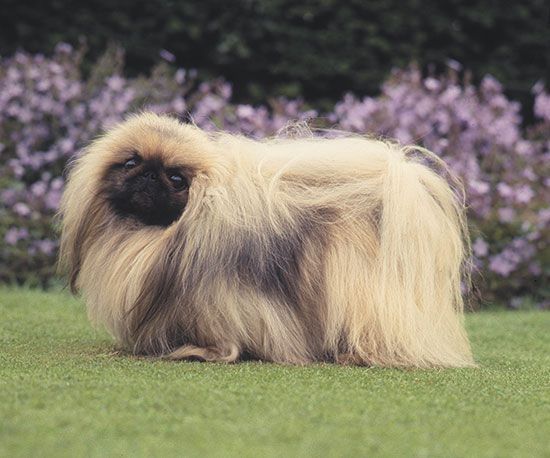
The Pekingese breed has a long history as a sacred companion to Chinese royalty, often referred to as "sleeve dogs" because they were small enough to be…
Are there any famous Pekingese dogs in history or popular culture?
The Pekingese breed has a long history as a sacred companion to Chinese royalty, often referred to as “sleeve dogs” because they were small enough to be carried in the robes of imperial family members.1
While specific individual names of these ancient palace dogs are not widely recorded in general history, the breed is notable for its presence in significant historical events. Most famously, a Pekingese was one of only three dogs that survived the sinking of the Titanic in 1912. Additionally, the breed has maintained a consistent presence in modern popular culture through its success in competitive dog shows, frequently winning “Best in Show” at the Westminster Kennel Club Dog Show1.1

How does the temperament of a Pekingese typically differ from other dog breeds?
The Pekingese is characterized by a “royal demeanor,” reflecting its history as a sacred palace dog in ancient China. Their temperament is distinct from many other breeds in several key ways:1
- Independence and Assertiveness: Unlike many companion dogs that may be eager to please, the Pekingese is noted for its lionlike independence and courage. They are extremely stubborn, making them one of the most challenging breeds to train.1
- Social Behavior: While they are affectionate with their owners, they are not typically demonstrative. They are often aloof toward strangers, though they generally get along well with other dogs and pets.1
- Watchdog Instincts: They are alert and assertive, serving as excellent watchdogs. Notably, they tend to be quiet and seldom bark unless they are convinced a threat exists.1
- Activity Levels: While they enjoy daily movement, they are not as active as many other breeds and may not be suitable for owners seeking a vigorous outdoor companion. They prefer a calm environment and do not enjoy rough play, which can make them less ideal for very young children.1

How did the Pekingese breed become popular outside of China?
The Pekingese breed was introduced to the West in 1860, following the looting of the Imperial Palace in Beijing by English forces. Prior to this, the dogs were held sacred in ancient China and were kept exclusively as palace companions by members of the imperial family.
Once brought to the West, the breed gained popularity as a companion animal. Its status was further cemented by its success in competitive dog shows, where it has frequently achieved “Best in Show” titles at events like the Westminster Kennel Club Dog Show. Additionally, the breed’s historical profile was bolstered by notable instances, such as a Pekingese being one of the few dogs to survive the sinking of the Titanic.
What role did Pekingese dogs play in Chinese imperial history?
In ancient China, the Pekingese held a position of high status, revered as a sacred animal and kept exclusively as a palace dog by members of the imperial family.1
Known as the “lion dog,” the breed was deeply integrated into the lifestyle of the royal court. A notable variation of the breed, the “sleeve dog,” consisted of very small individuals that were specifically bred to be carried by Chinese royalty within the wide sleeves of their robes. This intimate role underscored their status as cherished companions within the imperial household until their introduction to the West in 1860, following the looting of the Imperial Palace in Beijing.1
Sources
- Pekingese — Encyclopædia Britannica
- Pekingese — Merriam-Webster
- dog - Toys — Encyclopædia Britannica
Published on · 3 min read