Peloponnese
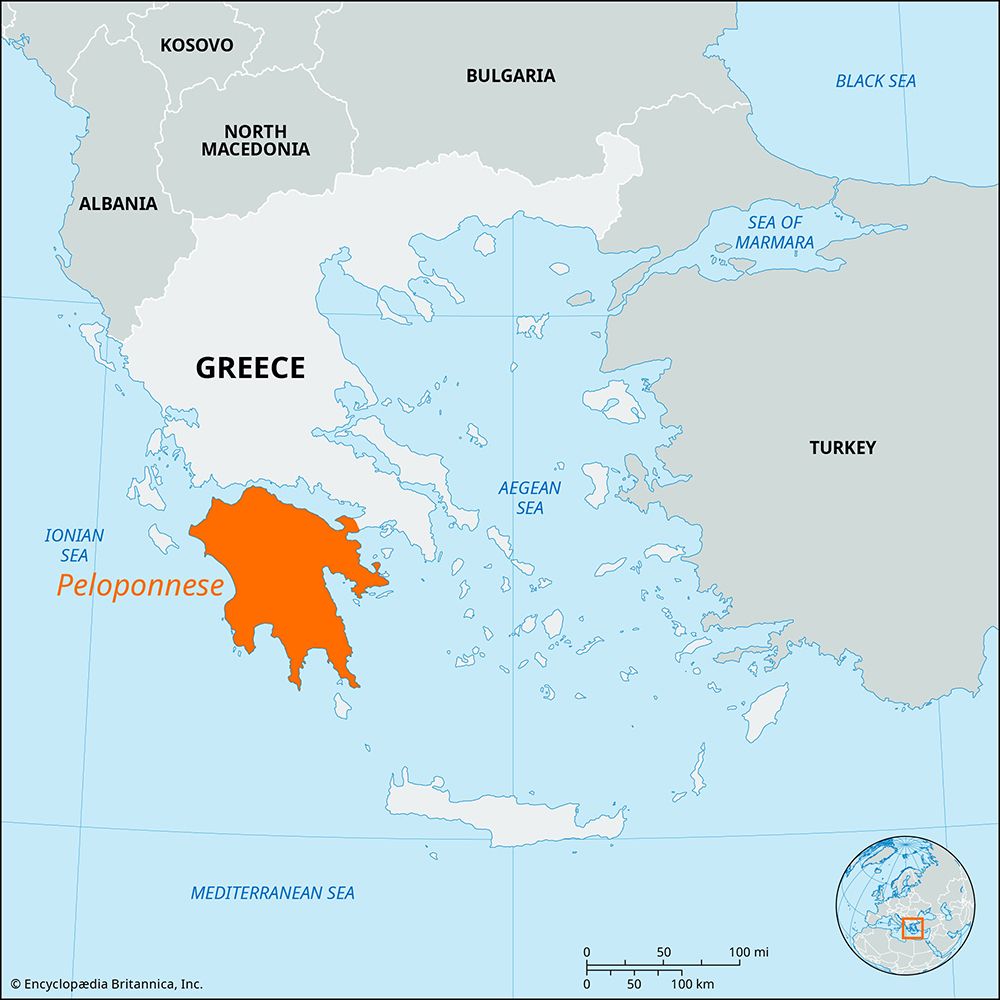
The Peloponnese is a large, mountainous peninsula in southern Greece, historically significant for its role in ancient civilizations and its strategic…
What are some of the major cities and towns in the Peloponnese region?
The Peloponnese is a large, mountainous peninsula in southern Greece, historically significant for its role in ancient civilizations and its strategic position. Several notable cities and towns are located within this region:1
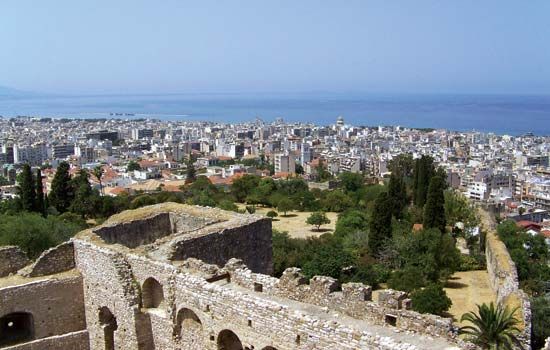
- Patras (Pátrai): Located in the northern Peloponnese, it is the major city of the region in modern times and serves as a vital commercial hub.1
- Sparta (Néa Spartí): The modern city was established in 1834 near the site of the ancient capital of the Laconia district. It functions as a commercial and industrial center for the surrounding plain, trading in products such as citrus fruits and olive oil.2
- Githion (Yíthion): A small port town located 28 miles southeast of Sparta, which serves as a maritime gateway for the area.2
- Historical Centers: The region is also home to sites of immense historical importance, including the ancient Mycenaean centers of Mycenae, Tiryns, and Pylos, as well as the medieval fortress city of Mistra.12
What are the main geographical features of the Peloponnese peninsula?
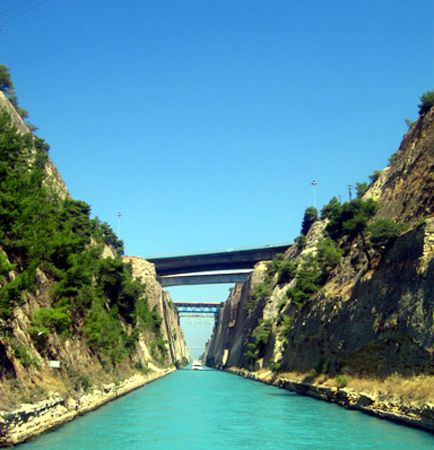
The Peloponnese is a large, mountainous peninsula covering 8,278 square miles. While historically joined to mainland Greece by the Isthmus of Corinth, it is now technically an island due to the Corinth Canal, which cuts across the narrow neck of land.14
Key geographical features include:
- Mountainous Core: The region consists of an oval-shaped mountain mass with peaks reaching approximately 7,800 feet. The Taïyetos Mountains form the highest chain, acting as a barrier between the regions of Laconia and Messenia.45
- Plateaus and Peninsulas: At the heart of the peninsula lie the arid limestone plateaus of Arcadia, characterized by soluble rock and underground drainage. The peninsula also features four distinct southern prongs.4
- Coastal Plains: A thin fringe of fertile coastal plain exists in the north and west, alongside larger alluvial depressions surrounding the mountainous core.4
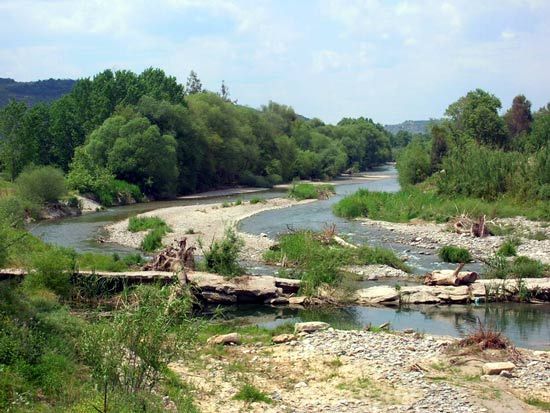
- Drainage: The region features erratic river systems, including the Evrótas River, which flows southeast into the Gulf of Laconia.6
How does the Peloponnese contribute to modern Greek tourism and culture?
The Peloponnese is a cornerstone of modern Greek tourism and culture, serving as a living repository of the country’s ancient and medieval heritage. Its contribution is defined by several key factors:
- Archaeological Significance: The region is home to world-renowned sites from the Mycenaean civilization, including Mycenae, Tiryns, and Pylos. These sites, along with the ancient theatre of Epidaurus—famous for its extraordinary acoustics—attract global audiences and host major arts festivals during the summer months.17
- Historical Legacy: As the site of the ancient Olympic Games in the sacred precinct of the Altis, the Peloponnese remains a powerful symbol of Greek history and the spirit of international competition.8
- Cultural Identity: The region’s history, spanning from the Classical period through Byzantine and Frankish rule, has profoundly shaped the Greek national identity. Modern cities like Patras serve as vital commercial and cultural hubs, linking the region to the broader Mediterranean world.19
What are some of the major ancient sites and ruins found in the Peloponnese?
The Peloponnese is home to some of the most significant archaeological sites in Greece, representing various eras from the Bronze Age to the Byzantine period. Major sites include:
- Mycenae and Tiryns: These centers of the Mycenaean civilization are famous for their massive fortification walls and monumental architecture, such as the Lion Gate at Mycenae and the sophisticated tholos tombs like the Treasury of Atreus.131415
- Olympia: The site of the ancient Olympic Games, featuring the sacred Altis precinct, the Temple of Zeus, and the Temple of Hera. It also contains the ancient stadium and the workshop of the sculptor Phidias.1316
- Epidaurus: Renowned for its Sanctuary of Asklepios and its magnificent, well-preserved ancient theatre, which is celebrated for its exceptional acoustics.1317
- Pylos: The site of the Epano Englianos palace, a major Mycenaean royal seat where significant Linear B tablets were discovered.115
- Bassae: Home to the Temple of Apollo Epicurius, a notable example of classical temple architecture.13
- Mystras: A prominent archaeological site featuring significant Byzantine monuments.13
Sources
- Peloponnese — Encyclopædia Britannica
- Sparta — Encyclopædia Britannica
- Central Greece — Encyclopædia Britannica
- Taïyetos Mountains — Encyclopædia Britannica
- Greece - Southern Greece: the Pelopónnisos — Encyclopædia Britannica
- Greece - Drainage — Encyclopædia Britannica
- Greek religion - Festivals — Encyclopædia Britannica
- Greece - Daily life and social customs — Encyclopædia Britannica
- Greece - Cultural milieu — Encyclopædia Britannica
- Greece - Cultural institutions — Encyclopædia Britannica
- Greece - Transportation and telecommunications — Encyclopædia Britannica
- Greece - History — Encyclopædia Britannica
- list of World Heritage sites - Greece — Encyclopædia Britannica
- Olympia - The remains of Olympia — Encyclopædia Britannica
- theatre - Acoustics — Encyclopædia Britannica
- Aegean civilizations - The end of the Bronze Age in the Aegean — Encyclopædia Britannica
- Pylos — Encyclopædia Britannica
Published on · 3 min read