Gulf of Messenia
The available information does not provide specific details regarding the direct impact of modern development and urbanization on the Gulf of Messenia itself.
How has the Gulf of Messenia been impacted by modern development and urbanization?
The available information does not provide specific details regarding the direct impact of modern development and urbanization on the Gulf of Messenia itself.
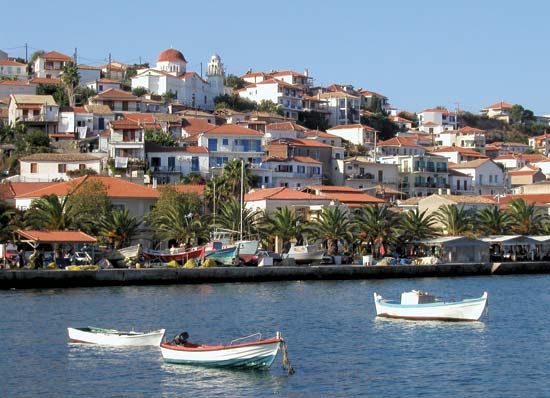
While the gulf is home to Kalamata—a significant manufacturing center and the second port of the Peloponnese—the provided records focus primarily on the region’s historical, geographical, and economic characteristics rather than the environmental or urban consequences of recent growth.12
More broadly, the Mediterranean Sea has faced challenges from industrialization, tourism, and rising coastal populations since the mid-20th century, which have contributed to water pollution in many coastal areas. Efforts to mitigate these issues, such as the Mediterranean Action Plan, have been established to monitor and control environmental degradation, though improvements in water quality remain limited.3
What is the geological formation of the Gulf of Messenia?
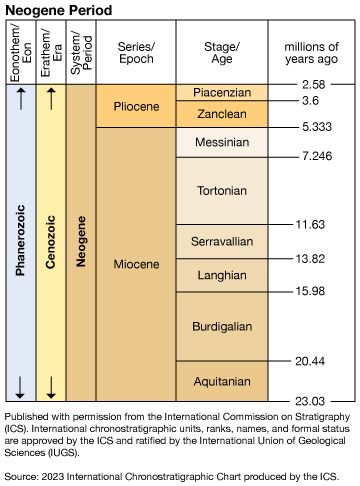
The Gulf of Messenia is a significant inlet of the Ionian Sea located on the southern coast of the Peloponnese in Greece. Its geological formation is part of the broader structural evolution of southern Greece, which is characterized by younger, weaker rocks—primarily of limestone origin—that were heavily folded during the Alpine-building phase of the Paleogene and Neogene periods (approximately 66 to 2.6 million years ago).415
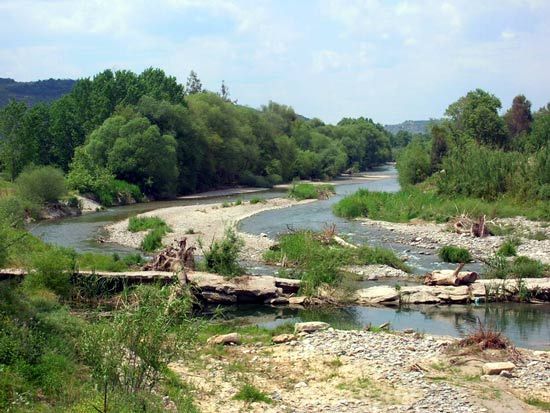
During this era, tectonic movements thrust softer sediments against the unyielding Hercynian block, creating a series of parallel tectonic zones that defined the region’s mountain-and-valley relief. Subsequently, these ranges were raised and fractured by further tectonic activity, leading to the creation of sunken basins, including the Gulf of Messenia. This ongoing geological instability is evidenced by frequent seismic activity along major fault lines in the region. The gulf itself is framed by the Taïyetos Mountains to the east and the Likódimon Óros to the west, with the alluvial depression of the Pamisos River valley at its headPamisos River](https://www.britannica.com/place/Messenia) valley at its head.5163
How has the Gulf of Messenia influenced the history and culture of the region?
The Gulf of Messenia has served as a vital maritime gateway and strategic focal point throughout the history of the Peloponnese. Its shores have hosted diverse civilizations, with the gulf acting as a conduit for both trade and conflict.
Key historical and cultural influences include:
- Strategic Fortification: The region is defined by medieval strongholds such as Koroni, which retains layers of Byzantine, Venetian, and Turkish architecture. These sites reflect the gulf’s role as a contested territory during the Middle Ages, when it was a frequent battlefield for competing powers.13
- Maritime Access: The gulf provides essential access to Kalamata, which has developed into a major manufacturing center and the second-largest port of the Peloponnese, supporting the agricultural output of the fertile Pamisos River valley.13
- Geopolitical Turning Points: The gulf has been a site of significant military intervention, most notably in 1828 when French forces landed there to support the War of Greek Independence, helping to secure the region’s liberation.1
Are there any notable ancient Greek myths or legends associated with the Gulf of Messenia?
While the Gulf of Messenia is deeply rooted in the historical landscape of the Peloponnese, the provided records do not contain specific ancient Greek myths or legends directly associated with the gulf itself.
However, the broader region of Messenia is rich in legendary history. According to Homeric tradition, the area was governed during the Bronze Age by the family of Neleides, who originated from Iolcos in Thessaly. This era is famously linked to the palace of Nestor, a significant Mycenaean site located near Pylos on the Ionian Sea, which serves as a primary archaeological connection to the heroic age of Greek legend.3
Sources
- Gulf of Messenia — Encyclopædia Britannica
- Mediterranean Sea - Impact of human activity — Encyclopædia Britannica
- Messenia — Encyclopædia Britannica
- Messenia, Gulf of — Merriam-Webster
- Greece - Southern Greece: the Pelopónnisos — Encyclopædia Britannica
- Greece - Relief — Encyclopædia Britannica
- Messinian Stage — Encyclopædia Britannica
- Gulf of Kiparissía — Encyclopædia Britannica
Published on · 3 min read