Bergamot
The term "bergamot" refers to two distinct types of plants that share a similar floral fragrance.
What is bergamot and where does it originate from?
The term “bergamot” refers to two distinct types of plants that share a similar floral fragrance.1
The first is the bergamot orange (Citrus ×aurantium), a citrus fruit tree that produces a yellow-green, pear-shaped fruit. Its rind is prized for its essential oil, which is widely used in perfumes and as a flavoring, most notably in Earl Grey tea. This fruit is primarily cultivated in Italy and is considered a hybrid of a sour orange and a lemon. Its name is derived from the Italian bergamotta, which traces back to the Turkish bey armudu, meaning “the bey’s pear”.123
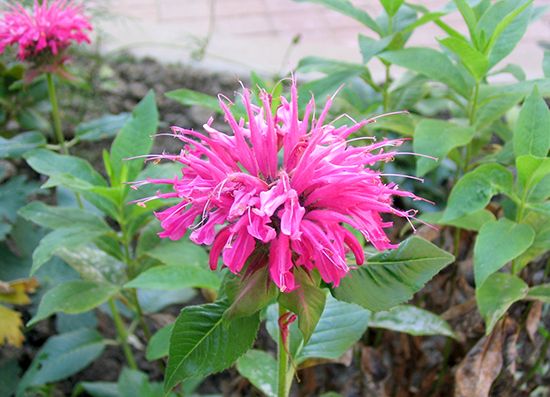
The second type consists of several fragrant perennial herbs in the genus Monarda (family Lamiaceae), native to North America. These include bee balm, lemon bergamot, and wild bergamot, which are often grown as ornamentals or used in teas and beverages.1
What are some common products that contain bergamot besides Earl Grey tea?
Beyond Earl Grey tea, bergamot is a versatile ingredient used primarily for its distinct floral fragrance and flavor. Common products containing bergamot include:
- Perfumes and Colognes: The essential oil extracted from the rind of the bergamot orange is a staple in the perfume industry, frequently used as a top note in various fragrances.12
- Beverages: Beyond tea, the leaves of Monarda species (often called bee balm or wild bergamot) are used to flavor lemonade, fruit punches, and other cold drinks.2
- Culinary Flavorings: Both the oil from the bergamot orange and the leaves of the Monarda herbs serve as flavoring agents in a variety of food and drink preparations.2
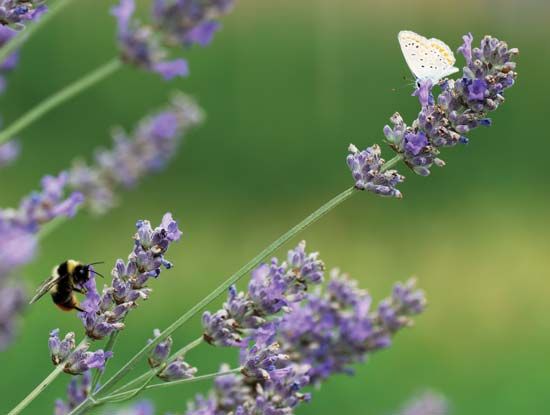
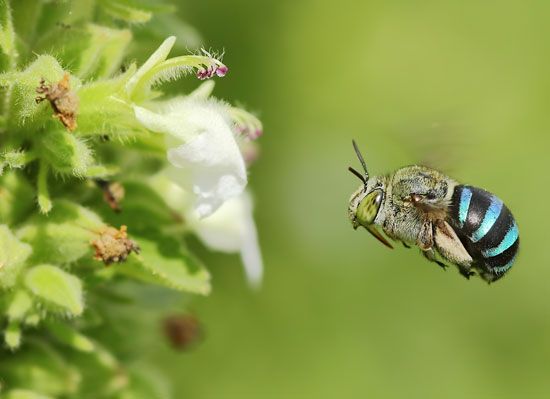
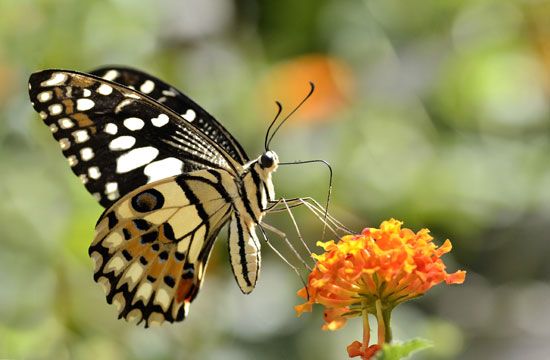
- Ornamental Gardening: While not a consumable product, the Monarda herbs are widely cultivated as ornamental plants to attract pollinators like bees, butterflies, and hummingbirds to gardens.2
How is bergamot used in traditional medicine and aromatherapy?
The provided search results do not contain information regarding the use of bergamot in traditional medicine or aromatherapy. While the sources confirm that bergamot is used in perfumes, as a flavoring, and as an ornamental plant, they do not offer details on medicinal or therapeutic applications.12
Sorry, the Britannica knowledge base does not contain this information.
How does bergamot contribute to the distinct flavor of Earl Grey tea?
Earl Grey tea is defined as a black tea blend that is flavored with bergamot oil. This distinct flavor is derived from the essential oil extracted from the rind of the bergamot orange (Citrus ×aurantium), a pear-shaped citrus fruit primarily cultivated in Italy.412
The oil is highly valued for its characteristic floral fragrance and bitter, aromatic profile, which provides the tea with its signature scent and taste. While the term “bergamot” can also refer to various fragrant herbs of the genus Monarda—which are sometimes used in other herbal teas—it is specifically the oil from the rind of the Citrus bergamia fruit that is the essential component of traditional Earl Grey.12
Sources
- bergamot oil — Merriam-Webster
- Bergamot — Encyclopædia Britannica
- bergamot — Merriam-Webster
- Earl Grey — Merriam-Webster
Published on · 2 min read