Catnip
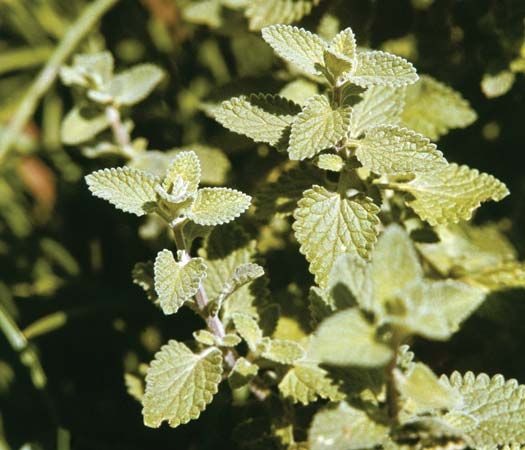
Catnip (Nepeta cataria) is a herb in the mint family that triggers intense, temporary behavioral changes in approximately 70 percent of cats. This…
How does catnip affect cats and why does it have this effect?
Catnip (Nepeta cataria) is a herb in the mint family that triggers intense, temporary behavioral changes in approximately 70 percent of cats. This sensitivity is an inherited trait.1
The primary driver of these reactions is nepetalactone, a volatile oil found in the plant’s leaves and stems. When a cat encounters catnip, nepetalactone binds to receptors in the nose, stimulating sensory neurons. While the exact biological mechanism behind the resulting behavior remains under investigation, the experience is often described as a heightened state of excitement or pleasure.12
Common behaviors include:
- Purring or vocalizing12
- Rolling, rubbing, or jumping12
- Drooling12
- Increased playfulness or, occasionally, aggression12
These effects typically last about 10 minutes, after which the cat becomes temporarily immune to the plant’s influence. Interestingly, this reaction is not limited to domestic cats; it has also been observed in big cats such as leopards and tigers.12
Can all cats respond to catnip, or are some cats immune to its effects?
Not all cats respond to catnip; in fact, approximately 30 percent of cats are immune to its effects. Sensitivity to the plant is an inherited trait, meaning it is passed down genetically from parent to offspring.1
For the 70 percent of cats that do possess this sensitivity, the volatile oil known as nepetalactone triggers a range of behaviors, such as rolling, rubbing, or increased playfulness, by binding to receptors in the nose. Cats that do not inherit this sensitivity do not exhibit these reactions when exposed to the plant.1
What is catnip and which plant family does it belong to?
Catnip (Nepeta cataria) is a short-lived perennial herb native to Eurasia. It is widely recognized for its aromatic leaves, which contain a volatile oil called nepetalactone that triggers intense, temporary behavioral responses in many cats. Beyond its use as a pet stimulant, the plant is sometimes used as a seasoning or in medicinal teas to treat colds and fevers.2
Catnip belongs to the mint family, known scientifically as Lamiaceae. Plants within this family are characterized by their square stems, simple leaves arranged in pairs, and two-lipped, tubular flowers.23
Are there any other plants that have similar effects on cats as catnip?
Yes, there are other plants that can elicit similar reactions in cats. While catnip is the most well-known, silvervine (Actinidia polygama), an ornamental woody vine native to eastern Asia, is also known to be very attractive to cats and can produce similar behavioral responses.2
It is important to note that while these plants can trigger excitement, playfulness, or relaxation in many felines, the specific chemical mechanisms and the range of reactions can vary between different botanical sources. As with catnip, the response to such plants is often dependent on the individual cat’s genetics.14
Sources
- Why do cats like catnip? — Encyclopædia Britannica
- Catnip — Encyclopædia Britannica
- list of plants in the family Lamiaceae — Encyclopædia Britannica
- silvervine — Merriam-Webster
Published on · 2 min read