Pimpernel
A pimpernel refers to any of about 30 species of low-growing herbs belonging to the primrose family (genus Anagallis), which are primarily native to western…
What is pimpernel?
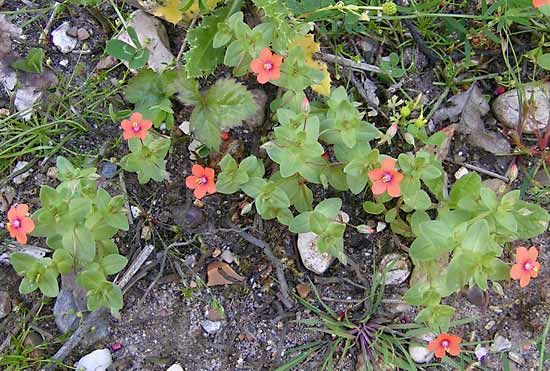
A pimpernel refers to any of about 30 species of low-growing herbs belonging to the primrose family (genus Anagallis), which are primarily native to western Europe. These plants typically feature opposite or whorled leaves and small, solitary, bell-shaped or flat flowers in shades of red, pink, or blue.12
The most well-known species is the scarlet pimpernel (A. arvensis), also known as “poor-man’s weatherglass” because its flowers close during cloudy weather.13
Beyond botany, the term has cultural significance. It is the namesake of the hero in Baroness Orczy’s 1905 novel, The Scarlet Pimpernel. In the story, the protagonist uses the flower as a signature while rescuing aristocrats from the French Revolution. Consequently, the term “scarlet pimpernel” is sometimes used to describe a daring, mysterious person who rescues others from danger or smuggles them to safety. Note that other plants, such as the yellow pimpernel (Taenidia integerrima), share the name but belong to different families.345
Why is the scarlet pimpernel called poor-man’s weatherglass?
The scarlet pimpernel (Anagallis arvensis) is commonly referred to as “poor-man’s weatherglass” because of its sensitivity to atmospheric conditions.73
The plant’s blossoms act as a natural indicator of incoming weather; they remain open only during periods of fair, sunny weather and close tightly when the sky becomes cloudy or overcast. This predictable behavior allowed people to gauge the likelihood of rain or clear skies simply by observing the state of the flowers.73
What is the story behind the novel The Scarlet Pimpernel?
The Scarlet Pimpernel, a celebrated novel by Baroness Emmuska Orczy, was first produced as a play in 1903 and published as a book in 1905.85
The story is set during the French Revolution and follows Sir Percy Blakeney, an English aristocrat who maintains a public persona as a foppish, unintelligent socialite. In secret, however, he is the “Scarlet Pimpernel,” a master of disguise and a swashbuckling hero who leads a daring mission to rescue French aristocrats from the guillotine and smuggle them to safety in England. He derives his alias from the small, red, star-shaped flower he uses as a signature to mark his interventions. His primary antagonist is the ruthless Citizen Chauvelin, an agent of Robespierre.835
The novel’s immense popularity established the “Scarlet Pimpernel” as an archetype for mysterious, daring heroes who rescue those in mortal danger. The character’s success led to several sequels and numerous film adaptations.3985
What are other common plants in the primrose family?
The Primulaceae family, commonly known as the primrose family, is a diverse group of flowering plants that includes nearly 2,600 species across 58 genera. Beyond the well-known primroses, several other plants are frequently cultivated or recognized within this family:
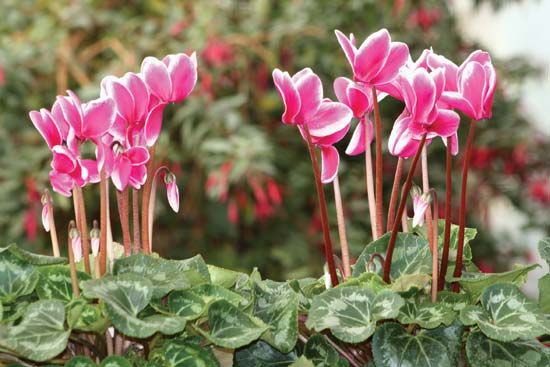
- Cyclamen: Popular as a florist’s plant, particularly the species Cyclamen persicum.10
- Shooting stars: Distinctive perennials often grown as garden ornamentals.10
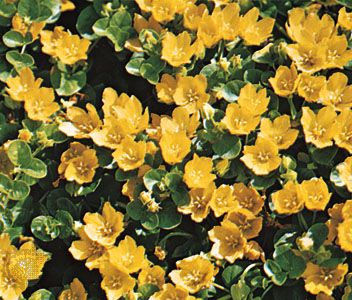
- Creeping Jenny (Lysimachia nummularia): A common ground-covering plant.10
- Loosestrife: Specifically the yellow loosestrife (L. punctata), which is a frequent garden addition.10
- Pimpernel: Including the scarlet pimpernel, which is known for its sensitivity to weather conditions.1011
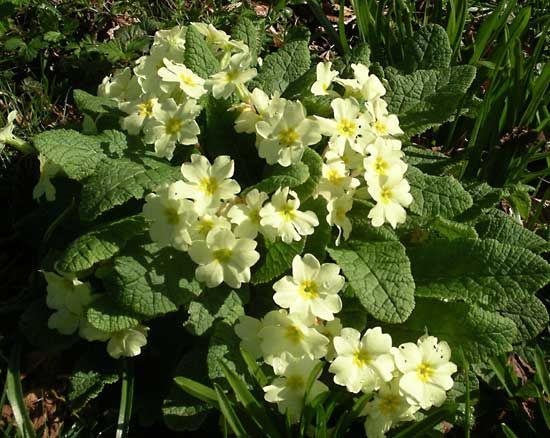
- Primula: This major genus includes hundreds of species, such as the fairy primrose (P. malacoides), Chinese primrose (P. sinensis), and various polyanthus hybrids.101
Sources
- pimpernel — Encyclopædia Britannica
- pimpernel — Merriam-Webster
- scarlet pimpernel — Merriam-Webster
- red pimpernel — Merriam-Webster
- Did you know? — Merriam-Webster
- yellow pimpernel — Merriam-Webster
- poor man's weatherglass — Merriam-Webster
- The Scarlet Pimpernel — Encyclopædia Britannica
- Baroness Emmuska Orczy — Encyclopædia Britannica
- Primulaceae — Encyclopædia Britannica
- primrose — Encyclopædia Britannica
Published on · 2 min read