Primulaceae
Primulaceae, commonly known as the primrose family, is a diverse group of flowering plants within the order Ericales. It comprises 58 genera and…
What is Primulaceae?
Primulaceae, commonly known as the primrose family, is a diverse group of flowering plants within the order Ericales. It comprises 58 genera and approximately 2,600 species, ranging from annual or perennial herbs to shrubs, lianas, and trees.12
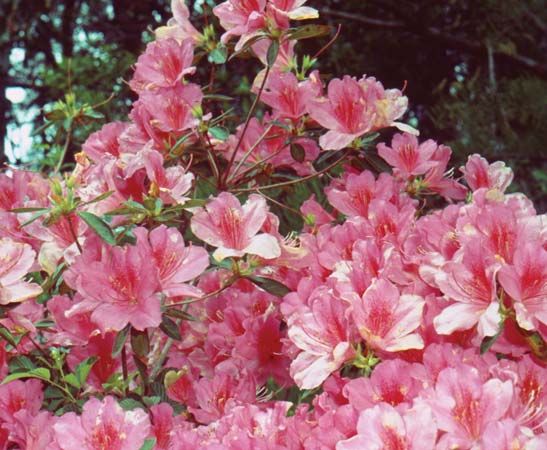
The family is distributed worldwide, with many species found in the Northern Hemisphere, including Arctic and Alpine regions. Following significant taxonomic revisions, the family now incorporates the formerly distinct families Maesaceae, Myrsinaceae, and Theophrastaceae. Members typically feature simple leaves and flowers with fused petals3. Notable genera include Primula, Ardisia, and Lysimachia, with several species—such as cyclamen and pimpernel—widely cultivated as ornamentals. Some species, like the shooting star, exhibit specialized adaptations like buzz pollination.213
What are some popular garden plants in the Primulaceae family?
The Primulaceae family includes a variety of popular garden ornamentals valued for their attractive flowers. Below are some of the most common plants cultivated from this family:
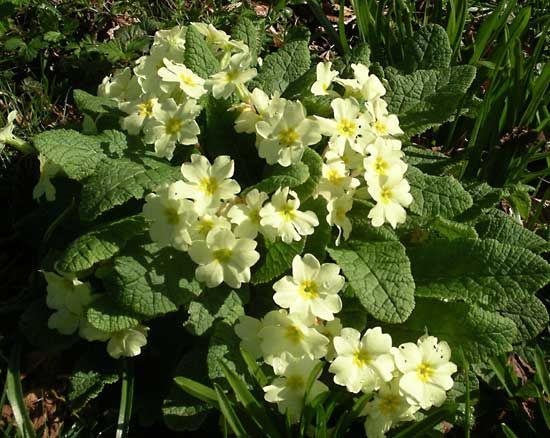
- Primula: This large genus includes garden primroses, such as the common primrose (P. vulgaris), as well as popular polyanthus hybrids and P. auricula, which has been a favorite for centuries.31
- Shooting Stars: Formerly classified as the genus Dodecatheon, these are now part of the Primula genus. Species like the eastern shooting star (P. meadia) and darkthroat shooting star (P. pauciflorum) are frequently grown in rock gardens for their unique, reflexed petals.56
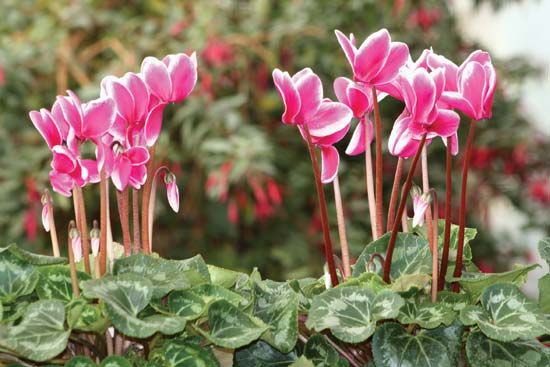
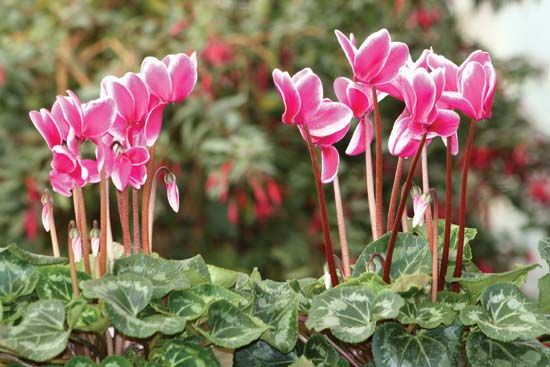
- Cyclamen: The florist’s cyclamen (C. persicum) is a well-known indoor plant, while other species like the ivy-leaved cyclamen (C. hederifolium) are commonly grown outdoors.37
- Lysimachia: This genus includes popular ground covers and border plants such as creeping Jenny (L. nummularia) and yellow loosestrife (L. punctata).38
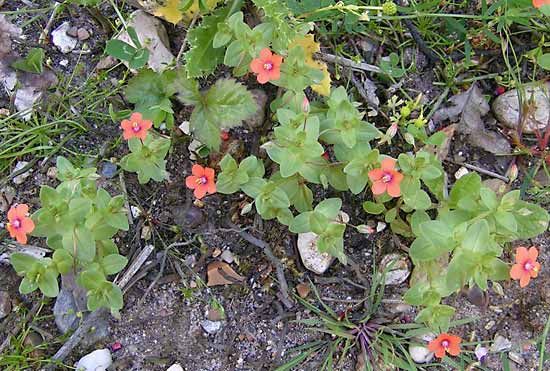
- Pimpernel: The scarlet pimpernel (Anagallis arvensis) is another member of the family often found in garden settings.3
How do scientists classify plants into different families?
Scientists classify plants into families primarily by determining their phylogeny—the evolutionary history and relationships between different plant groups. While historical classification systems relied heavily on morphological, anatomical, and chemical characteristics, modern taxonomy has been transformed by molecular techniques.11
Key methods used in contemporary plant classification include:
- Molecular Analysis: Scientists sequence segments of DNA from plant cell nuclei and chloroplasts. By measuring the degree of molecular similarity, researchers can quantitatively determine how closely related different plants are.1112
- Computational Tools: Large-scale molecular data are analyzed using advanced computational tools to build robust, testable models of plant relationships. This approach is central to the Angiosperm Phylogeny Group (APG) system, which organizes plants into families and orders based on these evolutionary lineages.11
- Morphological and Anatomical Study: Classical methods remain vital. Botanists study physical features such as leaf structure, vascular system arrangement, and pollen development.1314
- Chemotaxonomy: Researchers analyze the biochemistry of a plant’s metabolic products to provide supplemental, objective evidence for classification.12
- Field and Herbarium Research: Studying living plants in their natural environments and utilizing herbaria—systematic reference collections of dried specimens—provides essential data for describing and identifying species.12
What are the differences between annual and perennial plants?
The primary difference between annual and perennial plants lies in the duration of their life cycles and their patterns of growth.
Annual Plants
An annual is a plant that completes its entire life cycle—from germination to seed production and death—within a single growing season. Because these plants do not survive beyond one year, they rely on their seeds to ensure the survival of the next generation. Many common garden flowers, such as marigolds and zinnias, as well as major food crops like corn and wheat, are classified as annuals16.151617
Perennial Plants
A perennial is a plant that lives for an indefinite number of years. These plants are characterized by their ability to regrow and rebloom year after year. While the aerial parts of some herbaceous perennials may die back during winter, the plant persists through a perennating part—such as roots or bulbs—that remains dormant underground until the next growing season. Trees and shrubs are classic examples of perennials, as they maintain their structure over many years.1517
In summary, if you prefer plants that return automatically each year, perennials are the ideal choice, whereas annuals must be replanted every season.15
Sources
- Ericales - Primulaceae — Encyclopædia Britannica
- Primulaceae — Merriam-Webster
- Primulaceae — Encyclopædia Britannica
- Ericales - Primuloideae — Encyclopædia Britannica
- cyclamen — Encyclopædia Britannica
- primrose — Encyclopædia Britannica
- Lysimachia — Merriam-Webster
- shooting star — Encyclopædia Britannica
- primrose — Merriam-Webster
- shooting star — Merriam-Webster
- Asparagales - Organization and taxonomy — Encyclopædia Britannica
- Morphology - Morphological basis of classification — Encyclopædia Britannica
- angiosperm - Annotated classification — Encyclopædia Britannica
- botany - Taxonomic aspects — Encyclopædia Britannica
- Is That Plant 'Perennial' or 'Annual'? — Merriam-Webster
- annual — Encyclopædia Britannica
- plant development - Senescence in plants — Encyclopædia Britannica
Published on · 3 min read