Pokeweed
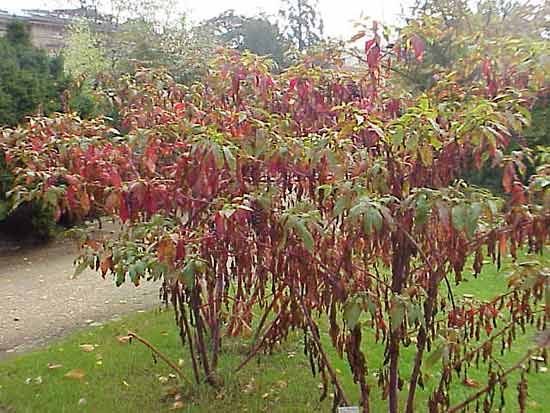
The scientific name of pokeweed is Phytolacca americana. It belongs to the plant family Phytolaccaceae, which is commonly known as the pokeweed family.
What is the scientific name of pokeweed and which plant family does it belong to?
The scientific name of pokeweed is Phytolacca americana. It belongs to the plant family Phytolaccaceae, which is commonly known as the pokeweed family.123
This family is part of the order Caryophyllales and consists of various herbs, shrubs, and trees primarily native to tropical and subtropical regions of Africa and North America.24
What are some common myths or misconceptions about pokeweed?
A common misconception regarding pokeweed (Phytolacca americana) is that the entire plant is safe for consumption. In reality, pokeweed is a poisonous plant, and its roots and mature stalks are toxic.672
While some people consume the leaves and very young shoots—often referred to as potherbs—they must be prepared with extreme caution. To reduce the risk of poisoning, these parts must be properly cooked, and the cooking water must be discarded to remove toxins. Ingesting the plant without such precautions can lead to severe symptoms, including burning sensations in the mouth, vomiting, purging, spasms, convulsions, and potentially death due to the presence of the toxin phytolaccine.627
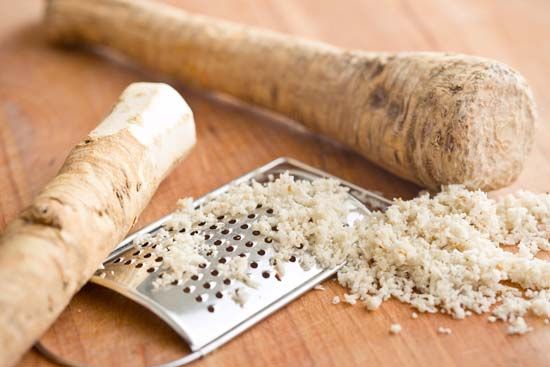
It is also a common error to mistake the root of the plant for horseradish due to their physical resemblance, which can lead to accidental ingestion. Because of these significant health risks, it is vital to recognize that the plant is inherently toxic and not a harmless wild vegetable.67
How toxic is pokeweed, and what parts of the plant are the most dangerous?
Pokeweed (Phytolacca americana) is a highly toxic plant that contains the poisonous constituent phytolaccine. Ingesting the plant can lead to severe health consequences, including burning and bitterness in the mouth, vomiting, purging, spasms, convulsions, and potentially death.67
The most dangerous parts of the plant are the roots and the mature stalks, both of which are poisonous. While the leaves and very young shoots (typically up to 15 cm or 6 inches) are sometimes consumed as potherbs, they must be prepared with extreme caution; they require proper cooking, and the cooking water must be discarded to remove toxins.6
Additionally, the plant’s root is often noted for its physical resemblance to horseradish, which can lead to accidental and dangerous ingestion. Due to the presence of potent toxins, the plant should be treated as inherently poisonous.67
What are some traditional and modern uses of pokeweed, despite its toxicity?
Despite its significant toxicity, Phytolacca americana has been utilized in both traditional and modern contexts. The most common use involves the leaves and very young shoots (up to 15 cm or 6 inches), which are prepared as potherbs. To make these parts edible, they must be properly cooked, and the cooking water must be discarded to remove the plant’s toxins.62
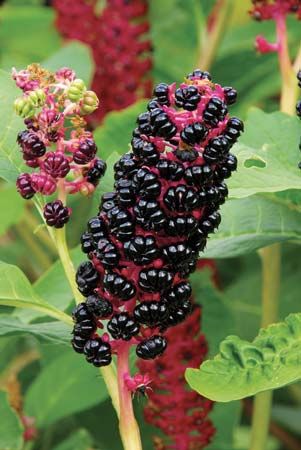
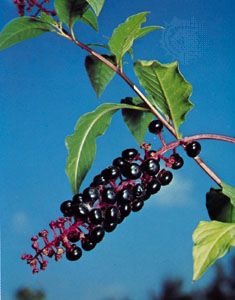
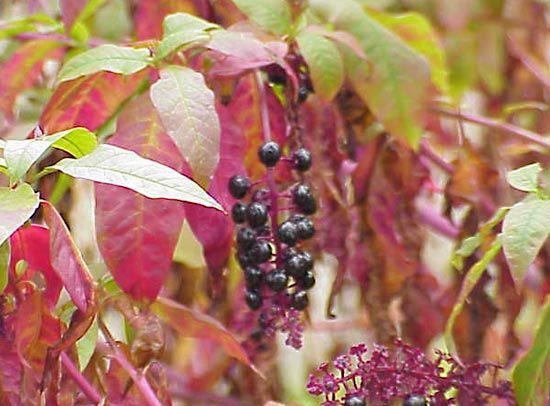
Beyond culinary applications, the plant’s dark purple berries contain a potent red dye. This pigment has historically been and continues to be used as a coloring agent for a variety of products, including wine, candies, cloth, and paper.6
While these uses exist, it is essential to reiterate that the plant is inherently poisonous, particularly its roots and mature stalks, which should never be consumed. The root’s resemblance to horseradish remains a notable hazard, as accidental ingestion can lead to severe health risks.6
Sources
- pokeweed family — Merriam-Webster
- pokeweed — Merriam-Webster
- Phytolaccaceae — Encyclopædia Britannica
- Phytolacca — Merriam-Webster
- Phytolaccaceae — Merriam-Webster
- pokeweed — Encyclopædia Britannica
- poison - Plant poisons (phytotoxins) — Encyclopædia Britannica
Published on · 3 min read