Caryophyllales
Yes, plants in the order Caryophyllales produce a unique group of pigments known as betalains, which include betacyanins and betaxanthins.
Are there any unique chemical compounds produced by Caryophyllales plants?
Yes, plants in the order Caryophyllales produce a unique group of pigments known as betalains, which include betacyanins and betaxanthins.1
In most flowering plants, red-to-blue coloration is provided by anthocyanins, while yellow-to-reddish-orange hues are produced by anthoxanthins. However, species within the Caryophyllales order that produce betalains never contain anthocyanins, and those with anthocyanins do not produce betalains. Because these pigments are restricted to this order, they hold significant taxonomic importance for identifying and linking various families within the group.1
How do scientists classify and identify plants within the Caryophyllales order?
Scientists classify and identify plants within the Caryophyllales order primarily through DNA analysis, as the order has a sparse fossil record and highly varied morphological features. Under the Angiosperm Phylogeny Group IV (APG IV) system, the order is positioned basally within the core eudicots.13
Key methods and criteria for identification include:
- Chemical Markers: The presence of betalains—a group of pigments including betacyanins and betaxanthins—is a significant taxonomic indicator. These pigments are restricted to certain families within the order, and species that produce them never contain anthocyanins.1
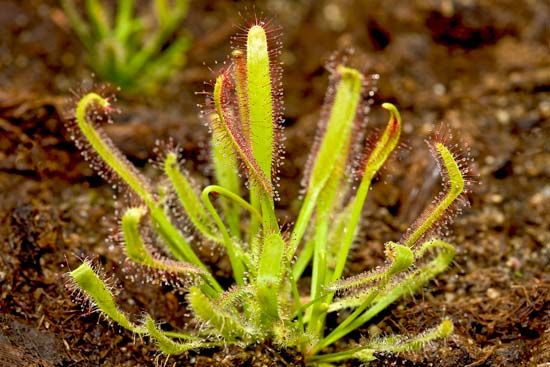
- Morphological Traits: Identification often involves observing specialized adaptations, such as salt-excreting glands in halophytic families like Tamaricaceae and Frankeniaceae, or insect-trapping mechanisms in carnivorous families like Droseraceae and Nepenthaceae.12
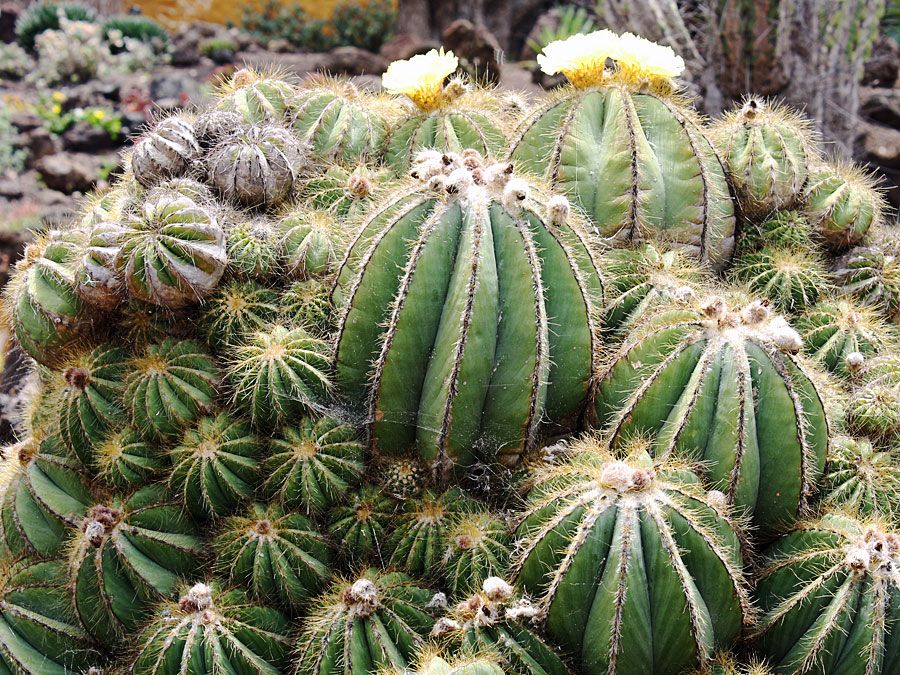
- Physiological Adaptations: The presence of CAM photosynthesis or C4 photosynthesis helps distinguish specific succulent groups, such as Cactaceae and Aizoaceae.132
- Floral Structure: Within the “core” Caryophyllales, the loss of true petals is a defining characteristic; any petal-like structures are often derived from stamens.1
How have Caryophyllales plants been used in traditional medicine or cultural practices?
Plants within the order Caryophyllales have been utilized for centuries in various cultural and medicinal practices. Their applications range from nutritional staples to ceremonial and therapeutic uses.
Traditional and Medicinal Uses
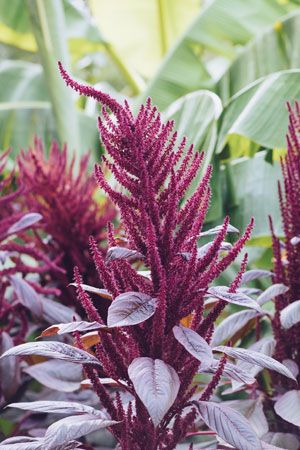
- Amaranthaceae: Species in the genus Amaranthus have been used by Native Americans and pre-Columbian civilizations as food, medicinal herbs, and sources of ceremonial body and face paint. Tea made from pigweed leaves has been traditionally used to treat dysentery, diarrhea, and ulcers due to its purported astringent properties. Additionally, garden orach was historically employed as a remedy for gout.45
- Cactaceae: Many cactus species hold local importance in traditional medicine. Notably, peyote has been used ceremonially since pre-Columbian times, valued for its hallucinogenic properties.3
Cultural Significance
Beyond medicine, these plants have held symbolic roles. The name Amaranthus is derived from the Greek word for “unwithering,” and the plants were historically used as a symbol of immortality. In many regions of Central and South America, various cacti are also utilized for practical purposes, such as creating living fences or providing fuel.53
How do Caryophyllales plants differ from other flowering plant orders in terms of their floral structure?
Plants within the Caryophyllales order exhibit floral structures that differ significantly from the “stereotyped” construction found in many other core eudicots. While many core eudicots follow a standard “5 + 5 + (5 or 10) + (3 or 5)” pattern—consisting of five sepals, five petals, one or two whorls of five stamens, and a whorl of three or five carpels—Caryophyllales often deviate from this model.9
Key differences in floral structure include:
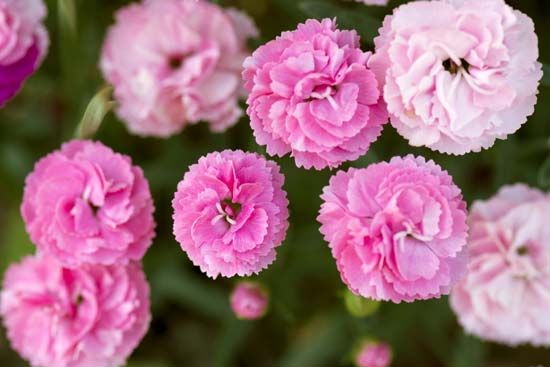
- Loss of True Petals: A defining characteristic within the “core” Caryophyllales is the evolutionary loss of true petals. In families such as Caryophyllaceae, any petal-like structures present are considered to be derived from stamens rather than being true petals.2
- Variability: Unlike the highly stereotyped flowers of other core eudicots, the flowers of Caryophyllales are remarkably diverse. They range from large and showy to small and reduced, and can be either bisexual or unisexual.3
- Pollination Adaptations: Many members of the order, such as those in the Amaranthaceae family, are wind-pollinated and lack both petals and petal-like floral parts entirely, a departure from the insect-attracting corollas common in other flowering plant orders.10
Sources
- Caryophyllales - Evolution — Encyclopædia Britannica
- Caryophyllales - Characteristic morphological features — Encyclopædia Britannica
- Caryophyllales — Encyclopædia Britannica
- cactus — Encyclopædia Britannica
- Caryophyllales - Economic importance — Encyclopædia Britannica
- Amaranth — Encyclopædia Britannica
- Caryophyllales - Amaranthaceae — Encyclopædia Britannica
- savory: Top Questions — Encyclopædia Britannica
- angiosperm - Eudicots — Encyclopædia Britannica
- angiosperm - The androecium — Encyclopædia Britannica
- angiosperm - The corolla — Encyclopædia Britannica
- angiosperm — Encyclopædia Britannica
- Caryophyllaceae — Merriam-Webster
Published on · 3 min read