Pontine Marshes
In 1928, the Fascist government of Benito Mussolini initiated a major project to reclaim the Pontine Marshes, a region that had been plagued by malaria and…
How did Mussolini’s fascist regime impact the Pontine Marshes in the 20th century?
In 1928, the Fascist government of Benito Mussolini initiated a major project to reclaim the Pontine Marshes, a region that had been plagued by malaria and remained largely uninhabitable throughout modern history.1
The regime’s efforts focused on draining the wetlands, clearing dense vegetation, and establishing agricultural settlements for hundreds of families. To support this transformation, the government constructed several new towns, including:1
- Littoria (now Latina), founded in 19321
- Sabaudia, founded in 19341
- Pontinia, founded in 19351
- Aprilia, founded in 19371
- Pomezia, founded in 19391
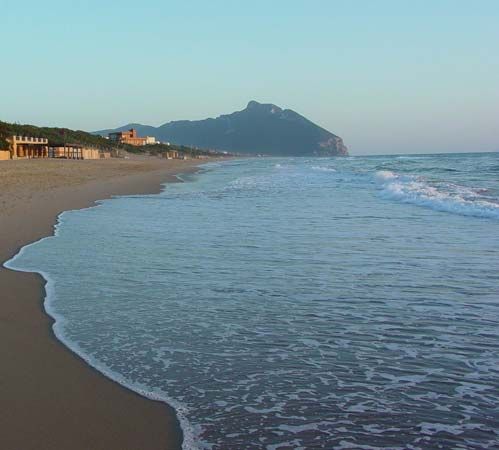
By the start of World War II, the vast majority of the original wilderness had been cleared, with the exception of the area now protected as Monte Circeo National Park. Following the war, the damaged infrastructure was repaired, ultimately turning the Agro Pontino into one of Italy’s most productive agricultural regions.1
What were the major attempts to drain and reclaim the Pontine Marshes throughout history?
The Pontine Marshes have been a site of persistent reclamation efforts for centuries due to their status as a malarial, marshy region. While the area was inhabited by the Pomptini and Ufentini tribes during early Roman times, it had already become unhealthy by the later years of the Roman Republic.1
Throughout history, various leaders sought to address the region’s lack of natural drainage—caused by low sand hills separating the area from the Tyrrhenian Sea—but these attempts were largely unsuccessful. Both Roman emperors and various popes initiated projects to drain the marshes, yet the land remained primarily a wilderness of rough pasture and scrub, inhabited only by a few shepherds, until the 20th century.1
The most significant and successful reclamation occurred in 1928, when the Fascist government launched a comprehensive drive to drain the wetlands and clear the vegetation. This project successfully transformed the area into the productive Agro Pontino, which now supports extensive agriculture and light industry.1
How did the Pontine Marshes form, and what were their historical characteristics?
The Pontine Marshes formed in a low-lying district of Lazio, Italy, primarily due to the presence of low sand hills along the coast. These dunes acted as a natural barrier, preventing the region’s water from draining into the Tyrrhenian Sea and creating a persistent wetland environment.12
Historically, the area was characterized by its unhealthy, malarial conditions, which rendered it largely uninhabitable throughout modern history. While early Roman tribes like the Pomptini and Ufentini occupied the district, it had already become a marshy, disease-prone landscape by the later years of the Roman Republic. For centuries, the region remained a wilderness covered in rough pasture and maquis (a tough scrub), with only a few shepherds and limited wheat cultivation occurring on the higher eastern edges near the Lepini Mountains. Despite numerous attempts by various emperors and popes to reclaim the land, it remained largely undeveloped until the 20th-century drainage projects.2
How has urban development progressed in the former Pontine Marshes area since their reclamation?
Following the successful reclamation of the Pontine Marshes in the early 20th century, the region underwent rapid urban and economic development. The Fascist government established several planned towns to anchor the newly reclaimed Agro Pontino, including Littoria (now Latina) in 1932, followed by Sabaudia in 1934, Pontinia in 1935, Aprilia in 1937, and Pomezia in 1939.3
Latina, in particular, emerged as a significant urban center and the capital of its own province, which was formed in 1934. Although the region suffered damage to its infrastructure and drainage systems during World War II, these were subsequently repaired, allowing the area to become one of Italy’s most productive agricultural zones.13
Beginning in 1960, the region’s economy diversified further through the introduction of light industry, supported by subsidies from the Cassa per il Mezzogiorno, or “Fund for the South.” Today, the area hosts diverse industrial activities, including beet-sugar refining, fruit and vegetable canning, glass manufacturing, and a nuclear-power station.13
Sources
- Pontine Marshes — Encyclopædia Britannica
- Pontine Marshes — Merriam-Webster
- Latina — Encyclopædia Britannica
Published on · 3 min read