Rahr Plains
The Rahr Plains, located in the state of West Bengal, are primarily recognized for their geographic and economic role as a fertile alluvial region within the…
What is the historical significance of the Rahr Plains in Indian culture and civilization?
The Rahr Plains, located in the state of West Bengal, are primarily recognized for their geographic and economic role as a fertile alluvial region within the Lower Ganges Plains. Unlike the South Bihar Plains, which are explicitly noted for their deep historical ties to the Ramayana, the Mahabharata, and the ancient Magadha kingdom, the provided search results do not attribute specific historical or cultural significance to the Rahr Plains in the context of Indian civilization.12
The region is currently defined by its agricultural output, including cereal grains and tea, and its industrial importance, particularly regarding the coalfields and steel complexes near Asansol and Durgapur. While the plains are a vital part of the modern landscape of eastern India, their historical narrative is distinct from the political and religious centers mentioned in the records of ancient Indian history.12
What role do the Rahr Plains play in India’s agricultural production and food security?
The Rahr Plains play a significant role in the regional economy of eastern India, serving as a productive agricultural hub within the Lower Ganges Plains. The region’s fertile alluvial soil supports the cultivation of a diverse range of crops that contribute to local food supplies and the broader agricultural sector.1
Key agricultural products from the Rahr Plains include:
- Cereal grains
- Pulses (legumes)
- Oilseeds
- Fruits and vegetables
- Cash crops such as betel nuts, date palms, and tea1
Beyond its direct contribution to food production, the region’s economy is bolstered by its industrial capacity, which includes the production of fertilizers and chemicals that support modern farming practices. While the area is also a major center for coal mining and steel production, its agricultural output remains a foundational element of its economic landscape.1
How do the Rahr Plains compare to other plains regions in India in terms of biodiversity?
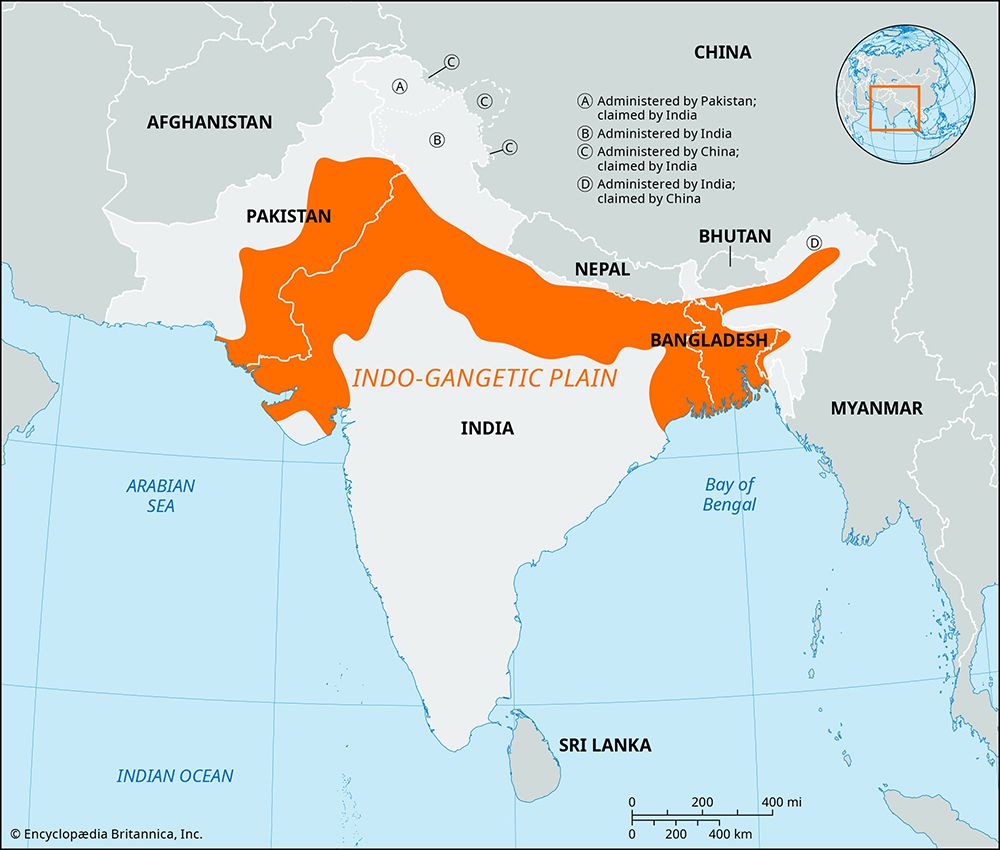
The Rahr Plains, situated in northern West Bengal, exhibit a distinct biodiversity profile compared to the broader, more monotonous stretches of the Indo-Gangetic Plain.
While much of the Indo-Gangetic Plain is characterized by intensive agricultural use of alluvial soil and a transition from humid eastern zones to the arid Thar Desert in the west, the Rahr Plains feature a unique mix of moist deciduous forests. These forests are rich in flora, including:156
- Trees: Sal (Shorea robusta), champac, and acacia.1
- Undergrowth: Bamboo, laurels, orchids, and giant creepers.1
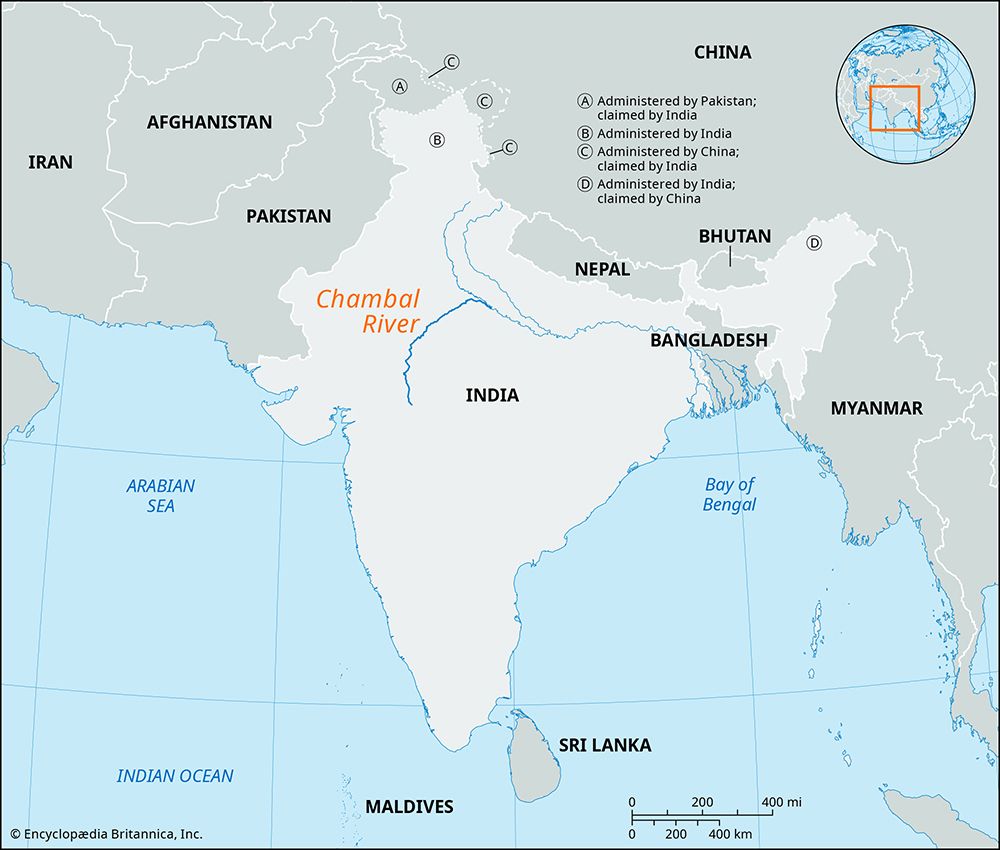
This vegetation supports significant wildlife, particularly in the northern mountainous areas, where dense forests serve as a sanctuary for the one-horned Indian rhinoceros, elephants, and tigers, notably within the Jaldapara Wildlife Sanctuary. In contrast, the central and western sections of the Indo-Gangetic Plain are largely defined by their agricultural landscape and, in the southwest, by the gullied badlands of the Chambal River, which offer a vastly different ecological character.16
What is the geographical location and extent of the Rahr Plains in India?
The Rahr Plains are a distinct geographic region located in the northern part of the West Bengal state in eastern India.1
As a component of the Lower Ganges (Ganga) Plains, the region encompasses an area of approximately 12,400 square miles (32,000 square km). The terrain is characterized by its essentially flat topography, with the notable exception of its mountainous northern reaches. The landscape is shaped by several major waterways, including the Bhagirathi, Damodar, and Ajay rivers, which meander across the plains.1
Sources
- Rahr Plains — Encyclopædia Britannica
- South Bihar Plains — Encyclopædia Britannica
- India - Harappa of India — Encyclopædia Britannica
- India - Oligarchies and kingdoms — Encyclopædia Britannica
- Indo-Gangetic Plain — Encyclopædia Britannica
- India - The Indo-Gangetic Plain — Encyclopædia Britannica
Published on · 3 min read