Prince Albert National Park
Prince Albert National Park is located in central Saskatchewan, Canada. Its main entrance is situated 25 miles (40 km) northwest of the city of Prince Albert.
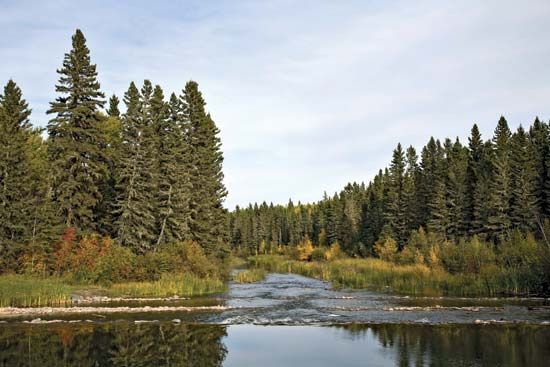
Where is Prince Albert National Park located in Saskatchewan, and how large is it?
Prince Albert National Park is located in central Saskatchewan, Canada. Its main entrance is situated 25 miles (40 km) northwest of the city of Prince Albert.
The park covers an area of 1,496 square miles (3,875 square km). It is characterized by a landscape of woodlands, streams, and numerous lakes, including Kingsmere, Waskesiu, and Crean.1
What are some of the most notable lakes within Prince Albert National Park?
Prince Albert National Park is home to several notable lakes that form connected waterways, providing excellent opportunities for canoeing and boating. The most prominent lakes within the park include:
- Kingsmere Lake
- Waskesiu Lake
- Crean Lake
In addition to these major bodies of water, the park contains dozens of smaller lakes throughout its woodland landscape. Waskesiu Lake serves as the location for the park headquarters and a museum dedicated to the region’s wildlife.1
What kind of wildlife can visitors expect to see in Prince Albert National Park?
Prince Albert National Park serves as a vital sanctuary for a wide variety of wildlife. Visitors to the park can expect to see the following animals:
- Large Mammals: The park is home to moose, elk, caribou, and bears.1
- Fur-bearing Animals: Various species of fur-bearing mammals inhabit the woodland and lake areas.1
- Birds: The park is a significant sanctuary for birdlife, with notable populations of cormorants and white pelicans.1
For those interested in viewing these species, the park headquarters at Waskesiu features a museum that houses a collection of the region’s wildlife.1
How was Prince Albert National Park established, and what is its historical significance?
Prince Albert National Park was established in 1927 in central Saskatchewan, Canada.1
The park holds historical and geographical significance as a transition zone located north of the great agricultural prairies, situated between the watershed areas of the Churchill and North Saskatchewan rivers. Covering 1,496 square miles (3,875 square km), it serves as a vital sanctuary for diverse wildlife, including moose, elk, caribou, and various bird species.1
The park is closely linked to the nearby city of Prince Albert, which serves as its primary gateway. While the city itself has a rich history dating back to its founding as a Presbyterian mission station in 1866, the national park was created to preserve the unique woodland and lake ecosystems of the region, providing a protected space for nature and recreation.21
Sources
- Prince Albert National Park — Encyclopædia Britannica
- Prince Albert — Encyclopædia Britannica
- Prince Albert National Park — Merriam-Webster
- Elk Island National Park — Encyclopædia Britannica
Published on · 2 min read