Flax
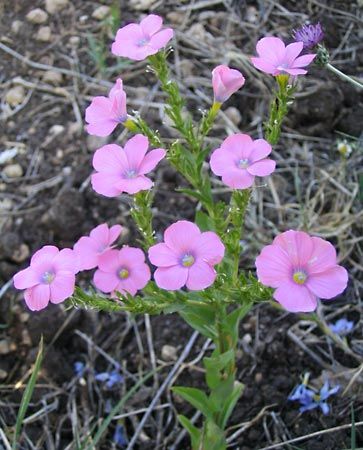
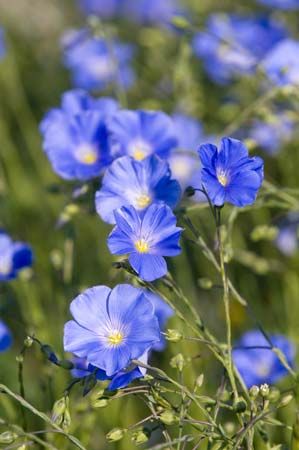
Flax (Linum usitatissimum) is a versatile herbaceous annual cultivated for its fiber and nutritious seeds.
How is flax cultivated and what are the ideal growing conditions?
Flax (Linum usitatissimum) is a versatile herbaceous annual cultivated for its fiber and nutritious seeds.12
Ideal Growing Conditions
Flax is adaptable to various climates and soils, but it thrives best in temperate regions with well-drained sandy loam. For optimal fiber production, cool and moist growing seasons are preferred. To prevent soil exhaustion, it is standard practice to limit the planting of flax on the same land to once every six years.1
Cultivation Practices
Cultivation techniques vary depending on the intended harvest:
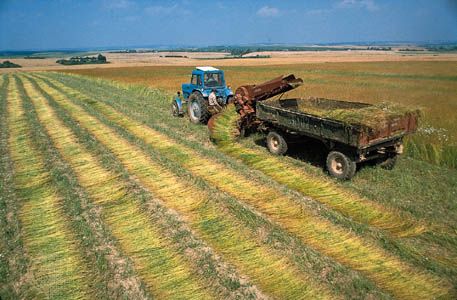
- For Fiber: Plants are densely sown to encourage height, typically reaching 0.9 to 1.2 meters (3 to 4 feet) with minimal branching. Harvesting occurs once the lower stalk turns yellow but before the fruit fully matures.1
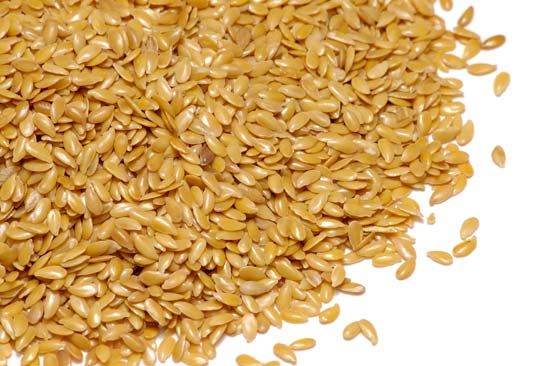
- For Seed: Varieties grown for flaxseed are shorter and more branched to maximize seed yield.12
How does flax compare to cotton in terms of sustainability and durability?
When comparing flax (which produces linen) to cotton, there are distinct differences in their physical properties and durability.
Durability and Performance
Linen is generally stronger than cotton. It is highly valued for its durability, luster, and ability to withstand moisture; in fact, linen actually increases in strength when wet. Additionally, linen dries more quickly than cotton and is more resistant to degradation from sunlight exposure. While linen is a robust fiber, its low elasticity gives it a smooth, hard texture that makes it more prone to wrinkling compared to cotton.31
Sustainability Considerations
The provided search results do not contain specific comparative data regarding the environmental sustainability or agricultural impact of flax versus cotton cultivation. While it is noted that flax requires careful crop rotation—typically limited to once every six years to avoid soil exhaustion—a direct sustainability assessment relative to cotton is not available in the current knowledge base.1
What is flax and where does it originate from?
Flax (Linum usitatissimum) is a herbaceous annual plant in the family Linaceae. It is primarily cultivated for two purposes: its bast fiber, which is processed into linen fabric, and its nutritious seeds, known as flaxseed or linseed, which provide linseed oil.1
Regarding its origins, while a specific geographic point of origin is not explicitly defined, flax is recognized as one of the oldest textile fibers used by humans. Archaeological evidence of its use has been discovered in prehistoric lake dwellings in Switzerland, and it was famously utilized by the ancient Egyptians for fine linen fabrics. The plant’s name is derived from the Old English fleax, with roots tracing back to the Middle English period and linguistic connections to Old High German and Latin.14
What are some common products that contain flax or flaxseed oil?
Flax and its derivative, linseed oil, are utilized in a wide variety of consumer and industrial products.
Food and Nutritional Products
Flaxseeds are widely consumed as a health food due to their high content of omega-3 fatty acids, dietary fiber, and protein. Common uses include:12
- Dietary Additions: Whole or ground seeds are added to salads, morning cereals, and smoothies.12
- Baked Goods: Seeds are frequently incorporated into various breads and pastries.12
- Nutritional Supplements: Food-grade linseed oil (often labeled as flaxseed oil) is taken as a supplement for its health benefits.62
Industrial and Household Products
Because linseed oil is a “drying oil”—meaning it thickens and hardens upon exposure to air—it is a key ingredient in many manufactured goods:62
- Coatings and Finishes: It is used in the production of wood varnish, stains, and various paints, most notably as a binder in artists’ oil paints.62
- Materials: It is a component in the manufacturing of linoleum, oilcloth, and printing inks.16
- Surface Protection: It is used as a coating for concrete surfaces, such as bridges and parking lots, to repel water and prevent rust.6
- Textiles: Flax fiber is processed into linen for apparel and household furnishings, while lower-grade fibers are used for heavy-duty items like canvas, twine, fire hoses, and fish nets.1
Sources
- flax — Encyclopædia Britannica
- linseed oil — Encyclopædia Britannica
- Linen — Encyclopædia Britannica
- flax — Merriam-Webster
- flowering flax — Merriam-Webster
- flaxseed — Encyclopædia Britannica
Published on · 3 min read