Urticaceae
The premise that the family Urticaceae is divided into distinct subfamilies is not supported by the provided information. Instead, the literature identifies…
What are the key differences between the subfamilies within Urticaceae?
The premise that the family Urticaceae is divided into distinct subfamilies is not supported by the provided information. Instead, the literature identifies the family as a member of the suborder Urticineae within the order Rosales, and it notes the existence of specific tribes, such as the tribe Urereae (also known as Urticeae), rather than subfamilies.
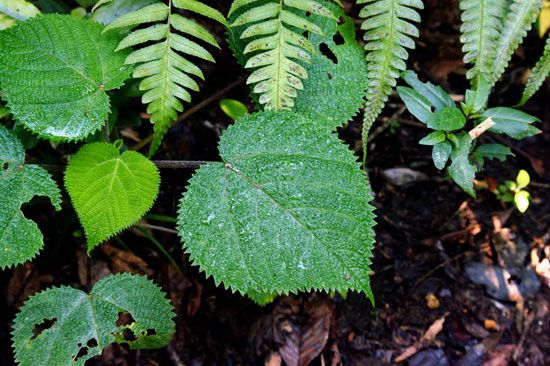
Members of the Urticaceae family are characterized by several shared features, including:
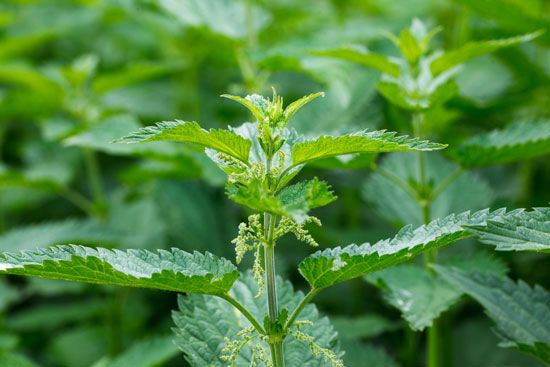
- Stinging Hairs: Many species, particularly within the tribe Urereae, possess specialized stinging trichomes that inject irritants like histamine, acetylcholine, and serotonin.
- Cystoliths: The presence of calcium carbonate deposits within enlarged epidermal cells, which are thought to provide protection against herbivores.
- Floral Structure: Flowers are typically inconspicuous, greenish, and lack petals. They are often unisexual, with male flowers featuring stamens that are held under tension and spring open to release pollen in a cloud.
What are the economic and cultural uses of plants in the Urticaceae family?
Plants in the Urticaceae family, commonly known as the nettle family, have a variety of economic and cultural applications ranging from textile production to traditional medicine.
Textile and Industrial Uses
Several species are valued for their long, durable bast fibres. The most prominent is ramie (Boehmeria nivea), which is cultivated for its high tensile strength, making it suitable for blending with synthetic fibres, as well as for producing cordage, industrial bagging, and paper. Historically, Touchardia latifolia (olona) was used in Hawaii to create durable fishnets, cloth, and cordage. Additionally, the lightweight wood of the umbrella tree (Musanga cecropioides) serves as a substitute for cork in insulation and floats, while Cecropia peltata (trumpetwood) is utilized in the manufacture of plywood and boxes.13
Medicinal and Culinary Uses
Stinging nettle (Urtica dioica) is widely recognized in herbal medicine. Its young leaves are consumed as a nutritious potherb after cooking, which neutralizes the stinging [trichomes]. In folk medicine, the plant is used to treat various ailments, including arthritis, diabetes, and urinary disorders, while topical applications are sometimes used for skin conditions like eczema.14
Ornamental and Ecological Roles
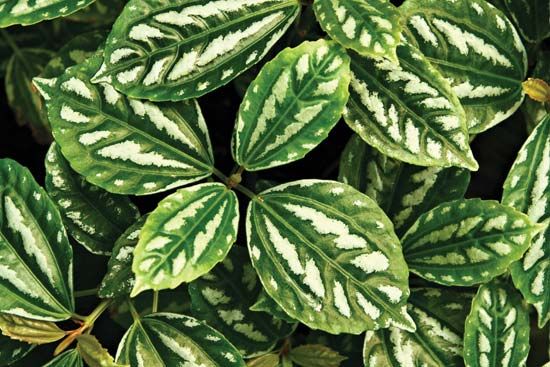
Many species are grown as ornamentals, such as the artillery plant (Pilea microphylla) and baby tears (Helxine soleiroli). Ecologically, some species like Cecropia maintain complex symbiotic relationships with ants, which protect the plants from herbivores.13
How have Urticaceae plants been used in traditional medicine?
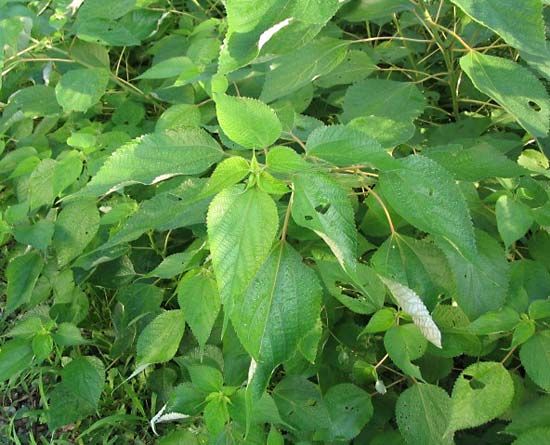
Plants in the Urticaceae family, particularly the stinging nettle (Urtica dioica), have a long history of use in traditional and folk medicine. While clinical evidence supporting their efficacy remains limited, they are utilized for a wide array of health conditions.3
Traditional Medicinal Applications
- Urinary and Prostate Health: The rootstock is frequently employed as a diuretic and as a treatment for benign prostatic hyperplasia (prostate enlargement) and other urinary disorders.3
- Joint and Muscular Pain: Tea prepared from the leaves is used to address arthritis and gout. Additionally, a practice known as “urtification”—the direct application of fresh stinging leaves to joints—is used to stimulate blood flow and alleviate pain.3
- Systemic and Skin Conditions: Infusions of the leaves have been used to treat diabetes and hay fever. Furthermore, topical creams derived from the plant are applied to manage skin ailments such as eczema and dandruff.3
What is the origin and meaning of the name ‘Urticaceae’?
The name Urticaceae is derived from New Latin, combining the name of the type genus, Urtica, with the botanical suffix -aceae, which is used to denote a plant family.4
The genus name Urtica itself comes from the Latin word for “nettle”. This term is deeply associated with the defining characteristic of many plants in this family: their possession of stinging hairs. These hairs function like hypodermic needles, breaking upon contact to inject irritating compounds—such as histamine, acetylcholine, and serotonin—into the skin.26
Sources
- Urticaceae — Encyclopædia Britannica
- Rosales - Characteristic morphological features — Encyclopædia Britannica
- Stinging nettle — Encyclopædia Britannica
- Urticaceae — Merriam-Webster
- Rosales - Urticaceae — Encyclopædia Britannica
- nettle — Merriam-Webster
- urticose — Merriam-Webster
Published on · 3 min read