Red Oak
Within the genus Quercus (the oak genus), red oaks are classified under the subgenus Erythrobalanus.
What is the scientific classification of red oaks within the larger oak genus?
Within the genus Quercus (the oak genus), red oaks are classified under the subgenus Erythrobalanus.12
This group is distinct from other oak subgenera, such as the white oaks (Leucobalanus) and Cyclobalanus. Members of the Erythrobalanus subgenus are characterized by several specific botanical traits:2
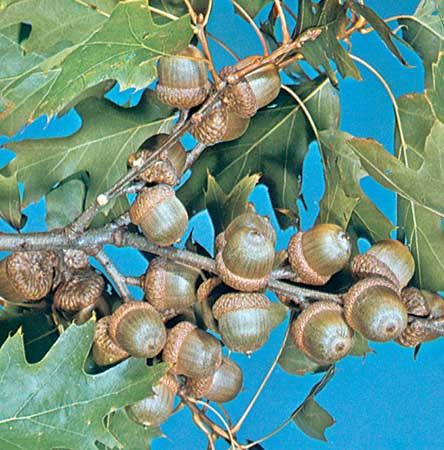
- Leaves: They possess bristle-tipped lobes.12
- Acorns: The shells of their acorns are lined with hairs, and the seeds are bitter.12
- Maturation: Unlike white oaks, whose acorns mature in a single season, the fruits of red oaks require two growing seasons to reach maturity.12
Common examples within this group include the northern red oak, black oak, pin oak, and scarlet oak. In the lumber trade, the wood from all trees in this subgenus is collectively referred to as “red oak”.1
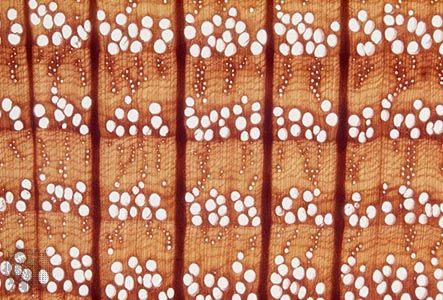
How are red oaks used in landscaping, construction, and other human activities?
Red oaks are highly valued for their dual roles as ornamental plants and essential timber sources.
Landscaping
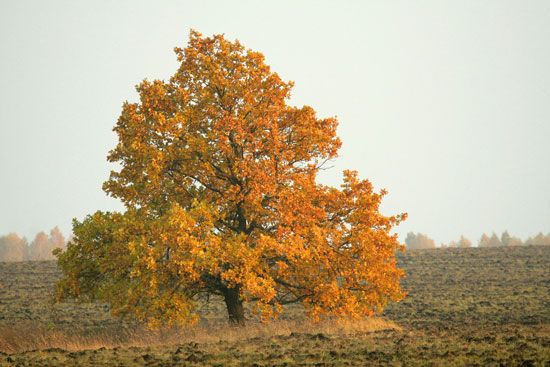
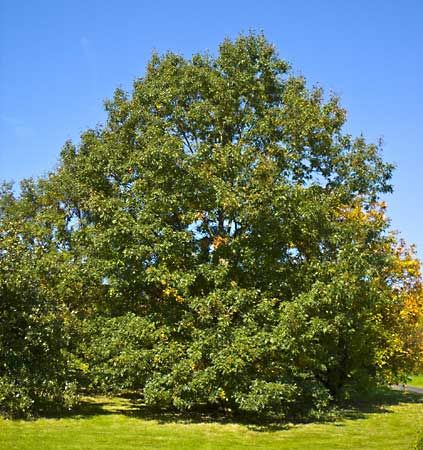
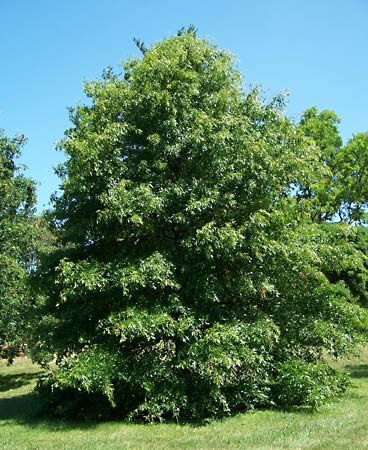
Many species within the red oak subgenus are popular choices for landscaping due to their rapid growth and aesthetic appeal. The northern red oak is frequently cultivated as an ornamental tree, prized for its wide-spreading crown and vibrant red-orange autumn foliage. Similarly, the scarlet oak is widely planted for its striking scarlet autumn leaves, while the southern red oak and cherry-bark oak are also utilized for their ornamental qualities in various settings.1
Construction and Timber
In the lumber trade, wood harvested from all members of the red oak group is collectively marketed as “red oak.” These trees are considered valuable timber sources, with species such as the northern red oak, southern red oak, cherry-bark oak, scarlet oak, Nuttall oak, and Shumard oak being particularly significant. Once processed at a sawmill, this wood is converted into sawn lumber used in various construction and manufacturing applications.14
What are the main characteristics that distinguish red oaks from other oak species?
Red oaks, which belong to the subgenus Erythrobalanus, are primarily distinguished from other oak groups—such as the white oaks (Leucobalanus)—by several specific botanical characteristics:13
- Leaf Structure: Red oaks possess leaves with bristle-tipped lobes, whereas white oaks have smooth, non-bristle-tipped leaves.13
- Acorn Development: The acorns of red oaks require two growing seasons to reach maturity. In contrast, white oak acorns mature in a single season.13
- Internal Anatomy: The shells of red oak acorns are lined with woolly hairs, and the seeds themselves are bitter. White oak acorns lack these hairy linings and contain sweet-tasting seeds that germinate shortly after falling.13
These traits provide a clear biological separation between the groups, even though the genus Quercus as a whole is known for complex hybridization. In the commercial lumber industry, the wood from all species within the red oak subgenus is collectively marketed as “red oak,” regardless of the specific tree species.31
Which regions are red oaks native to, and how have they spread to other areas?
Red oaks, which comprise the subgenus Erythrobalanus, are native to North America. They are widely distributed across the continent, with various species adapted to diverse environments ranging from the sandy soils of eastern North America to the dry uplands of Texas.143
While the provided information confirms their status as native North American trees, it does not detail specific historical patterns of human-assisted spread or natural migration to other continents. Generally, oaks in the genus Quercus are distributed throughout the north temperate zone and at high altitudes in the tropics, but the specific “red oak” group is defined by its North American origins. Many of these species are now cultivated globally as ornamental trees due to their aesthetic value, particularly their vibrant autumn foliage.16
Sources
- red oak — Encyclopædia Britannica
- chestnut oak — Encyclopædia Britannica
- oak — Encyclopædia Britannica
- red oak — Merriam-Webster
- wood - Production at the sawmill — Encyclopædia Britannica
- Texas red oak — Merriam-Webster
Published on · 3 min read