Water Oak
The water oak (Quercus nigra) is an ornamental tree native to the southeastern coastal plains of the United States. While it thrives in moist environments…
What is Water oak?
The water oak (Quercus nigra) is an ornamental tree native to the southeastern coastal plains of the United States. While it thrives in moist environments like stream banks, it is adaptable enough to tolerate drier soils.12
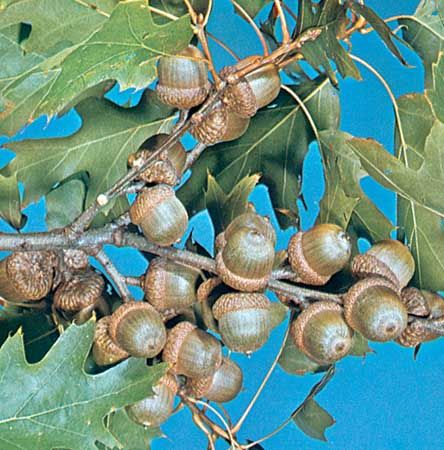
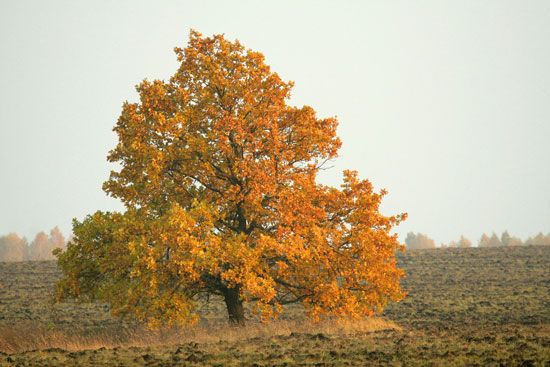
Typically reaching heights of up to 25 meters (82 feet), the water oak is often utilized as a shade tree due to its broad canopy. Its leaves are characteristically glossy and blue-green, often appearing spoon-shaped or oblong, and they may persist into the winter after turning yellow in the autumn. The tree produces abundant small acorns held in shallow, scaly, or hairy cups. As a member of the Fagaceae family, it is a relatively short-lived species, generally surviving for less than 80 years.1
What are the main differences between deciduous and evergreen oaks?
The primary distinction between deciduous and evergreen oaks lies in their leaf-retention patterns throughout the year. While both belong to the genus Quercus, their physiological responses to seasonal changes differ significantly.1
Key Differences
- Leaf Persistence: Deciduous oaks shed their leaves annually, typically in the autumn, as part of their seasonal cycle. In contrast, evergreen oaks retain their foliage throughout the year, maintaining a green canopy even during winter months.1
- Physical Characteristics: Both types feature alternate, simple leaves that may be lobed, toothed, or have entire margins. However, the specific timing of leaf drop is the defining trait that separates these two categories within the genus.1
- Growth and Adaptation: Oaks are generally hardy and can thrive in various soil conditions, ranging from moderately moist, rich soil to dry, sandy environments. While many species are long-lived, they are generally not shade-tolerant and can be susceptible to specific pests or fungal issues like oak wilt.1
How do acorns help local wildlife in the southeastern United States?
Acorns serve as a vital food source for a wide variety of wildlife in the southeastern United States. These nuts, which are the fruit of the oak tree, provide essential nutrition that helps sustain numerous animal populations.4
In the diverse ecosystems of the Southeast, many forest-dwelling species rely on acorns as a primary component of their diet. Animals such as black bears, squirrels, and wild turkeys are among the many creatures that forage for these nuts to meet their energy needs. By providing a reliable and energy-dense food supply, acorns play a critical role in supporting the health and survival of these local wildlife populations.54
What are some other common types of oak trees found in North America?
North American oak trees are primarily categorized into two major groups: the white oaks and the red and black oaks. These groups are distinguished by leaf characteristics, acorn maturation times, and seed taste.6
Common North American Oaks
- White Oak Group: These species typically have leaves with rounded, non-bristle-tipped lobes. Their acorns mature in a single season and are generally sweet-tasting. Notable examples include:6
- Red and Black Oak Group: These trees feature bristle-tipped leaves and bitter-tasting acorns that require two seasons to mature. Common species include:36
- Northern red oak (Q. rubra): A widely cultivated ornamental and timber tree that can grow quite tall.3
- Black oak (Q. velutina): Found throughout the eastern United States, known for its tannin-rich inner bark.7
- Pin oak (Q. palustris): A popular ornamental tree in North American landscapes.6
- Scarlet oak (Q. coccinea): Valued for its vibrant scarlet autumn foliage.3
Sources
Published on · 3 min read