Rhodnius Prolixus
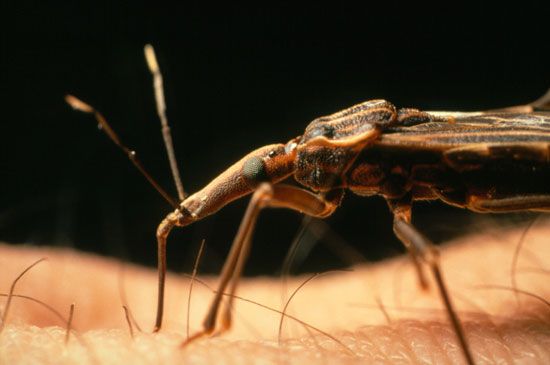
Rhodnius prolixus is a parasitic, blood-feeding assassin bug native to northern South America. Often called a kissing bug, it is a primary vector for the…
What is Rhodnius prolixus?
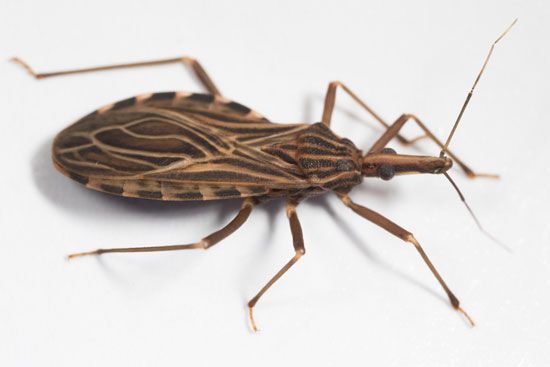
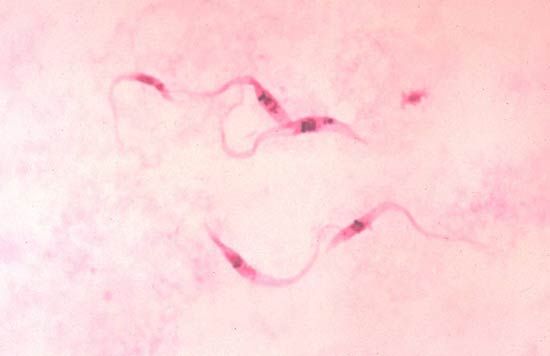
Rhodnius prolixus is a parasitic, blood-feeding assassin bug native to northern South America. Often called a kissing bug, it is a primary vector for the protozoan parasite Trypanosoma cruzi, which causes Chagas disease in humans and other mammals.12
The insect transmits the parasite by depositing infected excrement on a host’s skin while feeding. The parasite enters the bloodstream through mucous membranes or skin abrasions, often when the victim scratches the bite site.12
Beyond its role in disease, R. prolixus is a significant model organism in science. Research by Sir Vincent Wigglesworth on this species in the 1930s was foundational to understanding insect metamorphosis and hormonal regulation. Additionally, it was the first hemimetabolous species to have its genome sequenced.2
How does the life cycle of a kissing bug differ from that of a mosquito?
The primary difference between the life cycles of a kissing bug (such as Rhodnius prolixus) and a mosquito lies in their pattern of metamorphosis.
Kissing Bug: Hemimetabolous Development
Kissing bugs undergo hemimetabolous (incomplete) metamorphosis, which consists of three stages: egg, nymph, and adult.34
- Nymphs: Immature kissing bugs resemble the adults in form and eating habits, differing primarily in size, color, and body proportions.34
- Development: They develop gradually through five molts, with rudimentary wings developing externally. Both nymphs and adults are hematophagous (blood-feeding) and share similar ecological niches.34
Mosquito: Holometabolous Development
Mosquitoes undergo holometabolous (complete) metamorphosis, consisting of four distinct stages: egg, larva, pupa, and adult.24
- Larvae and Pupae: Unlike the kissing bug, the mosquito’s immature stages are morphologically distinct from the adult and occupy a different environment (water). Larvae (wrigglers) feed on organic debris or algae, while the pupal stage (tumblers) is active and free-swimming.25
- Transformation: The dramatic change into the adult form occurs during the pupal stage, where larval tissues are broken down and adult structures, such as wings, are developed.4
What are some other insects that act as disease vectors for humans?
Beyond mosquitoes and kissing bugs, several other insects and arthropods serve as significant vectors for human diseases. These organisms transmit pathogens through bites, contamination, or other interactions with human hosts.7
Common Disease-Transmitting Insects and Arthropods
- Tsetse flies (Glossina): These flies transmit protozoan trypanosomes that cause sleeping sickness in humans and nagana in cattle across Africa.7
- Lice (Pediculus): These insects are responsible for transmitting epidemic typhus (caused by rickettsia) and epidemic relapsing fever (caused by spirochetes).7
- Sand flies (Phlebotomus): These vectors carry the protozoan parasites responsible for leishmaniasis, including conditions like kala azar and Oriental sore.78
- Fleas: Fleas are primary vectors for the bubonic plague bacillus, typically spreading the disease to humans when infected fleas from rodents are forced to seek new hosts.7
- Houseflies (Musca): While not biological vectors in the same way as biting insects, they can mechanically spread intestinal infections like typhoid and dysentery by contaminating food.7
- Ticks: Although they are arachnids rather than insects, ticks are among the most prolific disease carriers, transmitting Lyme disease, Rocky Mountain spotted fever, tularemia, and various encephalitis viruses.9
Understanding these vectors is essential for public health, as climate change and human activity continue to expand the habitats and activity seasons of many of these disease-carrying species.9
Why is the study of insect hormones important for modern science?
The study of insect hormones is vital to modern science, particularly for the development of sustainable pest management and the advancement of biological control methods. By understanding the endocrine systems that regulate insect development, scientists can create targeted solutions that minimize the environmental and health risks associated with traditional, broad-spectrum chemical insecticides.13
Key Applications in Science and Agriculture
- Development of Targeted Insecticides: Research into juvenile hormone has been transformative. Because this hormone controls the transition between larval and adult stages, synthetic compounds that mimic its effects can be used to disrupt an insect’s life cycle, effectively killing pests by preventing them from reaching maturity.14
- Biological Pest Control: Scientists utilize knowledge of insect growth hormones and pheromones to devise species-specific traps and control strategies. These methods are often more environmentally friendly than conventional chemicals, as they can be designed to attract or sterilize only specific pest populations, reducing collateral damage to beneficial insects and the surrounding ecosystem.151316
- Understanding Gene Expression: The study of hormones like ecdysone provides deep insights into how hormones control RNA synthesis and protein synthesis at the cellular level. This fundamental research helps scientists understand how genes are regulated during development, which has broad implications for biological science.14
Sources
- Rhodnius prolixus: Top Questions — Encyclopædia Britannica
- Rhodnius prolixus — Encyclopædia Britannica
- Diptera - General features — Encyclopædia Britannica
- mosquito - Physical features and behavior — Encyclopædia Britannica
- Metamorphosis — Encyclopædia Britannica
- Lepidoptera - The adult — Encyclopædia Britannica
- insect - Medical significance — Encyclopædia Britannica
- tick — Encyclopædia Britannica
- sand fly — Encyclopædia Britannica
- mosquito - Aedes mosquitoes — Encyclopædia Britannica
- heteropteran - Harmful aspects — Encyclopædia Britannica
- mosquito: Top Questions — Encyclopædia Britannica
- Hormone - Molting hormones — Encyclopædia Britannica
- Steroid - Steroids of insects, fungi, and other organisms — Encyclopædia Britannica
- Hormone - Pheromones — Encyclopædia Britannica
- insect - Control of insect damage — Encyclopædia Britannica
- genetic engineering - Applications — Encyclopædia Britannica
- Origins of agriculture - Integrated control — Encyclopædia Britannica
- endocrine disruptor - Early discoveries of endocrine disruptors — Encyclopædia Britannica
Published on · 4 min read