Witchweed
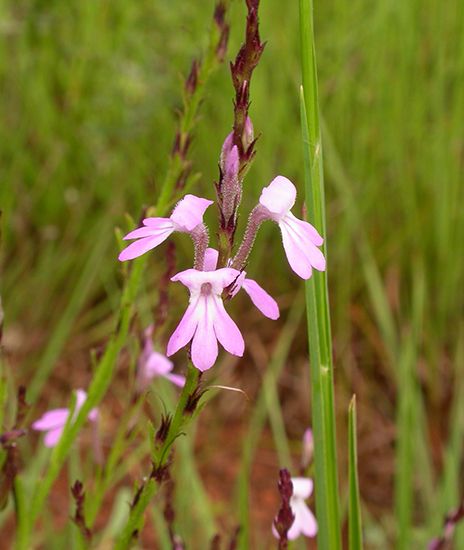
Witchweed (Striga) is a genus of parasitic plants that primarily targets cereal and agricultural crops. Its most common host plants include corn (maize)…
What are the primary host plants for witchweed, and how does it attach to them?
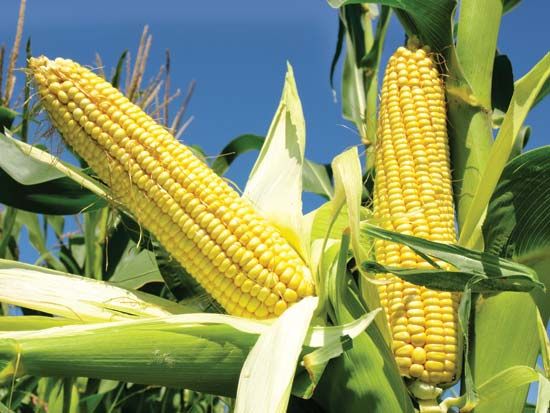
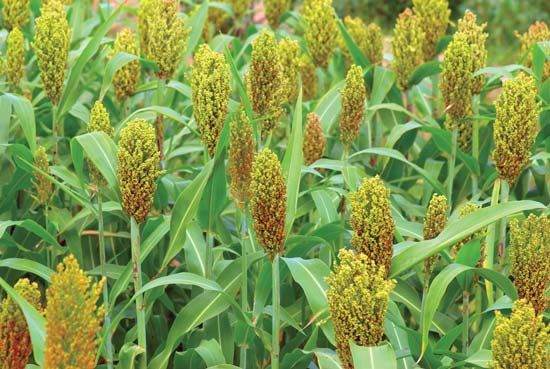
Witchweed (Striga) is a genus of parasitic plants that primarily targets cereal and agricultural crops. Its most common host plants include corn (maize), sorghum, rice, sugarcane, and tobacco.12
The attachment process is highly specialized and begins underground. Witchweed seeds remain dormant in the soil until they detect chemical signals—specifically strigolactones—exuded by the roots of a nearby host plant. This signal triggers the germination of the parasite seed.21
Once germinated, the witchweed radicle (embryonic root) grows a short distance to make physical contact with the host root. It then develops a specialized organ known as a haustorium, which penetrates the host tissue to establish a vascular union. Through this connection, the witchweed extracts water and mineral nutrients from the host, often causing the host plant to become stunted, chlorotic, or even die.21
What is witchweed and why is it considered a parasitic plant?
Witchweed (genus Striga) is a group of approximately 30 species of parasitic plants belonging to the family Orobanchaceae. These plants are primarily found in the Old World tropics and are notorious for their destructive impact on agricultural crops, including corn, sorghum, rice, sugarcane, and tobacco.1
Witchweed is classified as a parasitic plant because it obtains essential nutrients and water directly from a host plant, often causing the host to become stunted, chlorotic, or even die. The defining structural feature of this parasitism is the haustorium, a specialized organ that penetrates the host’s tissues to establish a vascular union between the two plants.12
Witchweed is considered a hemiparasite; while it can photosynthesize its own food after emerging above ground, it remains entirely dependent on its host for water and minerals during the first four to six weeks of its life cycle, which are spent underground. Its common name reflects the dramatic, seemingly magical way it arrests the growth of crops and devastates yields.12
How does witchweed affect crop yields and agricultural production?
Witchweed (Striga) significantly disrupts agricultural production by acting as a root parasite on vital crops such as corn, sorghum, rice, and sugarcane.11
The impact on crop yields is severe due to the following factors:
- Nutrient and Water Theft: By establishing a haustorium—a specialized organ that connects to the host’s vascular system—the parasite robs the host of essential water and minerals.41
- Growth Inhibition: Infested plants often appear stunted, chlorotic (yellowing), and wilted. Because the parasite is most destructive during its first four to six weeks spent underground, it can severely hinder a plant’s development before the farmer even notices an infestation.41
- Yield Devastation: In many cases, the host plant may produce no yield at all, or the total harvest may be sharply reduced. In instances of severe infestation, the host plant may die entirely before reaching maturity.41
Because a single witchweed plant can produce hundreds of thousands of long-lived seeds, infestations are difficult to control and can persist in soil for years.41
How does witchweed spread, and in which regions of the world is it most problematic?
Witchweed (Striga) spreads primarily through its prolific production of minute seeds. A single plant can generate hundreds of thousands of these tiny seeds, which are easily dispersed and can remain viable in the soil for several years. Germination is triggered specifically when these seeds come into contact with chemical secretions from the roots of a suitable host plant.14
Regarding its distribution, witchweed is most problematic in the following regions:
- Africa: It is widely distributed across southern Africa and the Sahel, where it is considered particularly destructive to agricultural stability.14
- Asia: The plant is also widely established throughout various parts of Asia.4
- Other Regions: While native to the Old World tropics, witchweed has been introduced to other parts of the globe, including the southeastern United States, where it has become an invasive pest.45
Because these seeds can persist in the soil for long periods and parasitize over 50 species of grasses and sedges, managing their spread remains a significant challenge for global agriculture.4
Sources
- Witchweed — Encyclopædia Britannica
- Parasitic plant — Encyclopædia Britannica
- Striga — Merriam-Webster
- Plant disease - Witchweed — Encyclopædia Britannica
- witchweed — Merriam-Webster
Published on · 3 min read