Sunn
The sunn plant (Crotalaria juncea), a member of the Fabaceae family, serves as a valuable green manure crop used to improve soil health. Farmers cultivate…
What role does the sunn plant play in crop rotation and soil health?
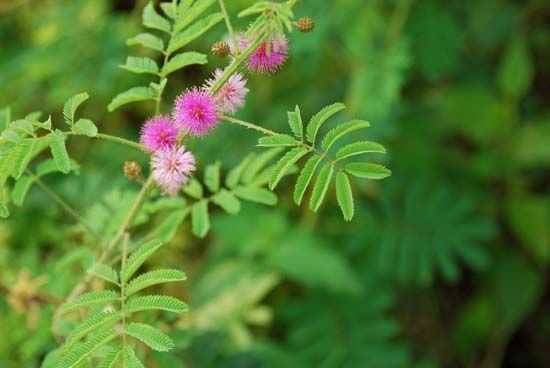
The sunn plant (Crotalaria juncea), a member of the Fabaceae family, serves as a valuable green manure crop used to improve soil health. Farmers cultivate the plant and plow it into the ground when it begins to flower, a process that effectively fertilizes the soil.1
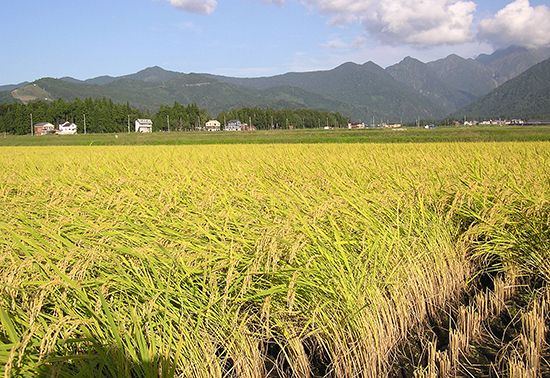
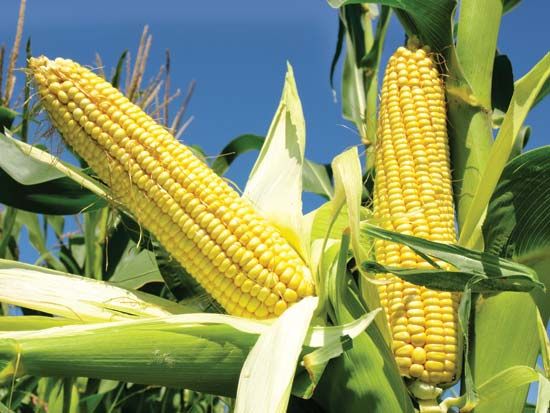
Because the plant is adaptable to poor soils and arid climates, it is frequently grown in rotation with major agricultural crops such as rice, corn, and cotton. By incorporating sunn into these rotations, producers can enhance soil fertility and structure, supporting the health of subsequent harvests.1
Are there any traditional medicinal uses for the sunn plant?
Sorry, the Britannica knowledge base does not contain information regarding traditional medicinal uses for the sunn plant.
How is the sunn plant harvested and processed?
The harvesting and processing of the sunn plant (Crotalaria juncea) for fiber production involve several distinct steps to extract the valuable bast fiber from the plant stalks.5
Harvesting
When grown for fiber, the plants are either cut or pulled out by hand once the seedpods begin to form. This timing is critical to ensure the quality and yield of the fiber strands.5
Processing
Once harvested, the fibers are extracted through a systematic process:
- Retting: The stalks undergo a retting operation, which involves soaking them in water to loosen the fibers from the woody core and the cohesive gum, or pectin, that strengthens the stem.15
- Stripping and Cleaning: After retting, the fibers are stripped from the stalks, washed, and dried.5
- Decortication: While retting is the standard method, fibers can sometimes be obtained through decortication, which is a manual or mechanical peeling operation used to separate the fiber from the stalk.1
The resulting fiber strands, which typically measure 1 to 1.5 meters (3.3 to 5 feet) in length, are then ready for use in various industrial applications, such as cordage, sacking, and paper manufacturing.5
What is the scientific name and classification of the sunn plant?
The sunn plant, scientifically known as Crotalaria juncea, is an annual herb classified within the pea family, Fabaceae.11
Native to the Indian subcontinent, it is a member of the bast fibre group and is widely cultivated for its durable fibers and its use as green manure to improve soil fertility.1 Despite its common name, it is important to note that the sunn plant is not a true hemp.6
Sources
- sunn — Encyclopædia Britannica
- sunn hemp — Merriam-Webster
- sun hemp — Merriam-Webster
- hemp — Encyclopædia Britannica
- Bast fiber — Encyclopædia Britannica
- sunn — Merriam-Webster
Published on · 2 min read