River Lagan
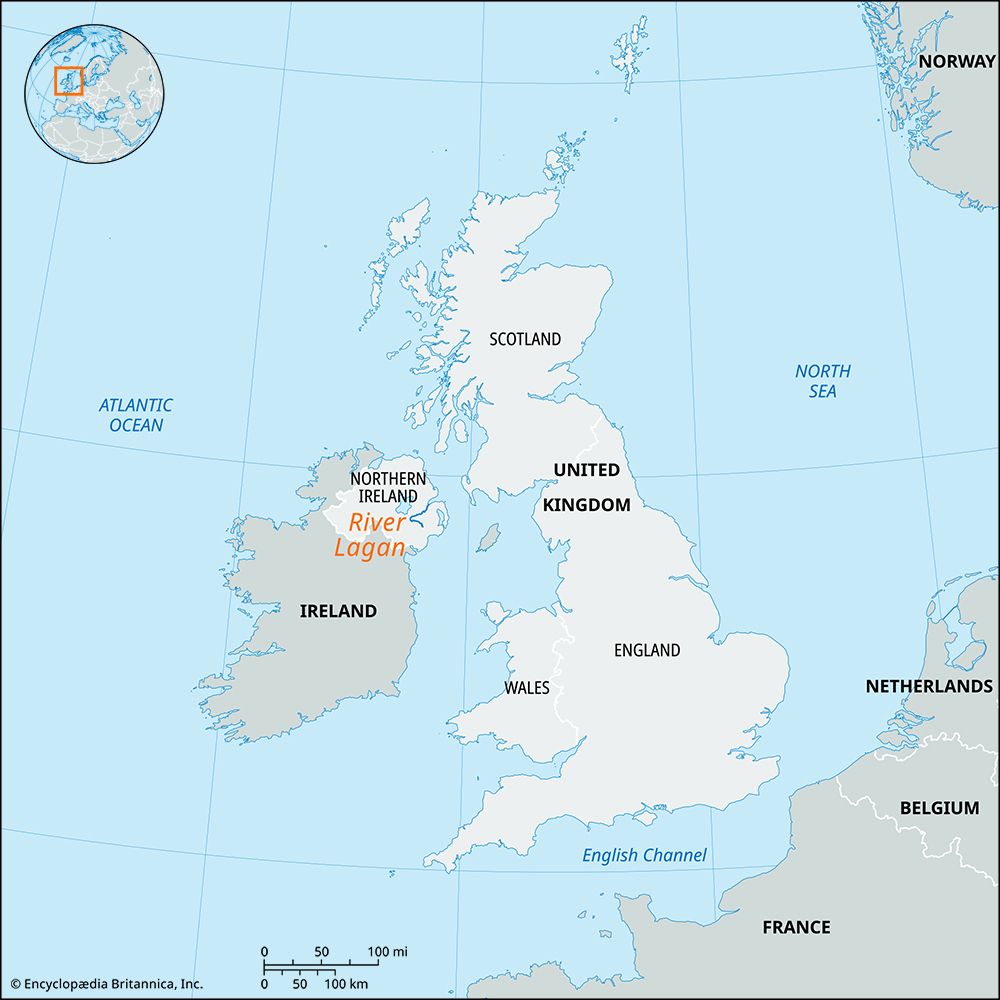
The River Lagan is a river located in eastern Northern Ireland. It originates on the western slopes of Slieve Croob and travels for 45 miles (73 km) before…
What is River Lagan?
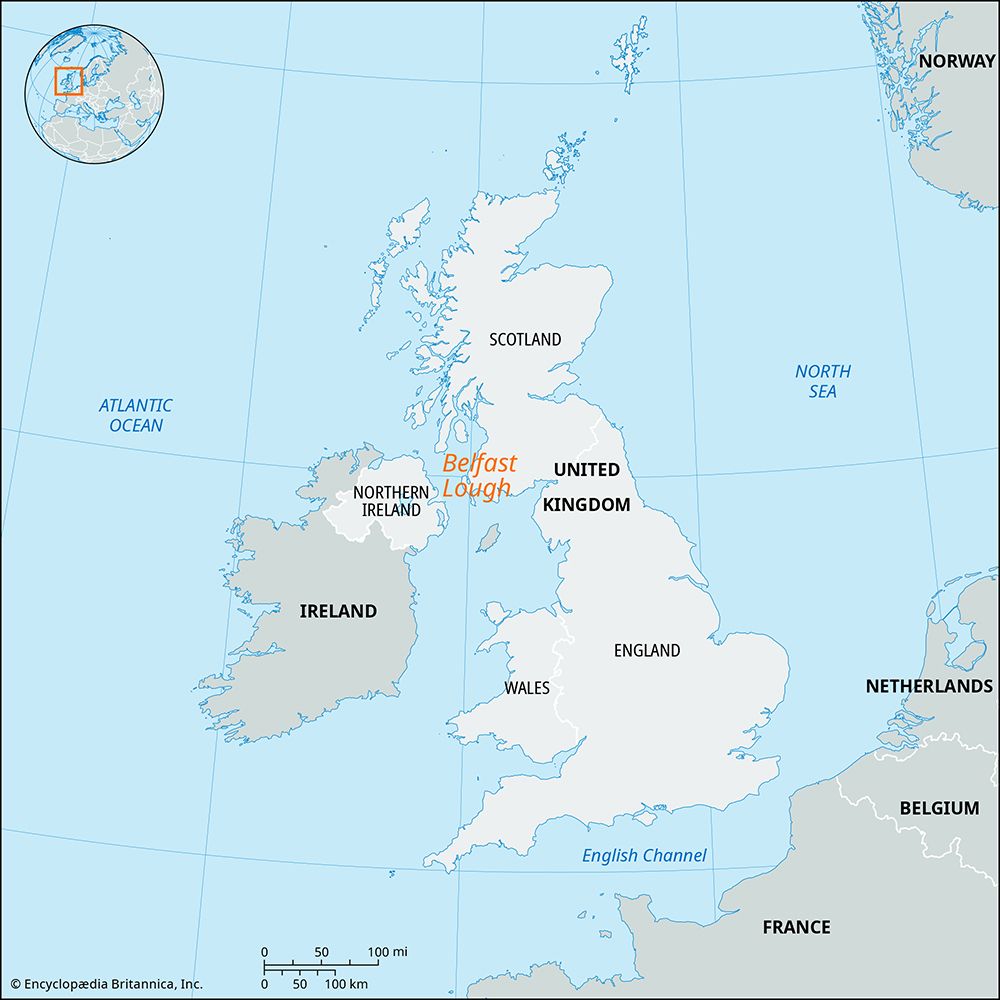
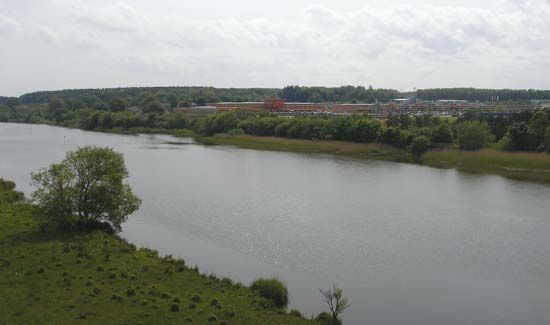
The River Lagan is a river located in eastern Northern Ireland. It originates on the western slopes of Slieve Croob and travels for 45 miles (73 km) before flowing through the city of Belfast and emptying into Belfast Lough.1
The Lower Lagan Valley is recognized as one of the most heavily urbanized and industrialized areas within Northern Ireland.1
What role did the River Lagan play in Belfast’s industrial history?
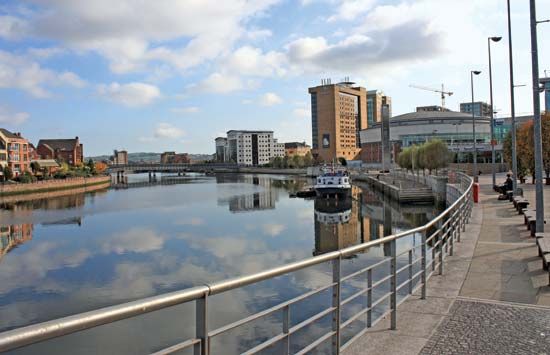
The River Lagan was central to the development of Belfast as a major industrial hub. By serving as the city’s primary port at its entrance to Belfast Lough, the river facilitated the growth of key manufacturing sectors that defined the region’s economy during the Industrial Revolution.13
The river’s influence on industry included:
- Shipbuilding: The establishment of a shipyard in 1791 and a graving dock in 1796 along the river laid the foundation for Belfast’s world-renowned shipbuilding industry, most notably the firm Harland and Wolff.3
- Linen Production: The river supported the city’s rise as a global center for linen production, acting as the market hub for the industry developed by Huguenot refugees.3
- Urbanization: The Lower Lagan Valley became one of the most intensively industrialized and urbanized regions in Northern Ireland due to the economic activity centered around the river.1
How does the River Lagan compare to the River Bann in size and importance?
The River Bann and the River Lagan are both significant geographical features in Northern Ireland, though they differ in scale and function.
Size and Geography
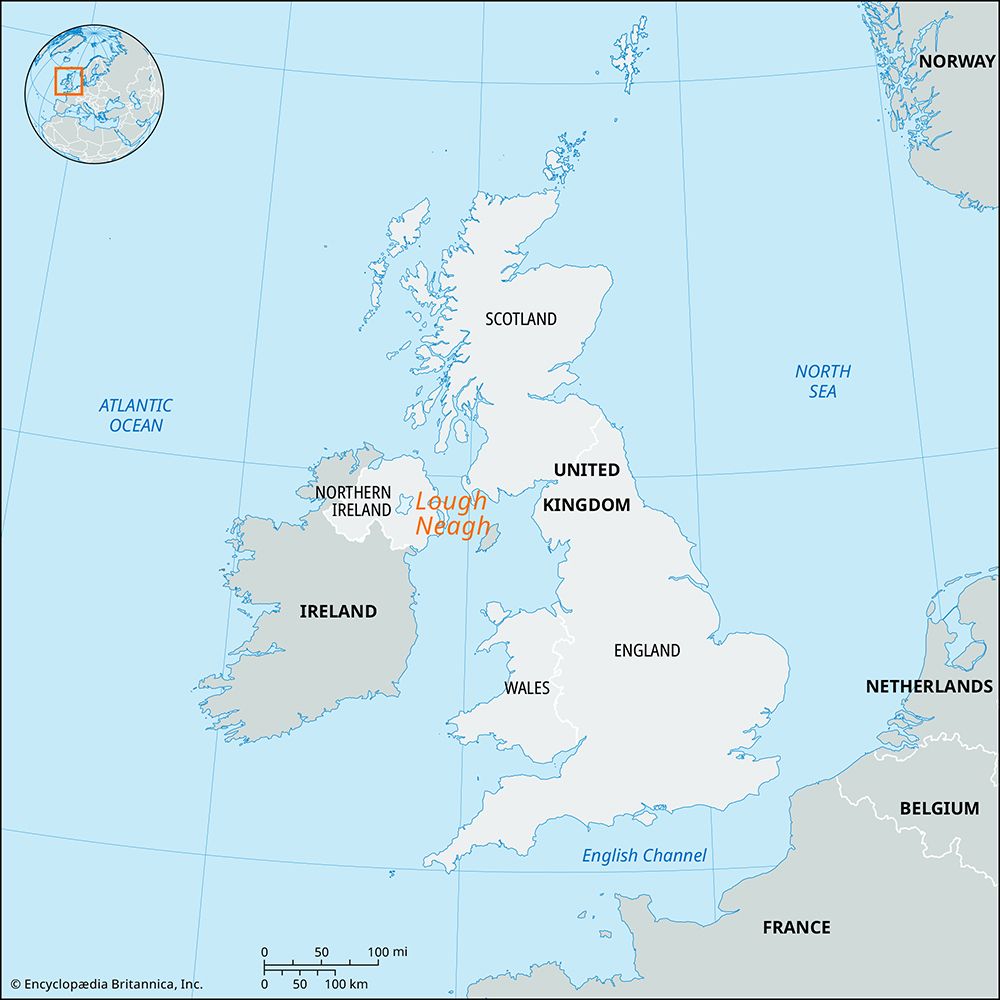
The River Bann is the largest river in Northern Ireland, with a total length of 80 miles (129 km). It is divided into two distinct sections: the Upper Bann, which flows into Lough Neagh, and the Lower Bann, which carries water from the lake to the sea. In contrast, the River Lagan is shorter, spanning 45 miles (73 km).2
Importance
Both rivers have served as vital routeways, but their roles differ:
- River Bann: Historically, its waterpower was essential to the industrialization of the Ulster linen industry. It also supports valuable salmon and eel fisheries and contains significant prehistoric archaeological remains.2
- River Lagan: While also an important routeway, the Lagan is noted for its strategic position in the east, penetrating from Belfast Lough into the heart of Ulster. It is central to the history of Belfast, serving as the city’s primary port and facilitating its growth as a global center for shipbuilding and manufacturing.43
What wildlife can be found along the banks of the River Lagan?
Sorry, the Britannica knowledge base does not contain information regarding the specific wildlife found along the banks of the River Lagan.
Sources
- River Lagan — Encyclopædia Britannica
- River Bann — Encyclopædia Britannica
- Belfast — Encyclopædia Britannica
- Northern Ireland - Drainage — Encyclopædia Britannica
Published on · 2 min read