River Lea
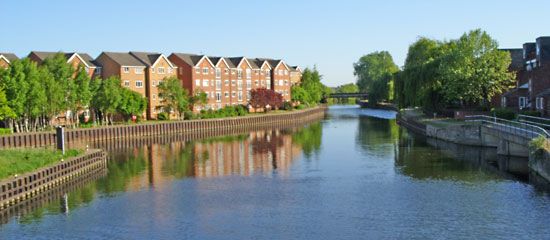
The River Lea is a 46-mile (74-km) river that rises north of Luton in Bedfordshire, England. It flows eastward and then southward, eventually joining the…
What is River Lea?
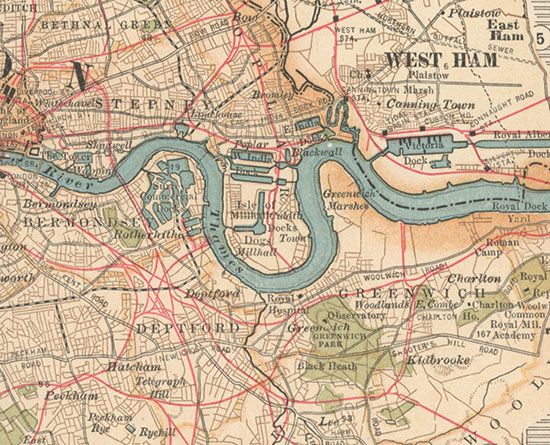
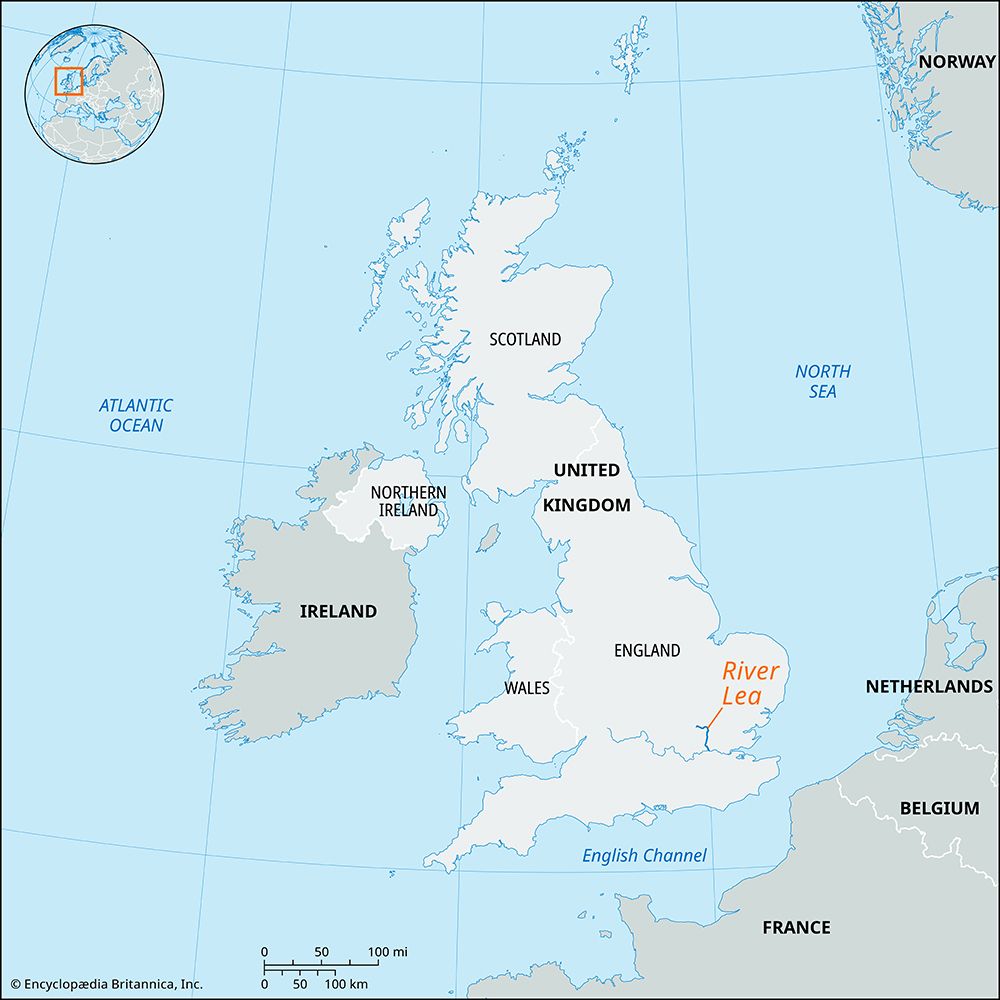
The River Lea is a 46-mile (74-km) river that rises north of Luton in Bedfordshire, England. It flows eastward and then southward, eventually joining the River Thames near Bromley-by-Bow in the London borough of Tower Hamlets.12
As a substantial tributary, the Lea has played a significant role in the region’s development. In the 17th century, the New River aqueduct was constructed within its valley to support water supply needs. Today, the valley is characterized by extensive industrial development and numerous large reservoirs that provide water for London industrial development and numerous large reservoirs that provide water for London. Additionally, a regional park authority was established in 1967 to manage the river’s natural corridor, ensuring public access and providing various recreational opportunities.1
What is the history of the New River aqueduct?
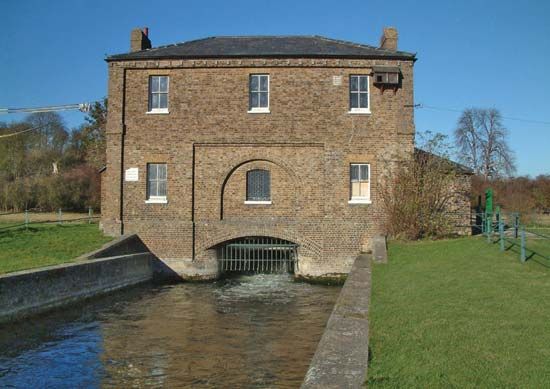
The New River aqueduct is a historic water supply system constructed in the 17th century to serve London. It was built by a private company to transport fresh water from the River Chadwell, located approximately 60 km (38 miles) away from the city.13
The engineering of the project was notable for its use of more than 200 small timber bridges, which helped maintain the necessary flow across the landscape. This development was a critical response to London’s growing need for water, as the city sought to secure reliable sources from greater distances during that era. The aqueduct was constructed within the valley of the River Lea, an area that eventually became significant for its industrial development and large reservoirs that continue to supply water to the capital today.31
How do rivers contribute to London’s water supply?
Rivers are fundamental to London’s water supply, serving as the primary source for the metropolis. The River Thames provides the majority of the city’s water, with approximately 1.8 million cubic metres diverted daily between Windsor and Hampton. This water is pumped into large storage reservoirs for treatment and distribution.1
The River Lea also plays a critical role. Its valley contains numerous large reservoirs that supply water to London, a system supported historically by the 17th-century New River aqueduct, which was built to transport fresh water from the River Chadwell.5
Because surface water from rivers often contains pollutants such as silt, organic material, and microbes, it requires extensive water treatment before it is safe for human consumption. This process typically involves:3
- Intake screening: Removing debris and fish.3
- Clarification: Eliminating turbidity to ensure the water is clear.3
- Disinfection: Destroying pathogenic microbes as a final safety measure.3
- Additional processes: Methods like aeration may be used to control taste and odor.6
What recreational activities are available at the Lee Valley Regional Park?
The Lee Valley Regional Park was established in 1967 to provide public access and a variety of recreational opportunities along the natural corridor of the River Lea.
While the park is situated within a landscape historically defined by industrial development and large reservoirs that supply water to London, the regional park authority manages the area to ensure it serves as a significant green space for public enjoyment and leisure activities.
Sources
- River Lea — Encyclopædia Britannica
- London - The valley of the Thames — Encyclopædia Britannica
- aqueduct — Encyclopædia Britannica
- New River — Encyclopædia Britannica
- River Thames - Touring the Thames — Encyclopædia Britannica
- water supply system - Water treatment — Encyclopædia Britannica
- London - Flood control — Encyclopædia Britannica
- London - Medieval London — Encyclopædia Britannica
- water supply system - Aeration — Encyclopædia Britannica
Published on · 3 min read