River Mersey
The River Mersey in England becomes tidal at Warrington, where it begins to flow toward its wide estuary. This tidal nature is fundamental to the region's…
How does the tidal nature of the River Mersey affect its flow and surrounding landscape?
The River Mersey in England becomes tidal at Warrington, where it begins to flow toward its wide estuary. This tidal nature is fundamental to the region’s geography and economic history.1
The estuary is restricted at its seaward end, which creates powerful tidal movements that scour the channel. This natural process prevents the accumulation of silt, which has historically allowed the Port of Liverpool to remain accessible to shipping without the high costs of constant dredging that affect many other ports in the northwest.12
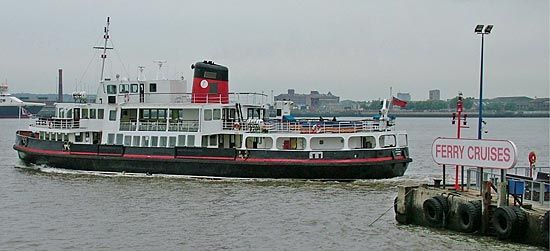
The landscape surrounding the lower reaches of the estuary, known as Merseyside, has been shaped by this deep-water access, facilitating the development of major dock systems and industrial growth. To connect the communities on the north and south banks of this tidal barrier, the region relies on extensive infrastructure, including two road tunnels, a railway tunnel, and ferry services linking Liverpool and Birkenhead.21
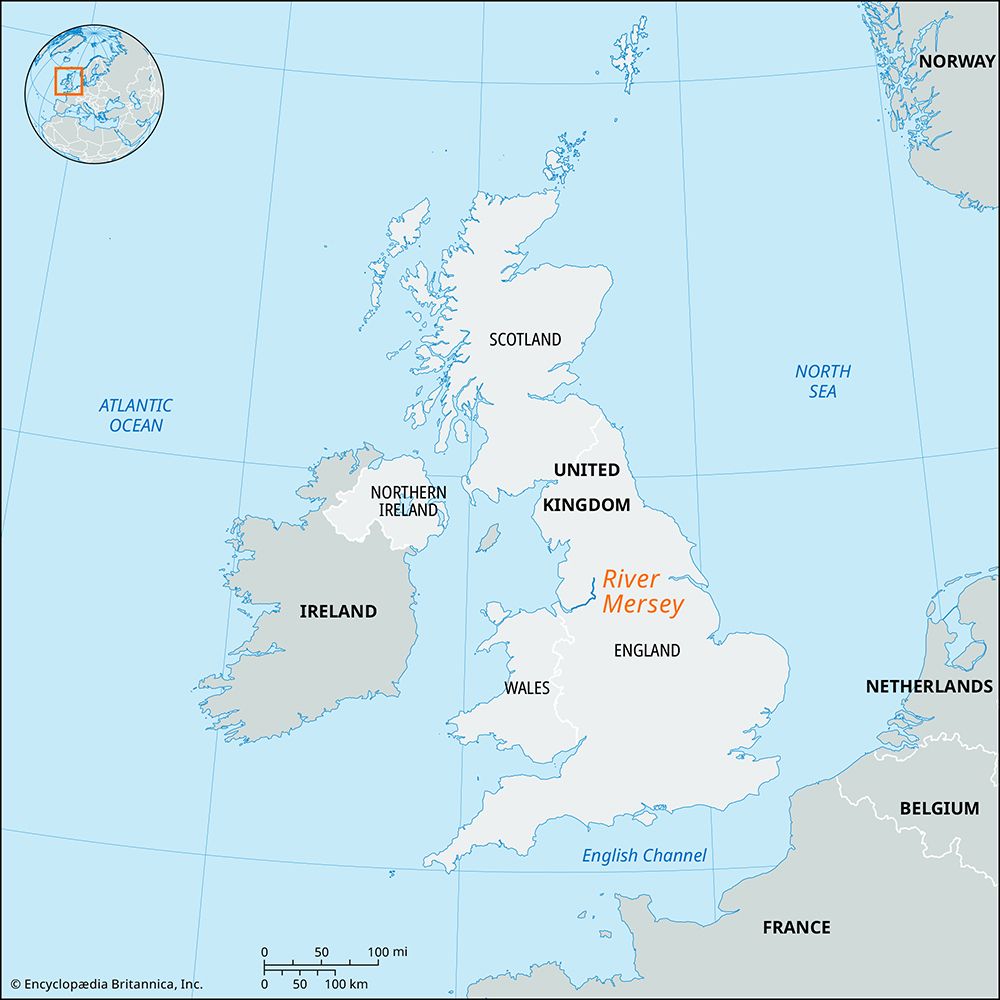
Where does the River Mersey originate, and where does it flow?
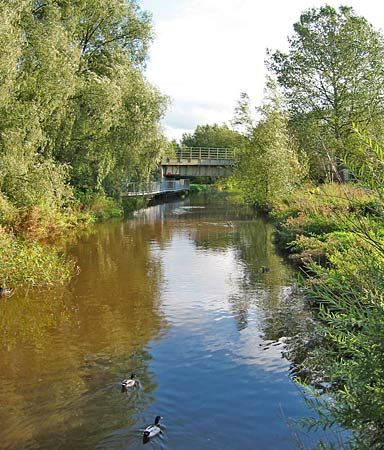
The River Mersey is formed at Stockport, England, through the junction of two headstreams, the Goyt and the Tame, which originate in the Pennines.1
From its origin, the river flows in a westerly direction, draining the plains of Lancashire and Cheshire. Along its 70-mile (110-km) course, it passes through the southern suburbs of Manchester and is modified by the Manchester Ship Canal until it reaches Warrington. Beyond this point, the river becomes tidal and expands into a wide estuary at Runcorn. Finally, the Mersey flows into the Irish Sea at Liverpool.1
How has the River Mersey influenced the music and cultural scene of Liverpool?
The River Mersey has played a significant role in shaping the identity of Liverpool, a city renowned for its profound contributions to national popular culture. While the river’s primary influence on the city was historically economic—facilitating trade, immigration, and the development of a major port—this environment fostered a unique social landscape that helped define the region’s cultural output.134
The city’s strong identity is deeply rooted in its history as a gateway, characterized by cultural and religious ties with Ireland and the development of a distinctive local dialect known as “scouse.”3 This cosmopolitan atmosphere provided the backdrop for the city’s 20th-century musical explosion. Most notably, the Beatles emerged from the city’s vibrant musical scene, which centered on venues like the Cavern. Beyond music, the city’s cultural legacy includes a rich tradition of comedy and performance poetry, all of which have contributed to Liverpool’s enduring status as a center of British popular culture.4
What is the historical significance of the River Mersey in English culture and commerce?
The River Mersey has been a cornerstone of English commerce and culture for centuries, serving as a vital artery for the Industrial Revolution and the development of northern England.12
Commercial Significance
The river’s geography, particularly its tidal estuary, allowed Liverpool to become a premier port by preventing silt accumulation. Historically, this facilitated diverse trade, including the slave trade in the 17th century and the massive import of raw materials like cotton in the 19th century. The river also became the heart of a vast inland waterway network; the Bridgewater Canal and the Grand Trunk Canal linked the Mersey to the Midlands, fueling industrial prosperity. Later, the Manchester Ship Canal was constructed to provide oceangoing vessels direct access to Manchester, further cementing the region’s economic importance.1523
Cultural Impact
The Mersey’s role as a gateway fostered a cosmopolitan identity in Merseyside. Cultural and religious ties with Ireland and the development of the “scouse” dialect created a unique regional character. This environment nurtured a vibrant popular culture, famously producing the Beatles and supporting a legacy of sports, comedy, and performance.5
Sources
- River Mersey — Encyclopædia Britannica
- River Mersey — Encyclopædia Britannica
- Merseyside — Encyclopædia Britannica
- Liverpool — Encyclopædia Britannica
- canals and inland waterways - Great Britain — Encyclopædia Britannica
- Manchester - The city site — Encyclopædia Britannica
Published on · 3 min read