River Ribble
The River Ribble originates in North Yorkshire, England, where it is formed by the confluence of the Gayle and Cam becks.
Where does the River Ribble originate, and which major cities does it flow through?
The River Ribble originates in North Yorkshire, England, where it is formed by the confluence of the Gayle and Cam becks.12
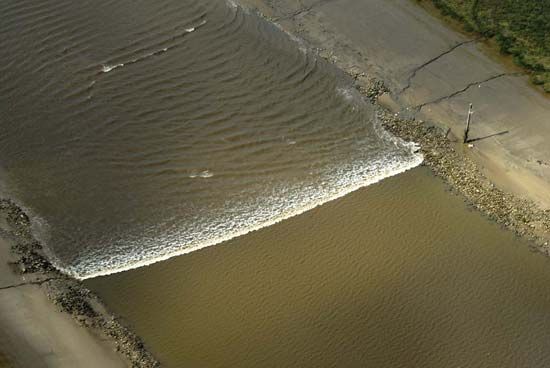
Regarding its path through urban areas, the river flows south and west through Lancashire, eventually reaching the city of Preston, which is situated on the river’s northern bank at the lowest bridge point. The river serves as the northern boundary for the borough of South Ribble, which also encompasses part of the city of Preston. Beyond Preston, the river continues toward the Irish Sea through a straightened shipping channel.123
What is the historical significance of the River Ribble in England’s development?
The historical significance of the River Ribble is primarily tied to its role in the development of Lancashire as a center for trade, agriculture, and industry.
The river has long served as a vital geographic feature, with its lower valley providing a wide, cultivated lowland that supported pastoral farming and livestock grazing. The city of Preston, located at the river’s lowest bridge point, became a key urban center; the river’s channel to the Irish Sea was historically straightened to create a shipping lane, facilitating commerce and connectivity for the region.13
Furthermore, the surrounding landscape, including the Ribble Valley, has deep cultural and historical associations. The area near the river is famously linked to George Fox, who received the vision on Pendle Hill that led to the founding of the Society of Friends (Quakers), as well as to local folklore regarding witchcraft.3
The provided search results do not contain information regarding the River Trent.
What are some of the major tributaries of the River Ribble?
The River Ribble is primarily fed by two main tributaries:
- The Hodder: This river joins the Ribble from the north as it flows through its wide valley.1
- The Calder: This river also serves as a significant tributary to the Ribble.1
Before reaching these confluences, the Ribble itself is formed by the meeting of the Gayle and Cam becks in North Yorkshire.1
What is the length of the River Ribble and how does it compare to other major rivers in England?
The River Ribble is 75 miles (120 km) long.1
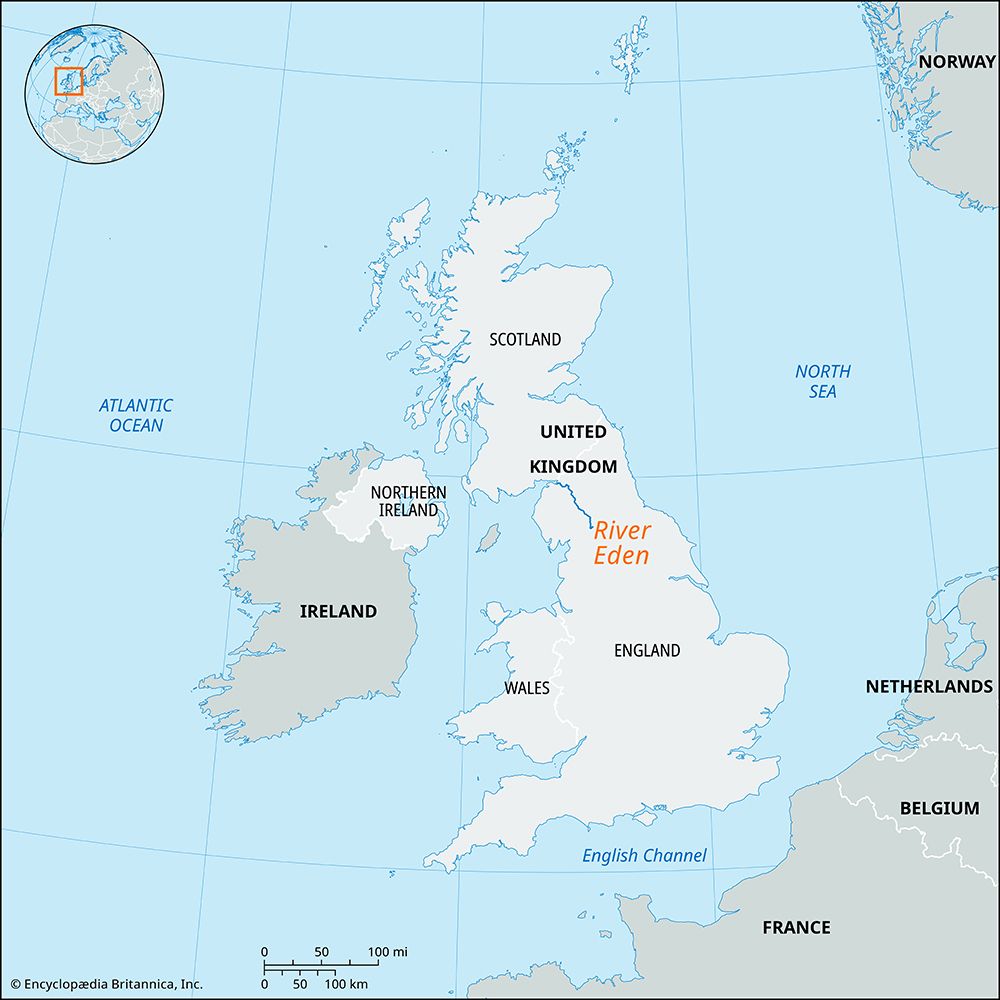
In the context of England’s geography, the Ribble is characterized by its relatively short course compared to the country’s major eastward-flowing rivers. Rising in the Pennines, the Ribble flows westward toward the Atlantic Ocean, a pattern shared by other western-draining rivers like the Eden and the Mersey.6
Conversely, many of England’s most prominent rivers, such as the Trent and the Thames—the latter being the longest river in England—follow much longer paths as they flow eastward toward the North Sea. While the Ribble is a significant regional waterway for Lancashire, its length is modest when measured against these major arterial rivers that drain the bulk of the English landscape.61
Sources
- River Ribble — Encyclopædia Britannica
- Ribble — Merriam-Webster
- South Ribble — Encyclopædia Britannica
- Ribble Valley — Encyclopædia Britannica
- River Trent — Encyclopædia Britannica
- England - Drainage of England — Encyclopædia Britannica
- River Stour — Encyclopædia Britannica
Published on · 2 min read