River Dee
There are two prominent rivers named the River Dee in the United Kingdom:
What is River Dee?
There are two prominent rivers named the River Dee in the United Kingdom:
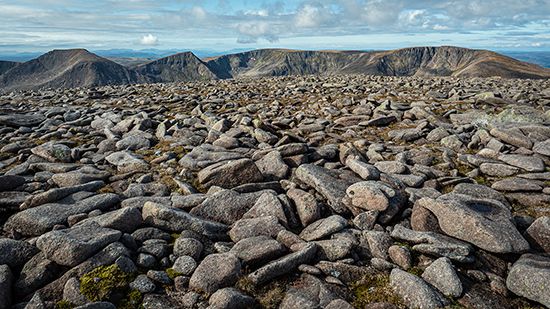
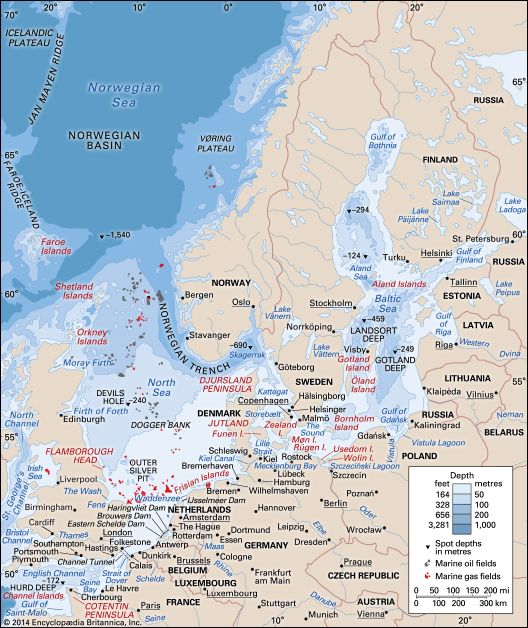
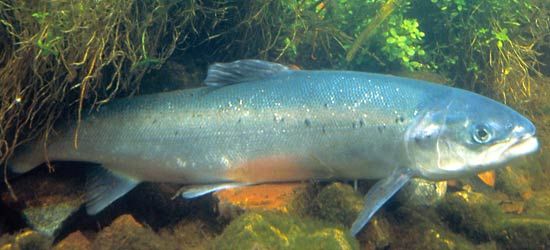
- River Dee (Scotland): Located in Aberdeenshire, this river rises in the Cairngorm Mountains at an elevation of over 4,000 feet. It flows approximately 90 miles eastward through highland glens and farmland before reaching the North Sea at Aberdeen. It is well known for its salmon fishing.1
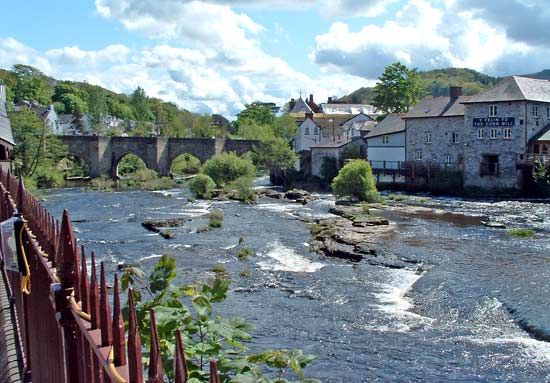
- River Dee (Wales and England): This 70-mile-long river rises in Snowdonia National Park in Wales. It flows through England, passing through the Vale of Llangollen—noted for Thomas Telford’s historic aqueduct—and the Cheshire plain. Below Chester, the river is confined to an artificial channel before entering a shallow, marshy estuary.2
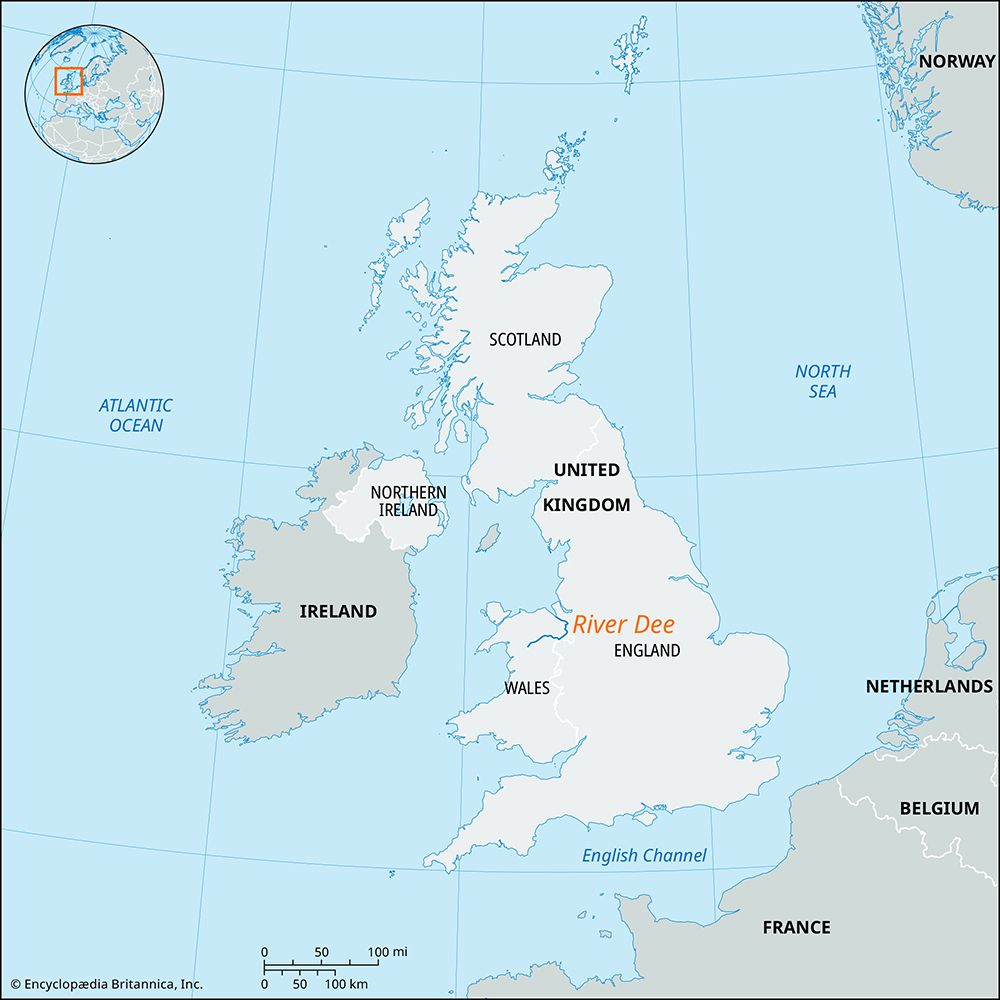
What are the main differences between the Scottish and Welsh Rivers Dee?
The Scottish and Welsh Rivers Dee differ significantly in their geography, course, and final destinations.
Feature
River Dee (Scotland)
River Dee (Wales/England)
Length
Approximately 90 miles
Approximately 70 miles
Source
Cairngorm Mountains
(over 4,000 ft)
Snowdonia National Park
(slopes of Dduallt)
Flow Direction
Primarily eastward
Northeast, then eastward and northward
Mouth/Outlet
North Sea
at
Aberdeen
Liverpool Bay
(Irish Sea)
Key Characteristics
Turbulent headwaters in highland glens; famous for
salmon
fishing
Passes through
Thomas Telford
’s aqueduct; confined to an artificial channel near
Chester
While the Scottish Dee is defined by its journey from high-altitude mountain glens through farmland to the North Sea, the Welsh Dee is characterized by its passage through glacial landscapes, historic engineering sites, and a shallow, marshy estuary.12
We could dive deeper into the historical significance of the regions surrounding these rivers or explore other major waterways in the British Isles.
How do rivers like the Dee support local wildlife and ecosystems?
Rivers like the Dee support complex riverine ecosystems by providing diverse habitats along their course, from turbulent headwaters to slower-moving downstream reaches. These environments are characterized by a longitudinal gradient of temperature, dissolved materials, and gases, which allow for specialized life forms to thrive in distinct zones such as rapids and pools.1
However, these ecosystems are highly sensitive to human activity. The health of local wildlife, such as the salmon populations for which the River Dee is famous, depends on maintaining water quality and natural flow patterns. Environmental challenges that threaten these habitats include:2
- Canalization and Engineering: Artificial modifications, such as deepening channels or installing locks, can disrupt natural riverine processes and habitats.3
- Pollution: The introduction of pesticides, industrial chemicals, and untreated sewage can degrade water quality, directly harming aquatic organisms and accumulating in the food chain.3
- Eutrophication: Runoff containing fertilizers can trigger excessive algal growth, which depletes oxygen levels and suffocates other aquatic life.3
- Thermal Pollution: Discharging heated water from industrial sources can alter the local ecology, potentially driving out or killing sensitive fish species.3
What role do rivers play in shaping the geography of the United Kingdom?
Rivers play a fundamental role in shaping the geography of the United Kingdom by acting as primary agents of landscape evolution, carving valleys, and defining drainage patterns across the country.78
Drainage and Topography
The geography of Great Britain is defined by a main drainage divide that runs north to south, generally positioned toward the west. This divide dictates the flow of the nation’s rivers:7
- Westward-flowing rivers: Streams such as the Clyde, Eden, Mersey, and the Dee have relatively short courses as they empty into the Atlantic Ocean or Irish Sea.79
- Eastward-flowing rivers: These rivers are typically longer and often coalesce into wide estuaries. Notable examples include the Spey, Tay, Tweed, and the Trent, which drain into the North Sea.79
Landscape Evolution
Rivers are the most significant agents in molding the UK’s topography through the processes of erosion and deposition. By incising into the bedrock, rivers create the valleys and gorges that characterize much of the natural landscape. The size and shape of these valleys are often directly related to the river’s flow and sediment load. Furthermore, historical glacial activity has significantly altered these drainage networks, leaving behind complex histories of damming and diverted channels that differ from preglacial patterns.8101112
Human and Economic Impact
Beyond their physical influence, rivers have historically dictated settlement patterns. Many major cities, including national capitals, are situated on riparian sites that provided essential water, power, and means of communication. Today, these rivers continue to support agriculture, industry, and recreation, remaining central to the nation’s economic and social geography.13914
Sources
- River Dee — Encyclopædia Britannica
- River Dee — Encyclopædia Britannica
- Wales - Drainage — Encyclopædia Britannica
- Dee — Merriam-Webster
- river - Environmental problems attendant on river use — Encyclopædia Britannica
- riverine ecosystem — Encyclopædia Britannica
- United Kingdom - Drainage — Encyclopædia Britannica
- England - Drainage of England — Encyclopædia Britannica
- river - Valleys and canyons — Encyclopædia Britannica
- valley - Geomorphic characteristics — Encyclopædia Britannica
- river - Non-fluvial invasion and deposition — Encyclopædia Britannica
- river - Rivers as agents of landscape evolution — Encyclopædia Britannica
- river - Significance in early human settlements — Encyclopædia Britannica
- river - Origin of river terraces — Encyclopædia Britannica
- river - Significance to trade , agriculture, and industry — Encyclopædia Britannica
- river - Effects of climatic change — Encyclopædia Britannica
Published on · 3 min read