River Stour
The name "River Stour" refers to several distinct rivers in England, as the name is common for various waterways. The most prominent River Stour is a 47-mile…
What is River Stour?
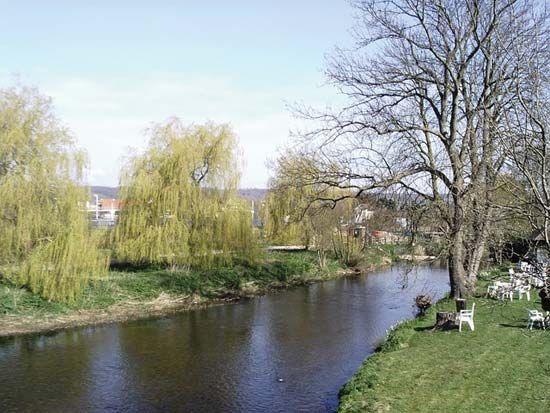
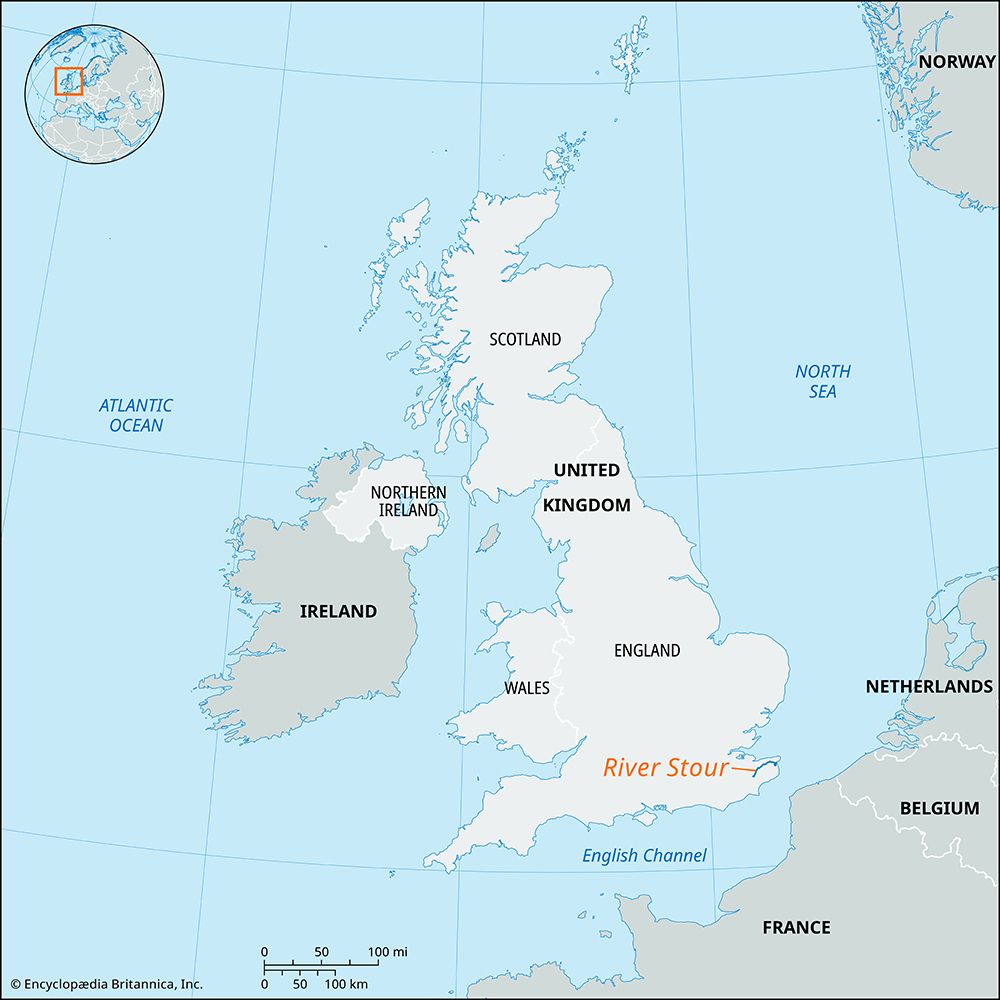
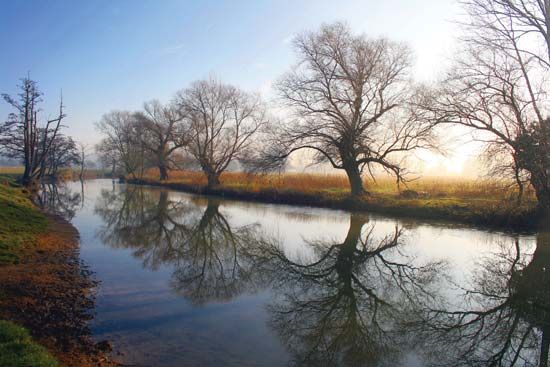
The name “River Stour” refers to several distinct rivers in England, as the name is common for various waterways. The most prominent River Stour is a 47-mile (76 km) river in eastern England. It rises in Cambridgeshire and flows eastward through East Anglia, forming the boundary between Suffolk and Essex before entering the North Sea at Harwich. This region is famously depicted in the landscape paintings of John Constable.12
Other notable rivers sharing this name include:
- Great Stour: A 40-mile (64 km) river in Kent that flows past Canterbury.32
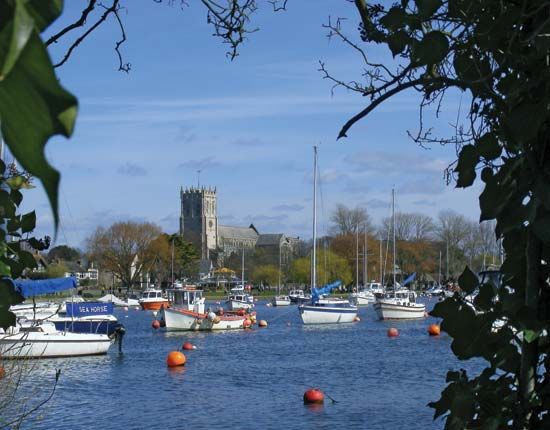
- Dorset/Hampshire Stour: A 55-mile (88 km) river in southern England that flows into the Avon River.2
- Other tributaries: There are additional smaller rivers named Stour located in Oxfordshire, Warwickshire, and west-central England.2
Who was the artist John Constable and why is he associated with the River Stour?
John Constable (1776–1837) was a preeminent English landscape painter of the early 19th century. Unlike many of his contemporaries who sought out popular tourist destinations, Constable focused his work on sites with personal significance, most notably the valley of the River Stour in his native Suffolk.45
His deep association with this region—often referred to as “Constable country”—stems from his lifelong dedication to painting its rural scenery. During the 1820s, he produced a series of large-scale, critically acclaimed works based on the Stour, including The White Horse, The Hay-Wain, and The Leaping Horse. While these paintings were often created from memory while he lived in London, they captured the essence of the valley’s landscape. Through these works, Constable portrayed a well-ordered, idealized vision of rural England, providing a poignant contrast to the socioeconomic instability and industrial transformation occurring in Britain at the time.4165
Why do so many different rivers in England share the same name?
The recurrence of names like “Stour” or “Derwent” across England is a common feature of British toponymy, often rooted in the linguistic history of the region rather than a single origin. Many river names in England are derived from ancient Celtic or Old English terms that were descriptive of the water or the surrounding environment.
For example, the name “Derwent” is believed to originate from a Celtic term meaning “river where oak trees grow abundantly,” a descriptor that could apply to many different locations across the landscape. Similarly, “Stour” is a name applied to several distinct rivers, including those in Suffolk, Kent, and Dorset, simply because the term was widely used to identify watercourses in various Anglo-Saxon and pre-existing settlements.317
Because these names were often assigned by early inhabitants based on common environmental features—such as the presence of specific trees, the speed of the current, or the river’s role in the local topography—it was natural for different communities to independently adopt the same descriptive labels for their local waterways.13
What is the historical significance of the Wantsum Channel in Kent?
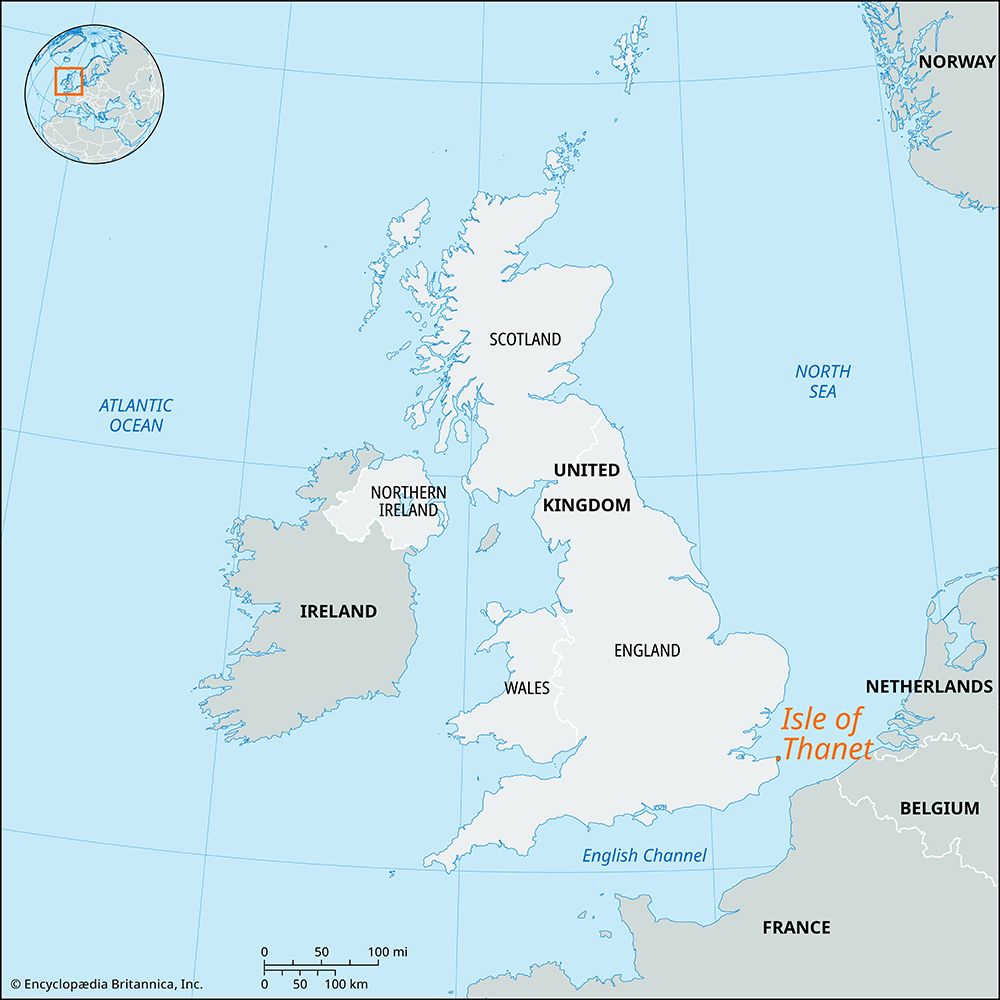
The Wantsum Channel was historically significant as a vital maritime passage that separated the Isle of Thanet from the mainland of Kent. During the Roman period, the channel served as a strategic water route, protected by two major 3rd-century forts: Reculver (Regulbium) at the northern end and Richborough (Rutupiae) at the southern end.9
The channel also played a pivotal role in early English history; Ebbs Fleet, located at its southern entrance, is traditionally cited as the landing site of the Anglo-Saxon leader Hengist during the 5th century. The waterway remained navigable for small vessels until the 16th century, facilitating trade and movement in the region, and it was closely linked to the jurisdiction of the medieval Cinque Ports.9
Sources
- River Stour — Encyclopædia Britannica
- Great Stour — Encyclopædia Britannica
- Stour — Merriam-Webster
- John Constable — Encyclopædia Britannica
- John Constable - Legacy of John Constable — Encyclopædia Britannica
- John Constable - London of John Constable — Encyclopædia Britannica
- England - Drainage of England — Encyclopædia Britannica
- River Derwent — Encyclopædia Britannica
- Isle of Thanet — Encyclopædia Britannica
Published on · 3 min read