River Wear
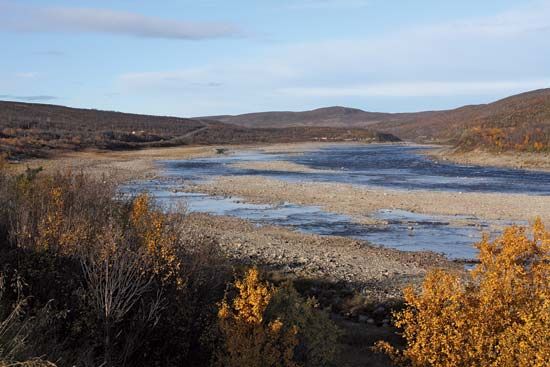
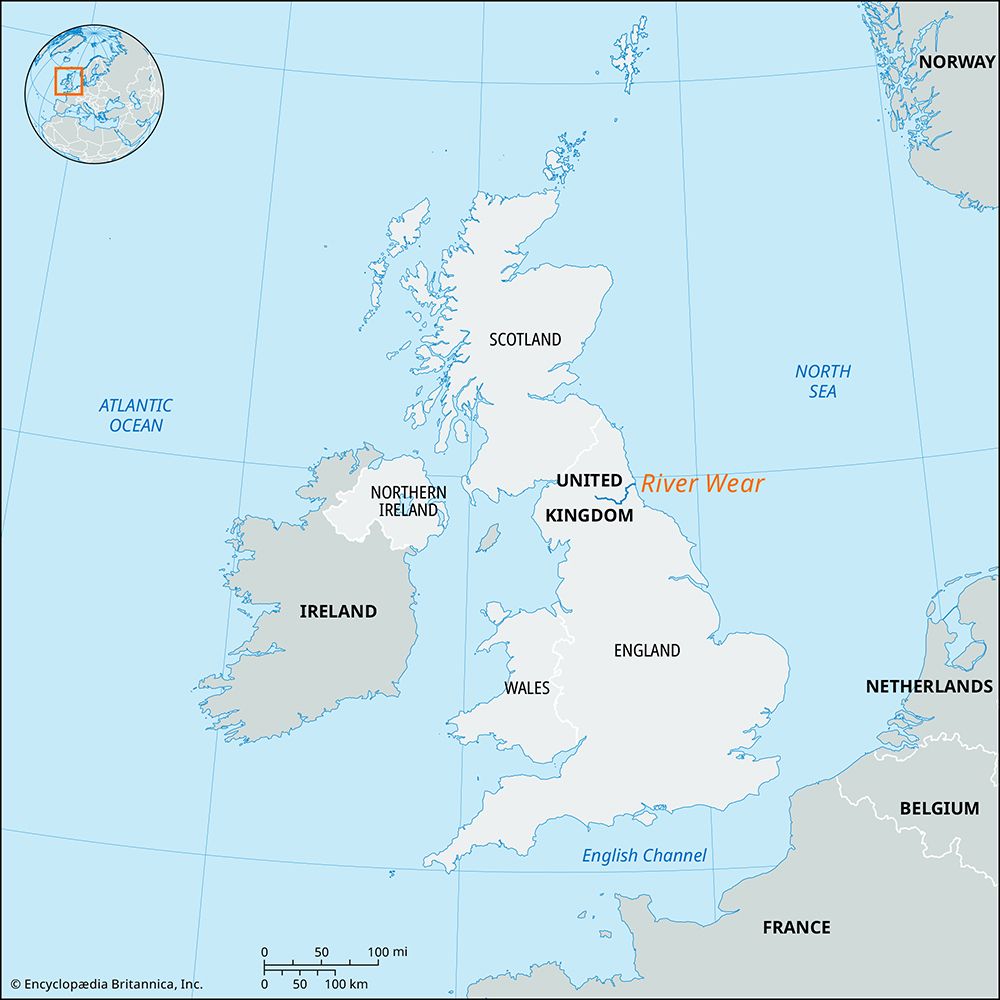
The River Wear is a river in County Durham, England, that originates near Wearhead in the Pennines and flows eastward to reach the North Sea at Sunderland.
What is River Wear?
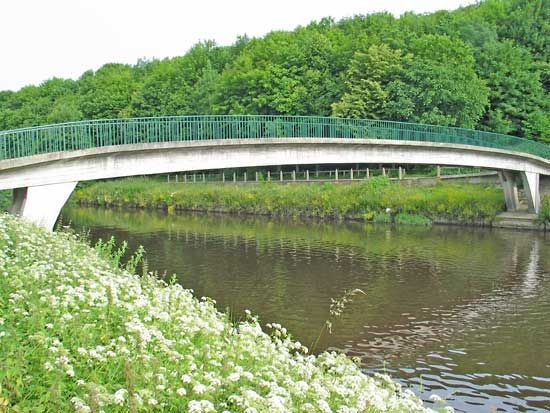
The River Wear is a river in County Durham, England, that originates near Wearhead in the Pennines and flows eastward to reach the North Sea at Sunderland.12
As it travels through the region known as the Wear Valley, the river passes through Weardale and the city of Durham. In Durham, the river is notable for an incised meander upon which the city’s historic cathedral and castle are situated. Historically, the river flowed toward the vicinity of Hartlepool before being diverted northward to its current outlet.1
While the river flows across former coalfields starting from Bishop Auckland, large-scale coal mining in the area ceased by the end of the 20th century. Today, the upper reaches of the river are recognized for their natural beauty and are popular for outdoor activities such as hiking and fishing.12
What are the Pennines and why are they important?
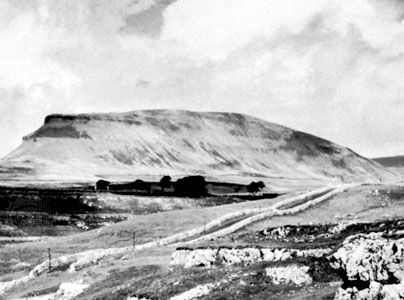
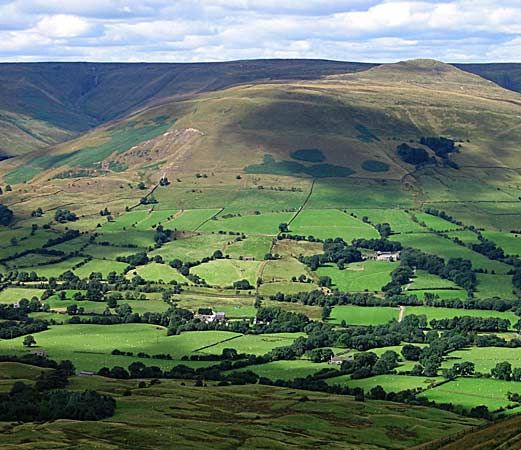
The Pennines are a major upland mass often described as the “backbone” or “spine” of northern England, extending from Northumberland south into Derbyshire. Contrary to being a single mountain range, they consist of hills broken into short sections by valleys known as dales.3
The Pennines are geographically and economically significant for several reasons:
- Watershed: They act as a primary north-south watershed, determining the courses of all major rivers in northern England.3
- Geology and Scenery: Composed of carboniferous limestone and Millstone Grit, the region features remarkable underground caverns and watercourses, as well as scenic dales shaped by glacial action.3
- Resource Supply: Reservoirs located in the Millstone Grit areas are vital for supplying water to the manufacturing regions of West Yorkshire and Lancashire.3
- Cultural and Historical Heritage: The area contains significant sites such as Hadrian’s Wall and prehistoric remains like the stone circle at Arbor Low Hill.3
- Economy and Tourism: Beyond traditional sheep farming and quarrying, the region is a major destination for tourism, supported by national parks like the Peak District and the 250-mile Pennine Way footpath.34
How did coal mining shape the history of County Durham?
Coal mining was the primary driver of economic transformation in County Durham, shifting the region from a relatively unimportant area into a central hub of the Industrial Revolution during the 19th century.5
The exploitation of the county’s extensive coalfields spurred significant industrial growth, leading to the development of heavy industries such as iron, steel, and shipbuilding in cities like Sunderland, Hartlepool, and South Shields. This industrial expansion also necessitated infrastructure innovation; notably, the world’s first passenger railway was established in 1825 to connect Stockton and Darlington, with the latter becoming a major center for locomotive engineering.5
In areas like Derwentside, mining began as surface extraction in the 17th century before expanding significantly with the arrival of railroads. However, the decline of these traditional industries in the 20th century forced the region to diversify its economy. By the end of the century, coal mining had ceased entirely, leading to the creation of new towns and the transition toward lighter industries.65
What makes the Durham Cathedral and Castle unique?
Durham Cathedral and Durham Castle are collectively recognized as a World Heritage site due to their historical significance and architectural brilliance.7
Durham Cathedral
The cathedral is a premier example of Romanesque architecture and a powerful symbol of Norman authority. Its uniqueness includes:7
- Architectural Innovation: It features the first known examples of pointed ribbed vaults, which anticipated Gothic architecture by nearly a century.8
- Historical Treasures: It serves as the final resting place of St. Cuthbert and the Venerable Bede.7
- Iconic Features: The nave is noted for its massive pillars, some decorated with geometric carvings, and the north door features a famous lion’s head knocker once used by those seeking sanctuary.7
Durham Castle
Chosen by William I for its strategic position on a peninsula, the castle was built to defend northern England against the Scots. It served as a palace for the prince-bishops of Durham until 1836, when it was appropriated for the University of Durham the University of Durham.98
Sources
- River Wear — Encyclopædia Britannica
- Wear Valley — Encyclopædia Britannica
- Pennines — Encyclopædia Britannica
- Peak District — Encyclopædia Britannica
- Durham — Encyclopædia Britannica
- Derwentside — Encyclopædia Britannica
- Durham Cathedral — Encyclopædia Britannica
- Durham — Encyclopædia Britannica
- Norman style — Encyclopædia Britannica
Published on · 3 min read