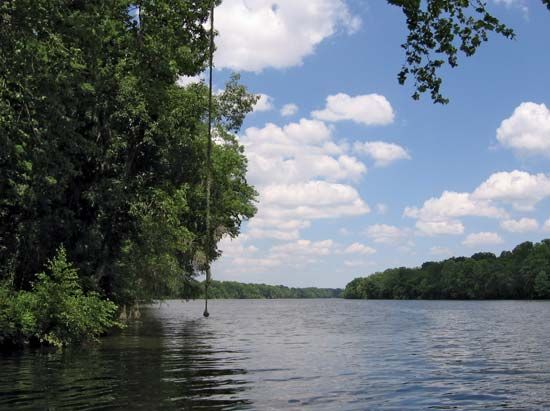
Tallapoosa River
The Tallapoosa River holds significant historical importance for the Muscogee (Creek) people, as evidenced by its name, which is of Creek origin. Before the…
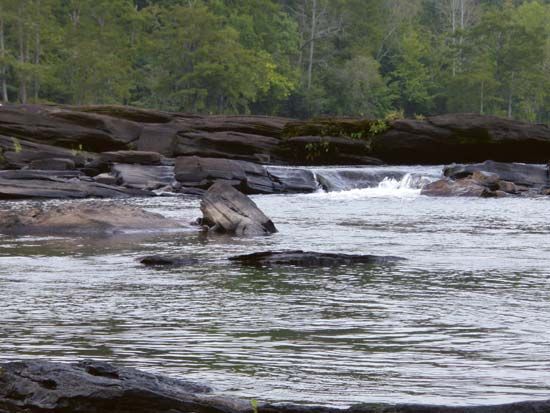
What are some of the historical and cultural significance of the Tallapoosa River for Native American tribes?
The Tallapoosa River holds significant historical importance for the Muscogee (Creek) people, as evidenced by its name, which is of Creek origin. Before the 19th century, the banks of the lower river were home to numerous Native American villages.1
The river became a focal point of conflict during the Creek War (1813–14). In the spring of 1814, hundreds of Creek warriors gathered at a fortified village on a peninsula along the river, known as Tohopeka, to defend their territory against U.S. forces. The resulting Battle of Horseshoe Bend on March 27, 1814, saw the defeat of the Creek defenses by General Andrew Jackson’s troops. This decisive loss led to the Treaty of Ft. Jackson, which forced the Creek to cede 23 million acres of land, effectively breaking the power of Indigenous nations in the Old Southwest. Today, the site is commemorated by the Horseshoe Bend National Military Park.21
What recreational activities are popular along the Tallapoosa River?
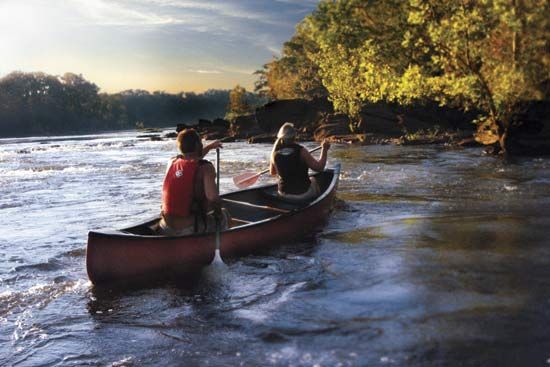
The Tallapoosa River offers various opportunities for recreation, primarily centered around the reservoirs created by its hydroelectric dams.
The river features three private power dams—Martin, Yates, and Thurlow—located above the city of Tallassee. These structures have impounded the river to create several reservoirs, most notably Lake Martin. These bodies of water are utilized for river control and power generation, while also serving as popular destinations for recreational activities.2
How does the Tallapoosa River interact with the Coosa River to form the Alabama River?
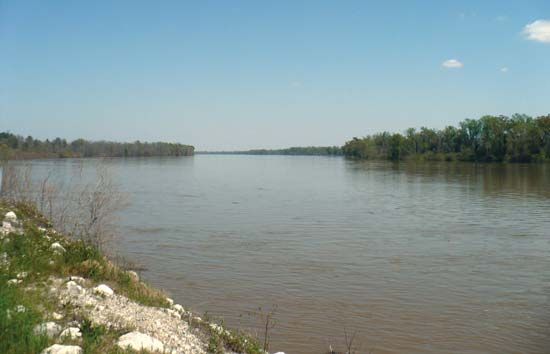
The Alabama River is formed by the confluence of the Coosa River and the Tallapoosa River. This junction occurs approximately 7 to 10 miles northeast of Montgomery, near the city of Wetumpka, Alabama.345
Once these two rivers merge, the resulting Alabama River flows in a meandering path westward toward Selma before turning southward. It eventually joins the Tombigbee River north of Mobile to form the Mobile and Tensaw rivers, which ultimately discharge into Mobile Bay and the Gulf of Mexico.35
How is the Tallapoosa River used for hydroelectric power generation?
The Tallapoosa River is utilized for hydroelectric power generation through a series of three private dams located upstream from the city of Tallassee, Alabama. These facilities—the Martin, Yates, and Thurlow dams—impound the river to create reservoirs, most notably Lake Martin.2
These dams serve a dual purpose: they provide the necessary infrastructure for power generation while simultaneously facilitating river control. By managing the flow of the river through these reservoirs, the dams help regulate water levels and support the production of electricity.2
Sources
- Creek War — Encyclopædia Britannica
- Tallapoosa River — Encyclopædia Britannica
- Alabama River — Encyclopædia Britannica
- Coosa River — Encyclopædia Britannica
- Alabama - Drainage — Encyclopædia Britannica
Published on · 2 min read