Saadiyat Island
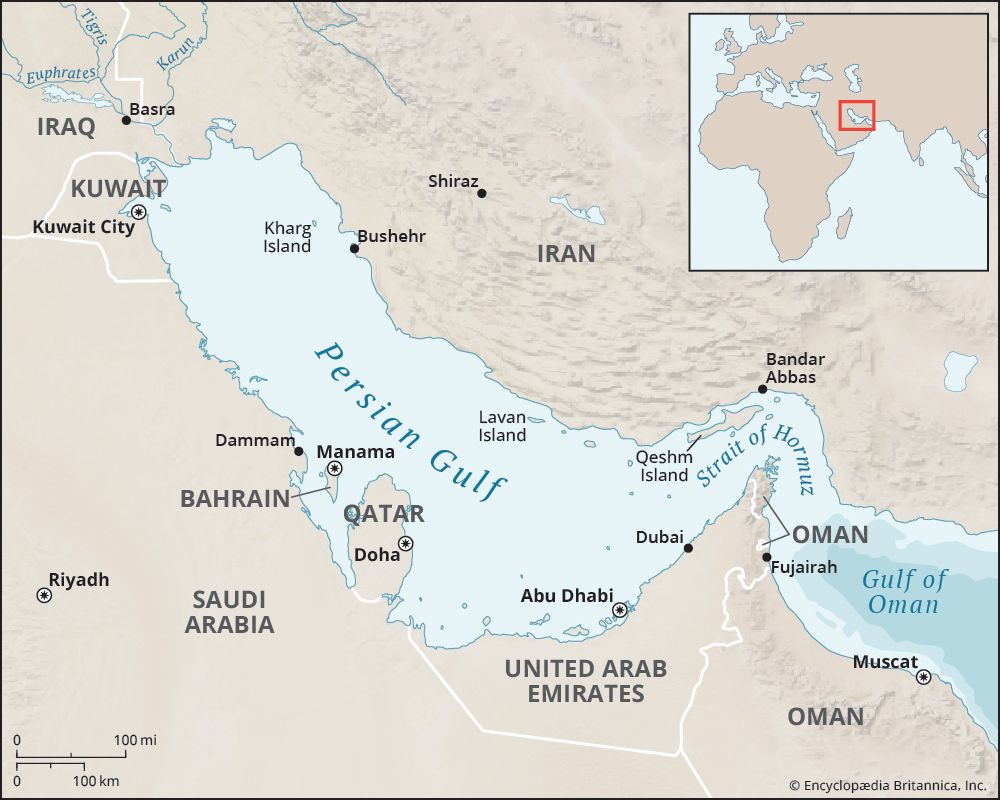
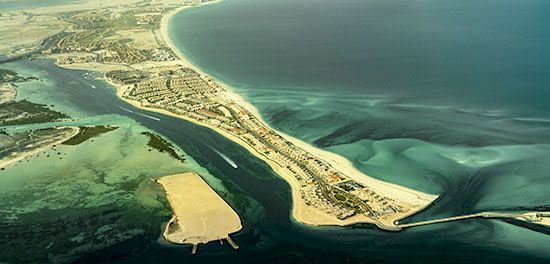
Saadiyat Island is a prominent island located in the Persian Gulf that serves as a major tourism and cultural hub for Abu Dhabi, United Arab Emirates.…
What is Saadiyat Island?
Saadiyat Island is a prominent island located in the Persian Gulf that serves as a major tourism and cultural hub for Abu Dhabi, United Arab Emirates. Initiated in 2004, the development project was designed to help diversify the emirate’s oil-dependent economy.1
The island is renowned for its world-class cultural institutions, including the Louvre Abu Dhabi, designed by architect Jean Nouvel, and the community arts center Manarat al-Saadiyat. Future additions include a Guggenheim Museum location and the Zayed National Museum, which will honor the life of Sheikh Zayed ibn Sultan Al Nahyan. Additionally, the island hosts New York University Abu Dhabi, which began operations in 2010. Today, the island’s economy is centered on tourism, luxury real estate, and high-end hospitality.1
What is the significance of the Louvre Abu Dhabi’s architecture?
The Louvre Abu Dhabi, designed by the Pritzker Prize-winning architect Jean Nouvel, is widely celebrated for its distinctive architectural features, most notably its massive, latticed dome.
The significance of this design lies in its functional and aesthetic response to the local environment. The intricate, perforated structure of the dome acts as a filter for the intense desert sunlight, creating a dynamic interplay of light and shadow within the museum space. This approach reflects Nouvel’s broader architectural philosophy of creating visual landscapes that engage deeply with their specific context. By masterfully manipulating light, the design provides a sophisticated atmosphere that enhances the visitor’s experience of the art on display.
Opened in 2017 on Saadiyat Island, the museum stands as a centerpiece of Abu Dhabi’s cultural development, symbolizing a bridge between diverse global traditions and the local heritage of the United Arab Emirates.
Who was Sheikh Zayed ibn Sultan Al Nahyan?
Sheikh Zayed ibn Sultan Al Nahyan (c. 1918–2004) was the founding president of the United Arab Emirates (1971–2004) and the emir of Abu Dhabi (1966–2004). He is widely credited as the principal architect of the UAE federation, having successfully negotiated its creation following the United Kingdom’s withdrawal from the Persian Gulf region.4
A member of the Nahyan dynasty, Zayed served as governor of Abu Dhabi’s Eastern Province before becoming emir in 1966. As president, he utilized Abu Dhabi’s oil wealth to modernize the nation, implementing infrastructure projects, establishing a common currency, and integrating the emirates’ defense forces. He was also a noted diplomat who prioritized bureaucratic development and took measures to advance gender equality, particularly in education.4
His legacy remains central to the nation’s identity, and he is the subject of the upcoming Zayed National Museum on Saadiyat Island, which will chronicle the history of the UAE through his life and leadership.5
How does the United Arab Emirates diversify its economy beyond oil?
To reduce its historical reliance on oil and gas, the United Arab Emirates has actively pursued economic diversification by investing in several key sectors, including business, finance, tourism, and manufacturing.67
Key Areas of Diversification
- Manufacturing: The federation has developed industrial complexes, such as the petrochemical facilities at Al-Ruways, and supports various manufacturing activities, including cement, plastic, and paint production.6
- Tourism and Infrastructure: Significant investment has been directed toward world-class infrastructure to attract global visitors. This includes the expansion of airports, the construction of luxury hotels like the Burj al-ʿArab, and the development of iconic landmarks such as the Burj Khalifa.6
- Cultural and Creative Industries: The U.A.E. is positioning itself as a regional hub for arts, media, and events. This includes hosting major international book fairs, film festivals, and the Dubai Air Show, as well as establishing world-renowned cultural institutions like the Louvre Abu Dhabi.89
- Energy Transition: To safeguard its future, the federation is exploring alternative energy sources, including the development of nuclear power and investments in solar power plants.10
While these sectors are growing, the oil and gas industry remains a significant component of the nation’s gross domestic product.1011
Sources
- Saadiyat Island — Encyclopædia Britannica
- Louvre - New locations in the 21st century — Encyclopædia Britannica
- Jean Nouvel — Encyclopædia Britannica
- Sheikh Zayed ibn Sultan Al Nahyan — Encyclopædia Britannica
- Sheikh Khalifa ibn Zayed Al Nahyan — Encyclopædia Britannica
- United Arab Emirates - Manufacturing — Encyclopædia Britannica
- United Arab Emirates: Top Questions — Encyclopædia Britannica
- United Arab Emirates - Resources and power — Encyclopædia Britannica
- United Arab Emirates - Agriculture and fishing — Encyclopædia Britannica
- United Arab Emirates - The arts — Encyclopædia Britannica
- United Arab Emirates - Cultural institutions — Encyclopædia Britannica
Published on · 3 min read