Sagar Island
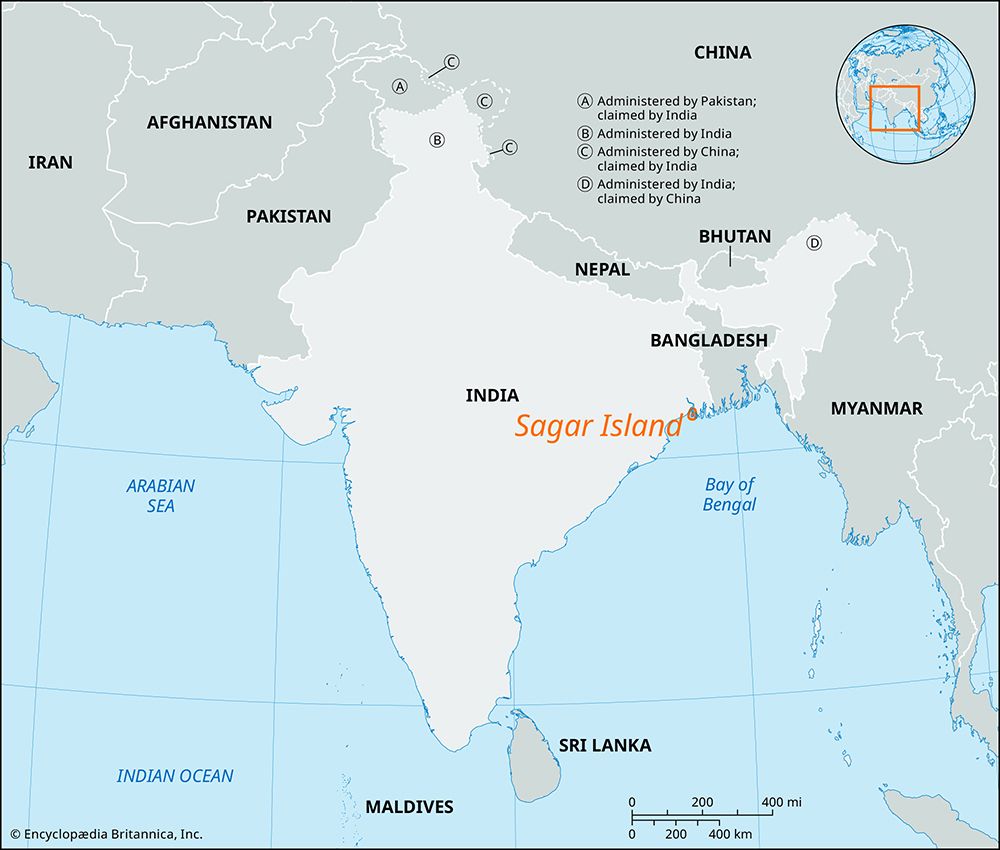
Sagar Island is the westernmost island of the Ganges-Brahmaputra delta, located in the state of West Bengal, India. It is situated at the mouth of the Hugli…
What is Sagar Island?
Sagar Island is the westernmost island of the Ganges-Brahmaputra delta, located in the state of West Bengal, India. It is situated at the mouth of the Hugli River where it meets the Bay of Bengal.1
The island is considered a sacred site and serves as a significant Hindu pilgrimage destination, hosting an annual three-day bathing festival and large fair. Due to its location, the island is frequently impacted by severe cyclones, and it features a lighthouse on its southwestern shore to assist maritime traffic navigating the Hugli River.1
Please note that this island is distinct from the city of Sagar, which is an agricultural and educational hub located in the state of Madhya Pradesh.2
What is the significance of the Ganges-Brahmaputra delta?
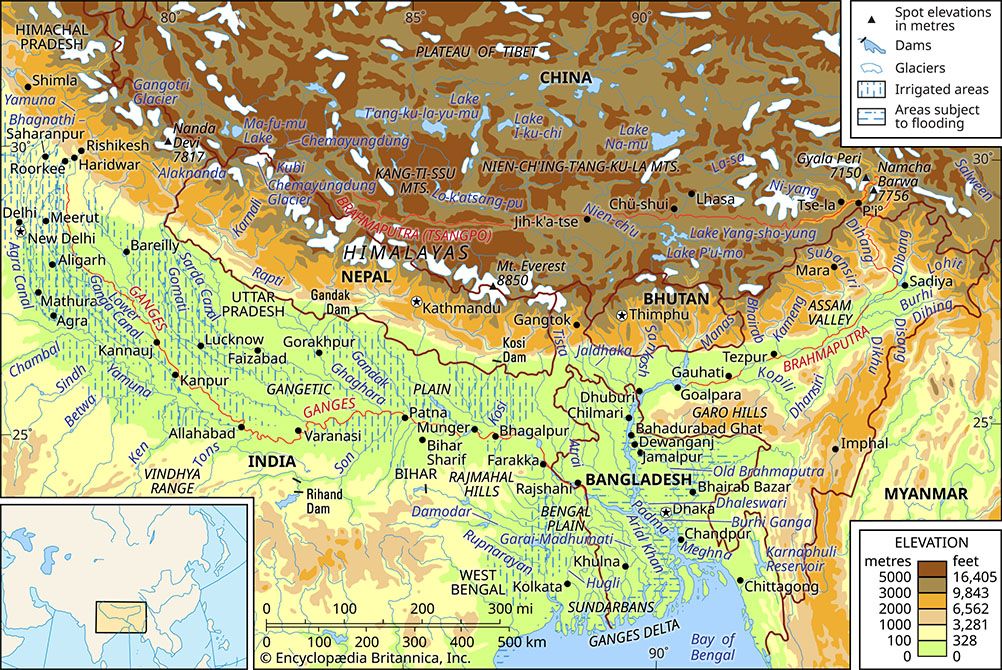
The Ganges-Brahmaputra delta is a vast, dynamic region spanning approximately 23,000 square miles (60,000 square km) across West Bengal, India, and Bangladesh. Its significance is defined by several critical factors:
- Geological Formation: As the world’s largest seaward prolongation of sediment deposits, the delta is formed by the combined load of the Ganges and Brahmaputra rivers. This system carries the highest suspended sediment load globally, continuously reshaping the landscape through the formation of new lands known as chars and islands.3
- Ecological Importance: The seaward edge of the delta hosts the Sundarbans, a massive expanse of tidal mangrove forests and swampland. This region is a UNESCO World Heritage site, recognized for its vital role in environmental conservation.3
- Economic and Agricultural Hub: The delta is a vital transportation artery, supporting the movement of agricultural products like jute and tea. Its fertile soil and water resources are essential to the livelihoods of millions in one of the most densely populated regions on Earth.45
- Hydrological Complexity: The region is defined by its active river channels and seasonal flooding. While these floods are essential for the ecosystem, they also present significant challenges, necessitating long-term flood-control planning and international cooperation, such as the agreement regarding the Farakka Barrage.4
How do cyclones affect island ecosystems in India?
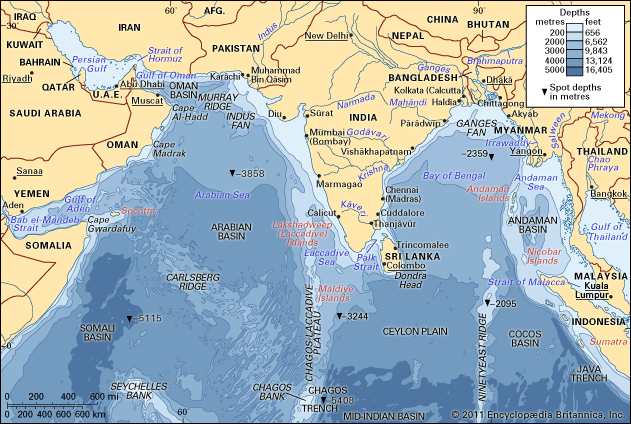
Tropical cyclones significantly impact island ecosystems in India, particularly along the coasts of Andhra Pradesh, Odisha, and West Bengal. These intense storms, which often reach speeds exceeding 100 miles (160 km) per hour, bring torrential rains and destructive storm surges that reshape coastal landscapes.8910
The ecological consequences of these cyclones include:
- Physical Destruction: Storm surges cause severe flooding in low-lying areas, leading to widespread erosion and the alteration of tidal creeks, mudflats, and estuaries.1112
- Habitat Degradation: In regions like the Sundarbans, mangroves serve as a critical natural buffer against cyclones. However, the increasing intensity of these storms—exacerbated by climate change—threatens the integrity of these forests.11
- Biodiversity Stress: The resulting saltwater intrusion and increased salinity levels endanger salt-sensitive plant species, such as Heritiera fomes, which in turn depletes forest cover and threatens the diverse wildlife that relies on these habitats, including the Bengal tiger and various aquatic species.11
While these ecosystems are naturally dynamic, the combination of rising sea levels and more frequent, intense storm activity poses a persistent threat to their long-term stability.11
What are some other major pilgrimage sites in India?
India is home to numerous significant pilgrimage sites that draw millions of devotees annually, reflecting the country’s deep spiritual heritage.
Hindu Pilgrimage Sites
Many of Hinduism’s most revered shrines are located in the Uttarakhand Himalayas. The Char Dham circuit is particularly prominent, including:
- Kedarnath: A 1,000-year-old stone temple dedicated to Shiva and one of the 12 Jyotirlingas.1415
- Gangotri: Associated with the goddess Ganga, this site features a natural rock linga14.
- Badrinath: The abode of Vishnu, featuring an idol installed by the philosopher Shankara.14
- Yamnotri: Dedicated to the river goddess Yamuna.14
Additionally, Varanasi is considered one of the holiest cities, believed to be the earthly home of Lord Shiva. Rishikesh also serves as a major spiritual hub and a gateway to the Himalayas.1617
Buddhist Pilgrimage Sites
Buddhist tradition centers on four primary sites linked to the life of the Buddha:1816
- Lumbini: The Buddha’s birthplace.18
- Bodh Gaya: The site of his enlightenment.18
- Varanasi: The location of his first sermon at Deer Park.18
- Kushinara: The site of his final nirvana.18
Sikh Pilgrimage Sites
In Uttarakhand, Hemkund Sahib is a significant Sikh shrine located at a high altitude, marking the place where Guru Gobind Singh meditated.14
Sources
- Sagar Island — Encyclopædia Britannica
- Sagar — Encyclopædia Britannica
- Ganges River - Physiography — Encyclopædia Britannica
- Ganges River - Navigation — Encyclopædia Britannica
- Ganges River - Environmental issues — Encyclopædia Britannica
- India - The Ganges-Brahmaputra river system — Encyclopædia Britannica
- Ganges delta — Encyclopædia Britannica
- India - Tropical cyclones — Encyclopædia Britannica
- climate of India - Tropical cyclones — Encyclopædia Britannica
- Bay of Bengal - Climate — Encyclopædia Britannica
- tropical cyclone - Climatic variations and tropical cyclone frequency — Encyclopædia Britannica
- Sundarbans National Park — Encyclopædia Britannica
- Bengal cyclone of 1876 — Encyclopædia Britannica
- Uttarakhand - Pilgrimage centres — Encyclopædia Britannica
- Buddhism - Buddhist pilgrimage — Encyclopædia Britannica
- Rishikesh: Top Questions — Encyclopædia Britannica
- pilgrimage - General considerations — Encyclopædia Britannica
- Kedarnath Temple — Encyclopædia Britannica
Published on · 3 min read