Saint Paul River
The Saint Paul River is a river in western Africa that rises in the mountains of southeastern Guinea, east of Macenta. Its upper reach, known as the Diani or…
What is Saint Paul River?
The Saint Paul River is a river in western Africa that rises in the mountains of southeastern Guinea, east of Macenta. Its upper reach, known as the Diani or Nianda River, serves as part of the border between Guinea and Liberia.1
The river was named by Portuguese navigators in the 15th century after St. Paul’s feast day. It flows southwesterly for approximately 280 miles (450 km), entering northern Liberia and eventually discharging into the Atlantic Ocean just north of Monrovia. The river and its primary tributaries—the Via, Wuni, and Tuma—drain a basin covering 8,460 square miles (21,900 square km).1
While the river is navigable for 18 miles upstream to the falls at White Plains, navigation is generally limited by rapids and waterfalls, a common feature of rivers in this region. The river is also significant for infrastructure, as it hosts the Mount Coffee Hydroelectric Plant and its two arms enclose Bushrod Island, where the port of Monrovia is located.12
How does the Mount Coffee Hydroelectric Plant impact Liberia?
The Mount Coffee hydroelectric station, located on the St. Paul River, has historically served as a vital source of energy for Liberia, particularly for the capital city of Monrovia.3
The facility’s impact is defined by its role in the nation’s power infrastructure:
- Energy Supply: Before its destruction during the early stages of the civil war, the plant was responsible for providing a significant portion of Monrovia’s electricity.3
- Postwar Reconstruction: Following the widespread damage to Liberia’s hydroelectric power capacity during the conflict, the reconstruction of the Mount Coffee facility became a critical priority for the country’s recovery and the broader goal of rural electrification.3
The restoration of such infrastructure is essential for supporting economic development and improving access to basic services in the postwar period.3
What are the other major rivers in Liberia?
Liberia features several major rivers that generally flow parallel to one another in a southwesterly direction toward the Atlantic Ocean. Because these rivers frequently contain waterfalls, rapids, and sandbanks in their upstream sections, inland navigation is often limited to short distances.2
Key major rivers in Liberia include:
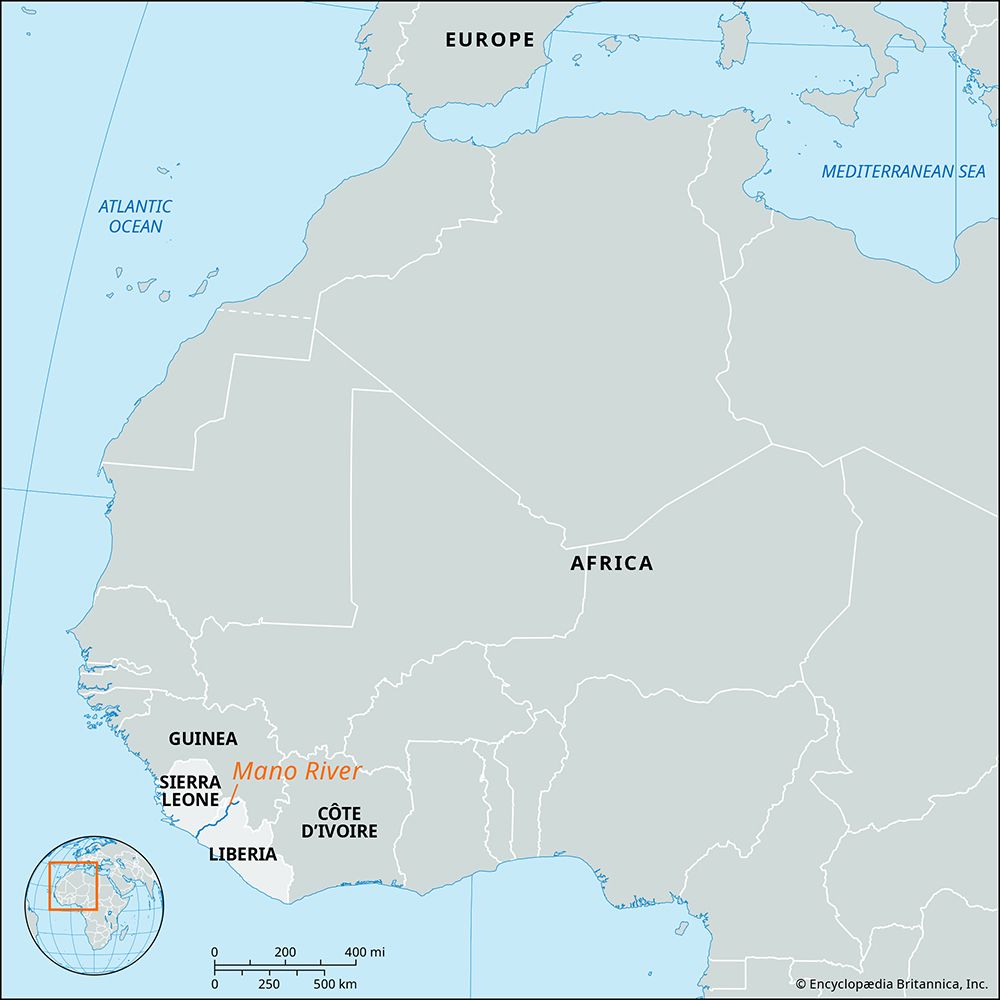
- Mano River: Located in the northwest, it forms a significant portion of the border between Liberia and Sierra Leone.24
- Cavalla River: Situated in the east and southeast, this river forms the majority of the border between Liberia and Côte d’Ivoire.25
- Lofa River: A major river located in the northern part of the country.2
- St. Paul River: A prominent river that flows toward the coast near Monrovia.2
- St. John River: Another major river that parallels the others while flowing toward the coast.2
- Cestos River: A major river that also follows the general southwesterly flow pattern.2
- Farmington River: Notable for its role as a source of hydroelectric power2.
Why is the port of Monrovia important to the region?
The port of Monrovia is a critical hub for Liberia and the broader region due to its unique status as the only free port in West Africa.9
Its importance is defined by several key factors:
- Commercial Hub: As the nation’s principal commercial port, it serves as the primary center for transportation and trade, facilitating the movement of goods both domestically and internationally.109
- Industrial Support: The port area supports various essential enterprises, including facilities for transshipping liquid latex and handling petroleum, as well as nearby manufacturing plants for cement, paint, and pharmaceuticals.10119
- Infrastructure Connectivity: It is integrated into the national economy through railroads that connect mining interests to the coast, ensuring that resources can be efficiently exported.11
By serving as the primary gateway for commerce, the port remains central to Liberia’s economic activity and regional trade connectivity.109
Sources
- Saint Paul River — Encyclopædia Britannica
- Liberia - Drainage — Encyclopædia Britannica
- Liberia - Resources and power — Encyclopædia Britannica
- Cavalla River — Encyclopædia Britannica
- Mano River — Encyclopædia Britannica
- Liberia: Top Questions — Encyclopædia Britannica
- Sierra Leone - Agriculture, forestry, and fishing — Encyclopædia Britannica
- Côte d’Ivoire - Drainage — Encyclopædia Britannica
- Liberia - Transportation — Encyclopædia Britannica
- Liberia - Manufacturing — Encyclopædia Britannica
- Monrovia — Encyclopædia Britannica
Published on · 3 min read