Salton Sea
The Salton Sea is a highly saline lake with a salt concentration of approximately 45 parts per thousand (ppt). This level significantly exceeds the average…
How does the salinity level of the Salton Sea compare to other lakes?
The Salton Sea is a highly saline lake with a salt concentration of approximately 45 parts per thousand (ppt). This level significantly exceeds the average salinity of ocean water, which typically averages about 35 parts per thousand (or 35 psu).12
In contrast to freshwater systems, which are defined by salt concentrations of less than 1,000 ppm (1 psu), the Salton Sea’s elevated salinity is a result of its location in a hot, arid climate where high evaporation rates lead to the accumulation of salts. While the provided information does not offer a direct comparison to every other lake, it notes that the Salton Sea is far saltier than standard seawater and far exceeds the thresholds used to classify freshwater bodies. Efforts are currently underway to manage the lake’s salt levels and mitigate the presence of hazardous materials.12
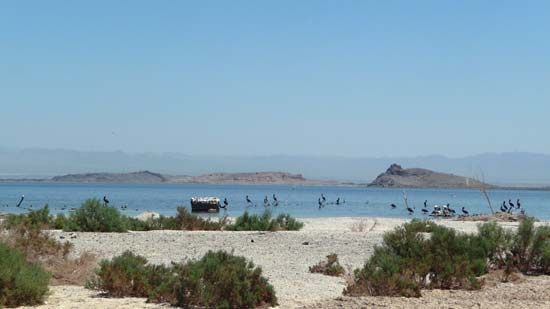
What is the historical significance of the Salton Sea in California’s development?
The Salton Sea holds significant historical importance as an accidental byproduct of early 20th-century water management in California. Originally a dry, salt-covered depression known as the Salton Sink, the area was transformed in 1905–06 when a failure in Colorado River diversion controls caused floodwaters to rush into the basin.13
This event was a major crisis for the region, as the flooding threatened to inundate the agriculturally vital Imperial Valley and destroy critical railroad infrastructure. The subsequent construction of protective levees in 1907 halted the flooding, but the resulting lake remained.13
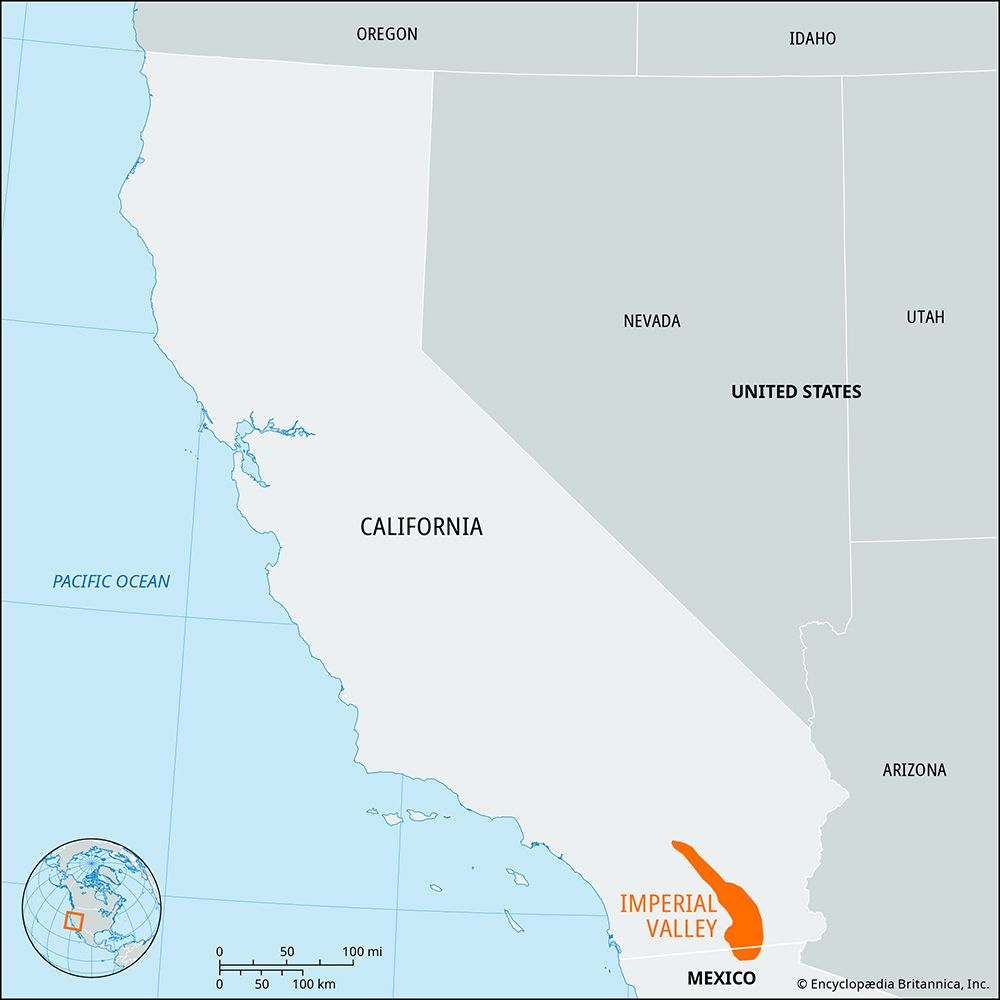
Historically, the sea transitioned from a disaster to a managed feature of the landscape. Today, it serves as a vital receiving basin for agricultural runoff from the Imperial and Coachella valleys, which are sustained by water diverted via the All-American Canal. While it now supports a state recreation area and wildlife refuge, it remains a focal point for environmental management due to its high salinity and the accumulation of pollutants.134
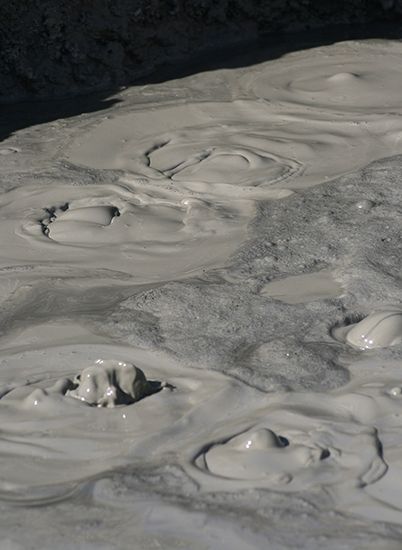
What is the Salton Sea and how was it formed?
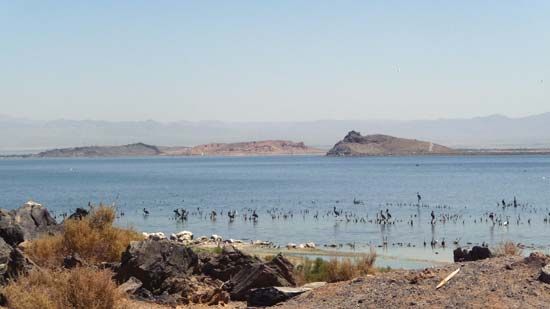
The Salton Sea is a saline lake located in the Colorado Desert of southern California. It occupies a structural depression known as the Salton Trough, which sits approximately 227 feet below sea level.13
The lake was formed accidentally between 1905 and 1906 when diversion controls on the Colorado River failed near the California-Mexico border. This breach allowed floodwaters to rush northward into the Salton Sink, a dry, salt-covered basin that had been a remnant of the prehistoric Lake Cahuilla. The flooding was halted in 1907 following the construction of protective levees.13
Today, the lake is maintained by agricultural drainage water from the Imperial and Coachella valleys. Because it is a closed basin in an arid climate, high evaporation rates have led to extreme salinity levels, which currently far exceed those of the ocean.13
What recreational activities were once popular at the Salton Sea, and why have they changed?
During the mid-20th century, the Salton Sea was a popular destination for various recreational activities, including swimming, boating, and camping. These activities flourished as the lake became a notable regional attraction.
However, the environment of the lake has changed significantly over time. Because the Salton Sea is a closed basin in an arid climate, high rates of evaporation have caused its salinity to rise to approximately 45 parts per thousand, which far exceeds that of seawater. This increase in salt concentration, combined with the accumulation of biologically dangerous materials such as selenium and cyanobacteria, has altered the conditions for recreation. While the area remains a state recreation area that still supports hiking, bird-watching, and camping, the degradation of water quality has made activities like swimming and boating less viable than they were in the past. Efforts are currently underway to manage these salt and pollutant levels to restore the lake’s health.1
Sources
- Salton Sea — Encyclopædia Britannica
- salinity — Encyclopædia Britannica
- Colorado River - Physiography — Encyclopædia Britannica
- Imperial Valley — Encyclopædia Britannica
Published on · 3 min read